OECS Pushes Community-Based Tourism as New Growth Engine for Caribbean Communities
Saint Lucia Workshop Strengthens Regional Capacity to Turn Culture, Heritage and Local Enterprise into Sustainable Tourism Opportunities
CASTRIES, Saint Lucia, July 2, 2026 — The Organisation of Eastern Caribbean States is intensifying its push to place communities at the centre of the region’s tourism future, following a high-impact Community-Based Tourism Capacity Building Workshop held in Saint Lucia from June 9 to 11.
The workshop, titled “From Assessment to Action: CBT Policy Development and National Action Planning,” brought together tourism officials from OECS Member States for three days of policy discussions, practical training and field-based learning aimed at strengthening national community tourism frameworks.
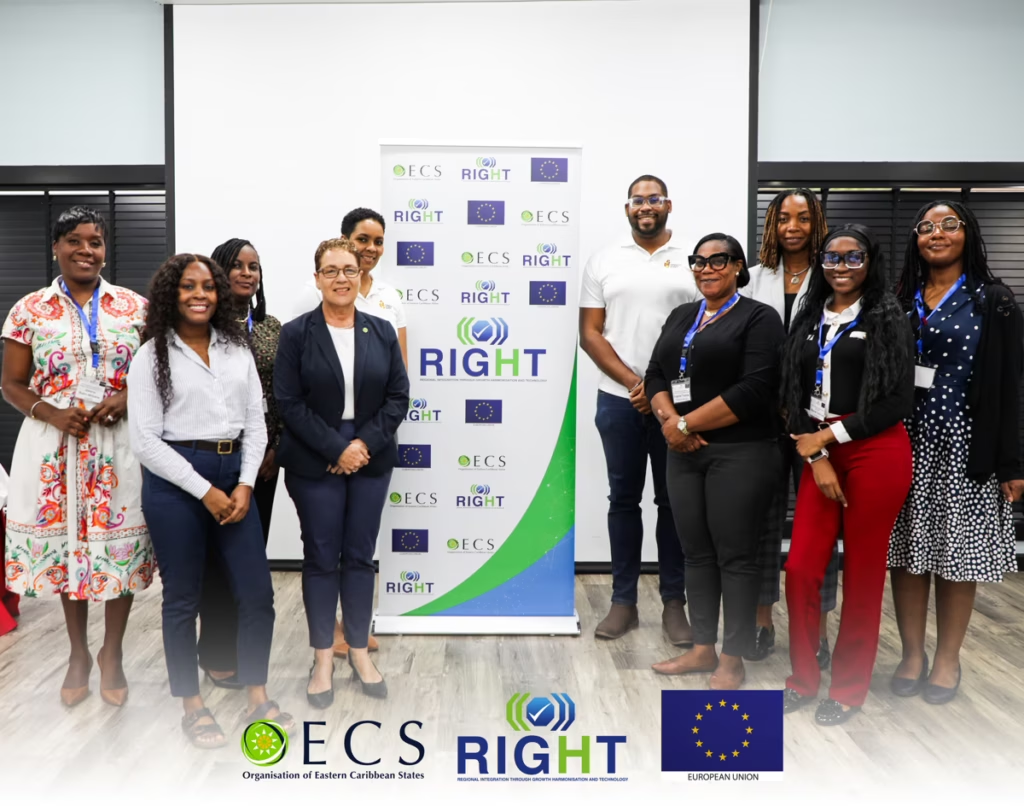
Supported by the 11th European Development Fund through the Regional Integration Growth Harmonisation and Technology Programme, the initiative focused on helping Member States develop stronger policies and action plans that allow local communities to become not only participants in tourism, but primary beneficiaries of the industry’s growth.
Community-based tourism is increasingly being promoted across the Caribbean as a people-centred model that supports inclusive economic development, equitable income distribution and stronger linkages between tourism, agriculture, culture, heritage, entrepreneurship and the creative economy.
Opening the workshop at the Coco Palm Resort, OECS Director General H.E. Dr. Didacus Jules delivered a clear challenge to the region, urging countries to recognise community-based tourism as a serious strategic opportunity rather than a small add-on to the wider tourism industry.
“Community-based tourism is not a charming sideline to the real industry,” Dr. Jules said. “Done well, it is the most strategic answer we have to ensuring that tourism benefits remain within our communities and contribute to more resilient local economies.”
Saint Lucia’s Minister in the Ministry of Tourism, Hon. John Paul Estephane, echoed that message, stressing that the future strength of Caribbean tourism depends heavily on the active involvement of local people, communities and entrepreneurs.
He pointed to Saint Lucia’s own progress, noting that the island has already approved 35 community tourism projects valued at more than $5 million, a development he described as a model that can help guide similar efforts across the OECS.
“Tourism is at its strongest when communities are active participants in its development and beneficiaries of its success,” Minister Estephane stated.
He added that local communities, cultural traditions, cuisine, artisans, farmers and fisherfolk all form part of the authentic visitor experiences increasingly sought by modern travellers.
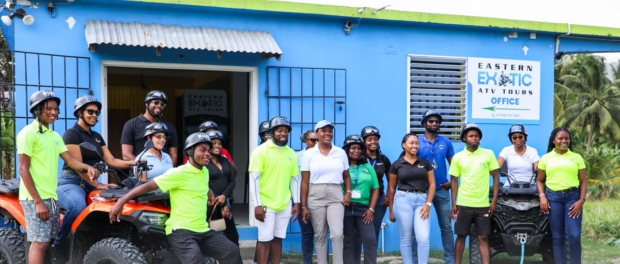
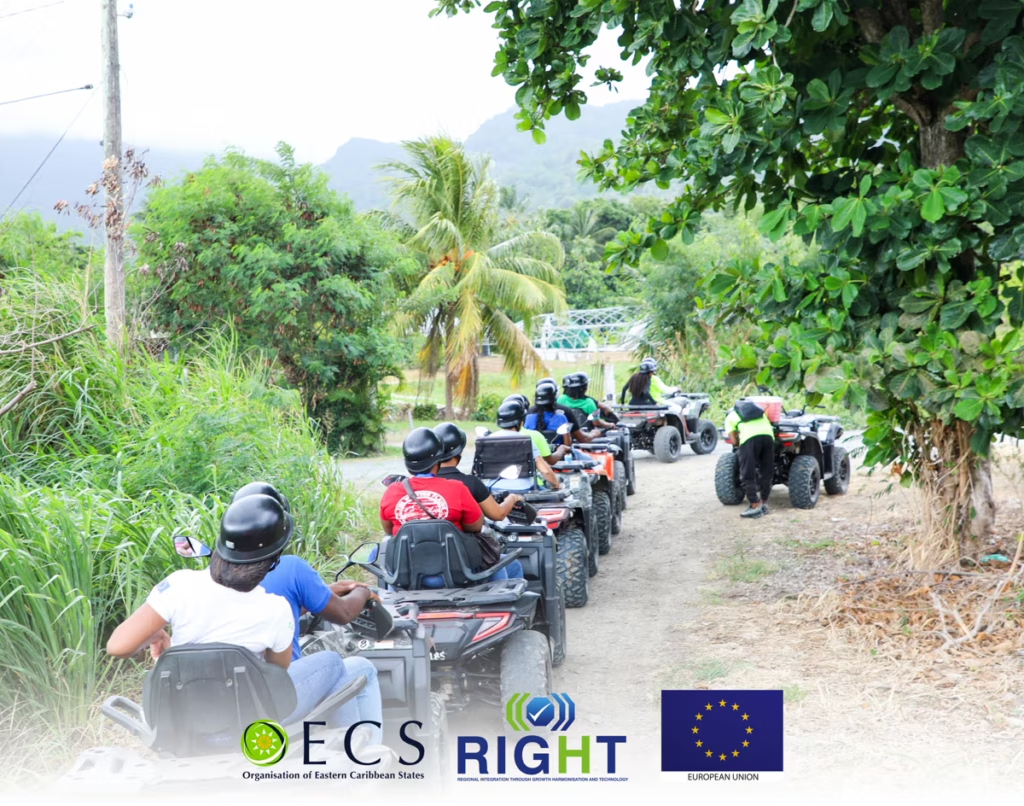
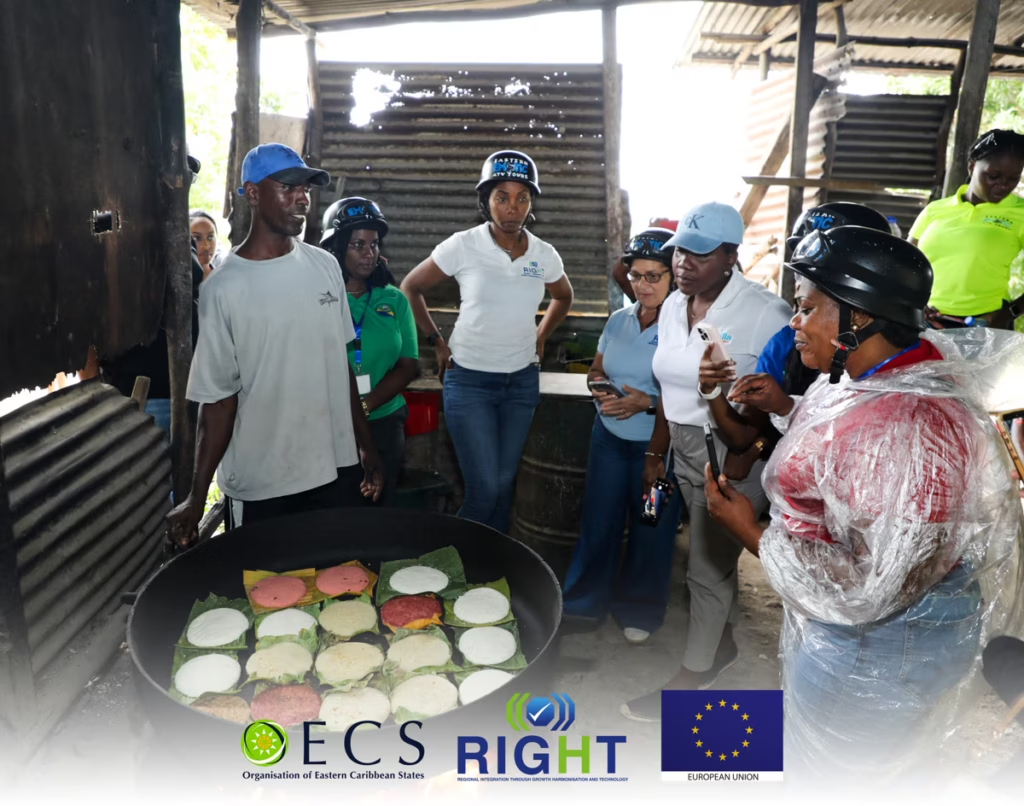
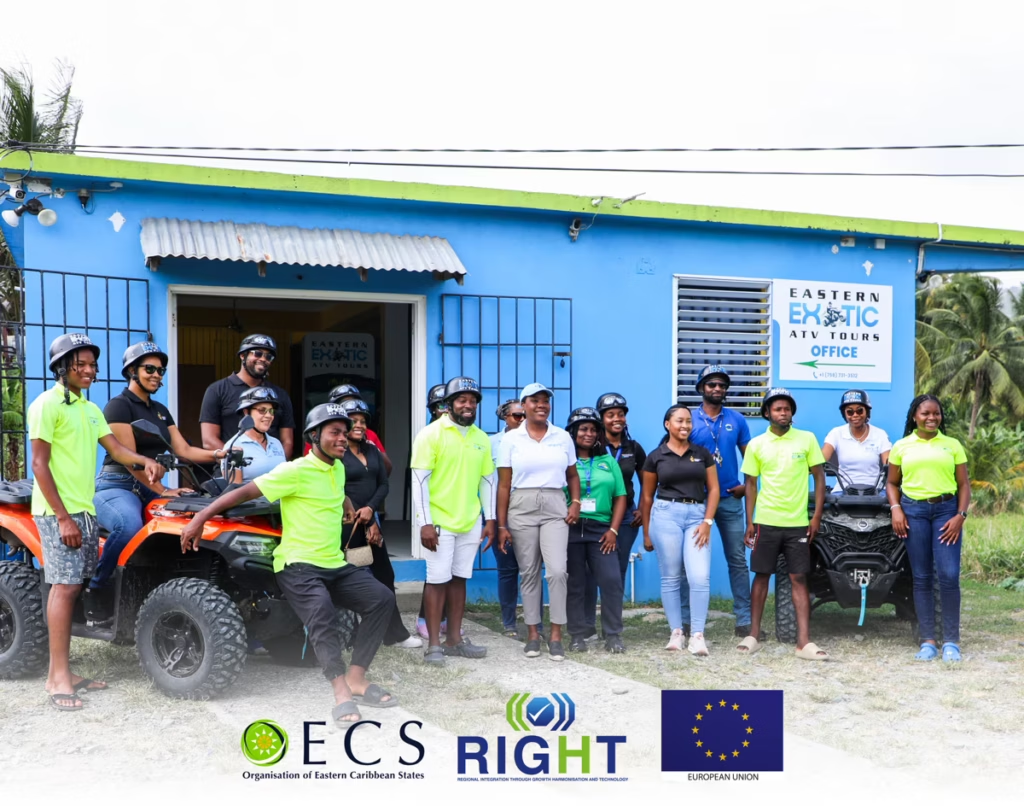
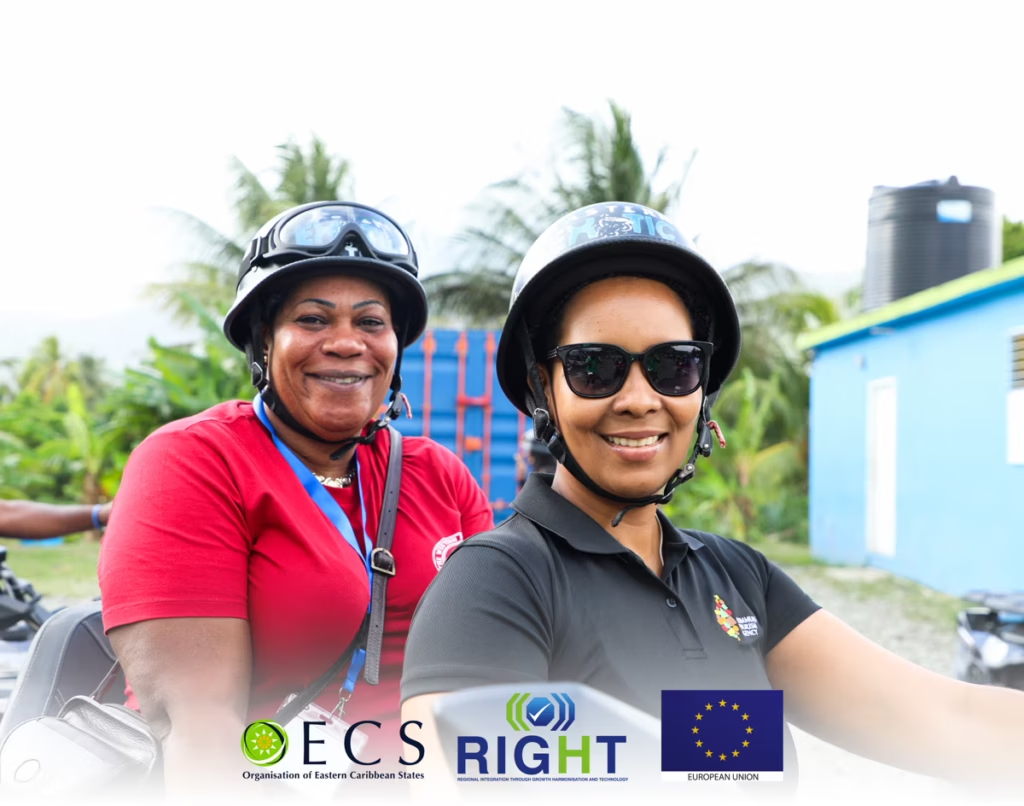
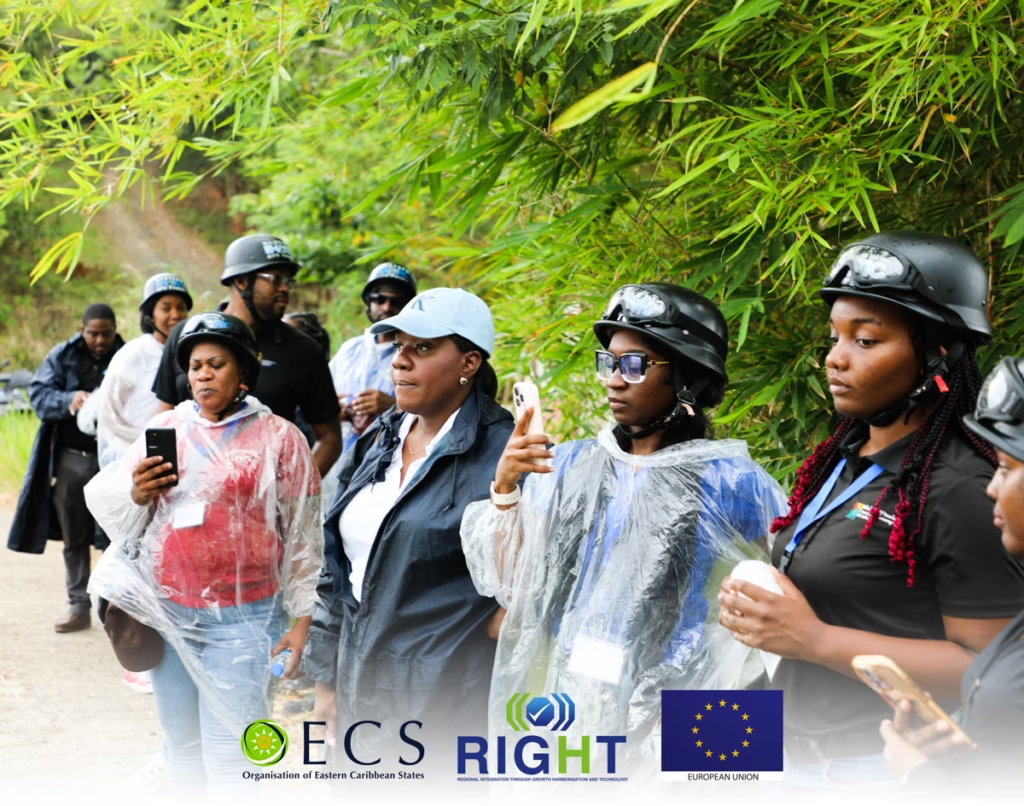
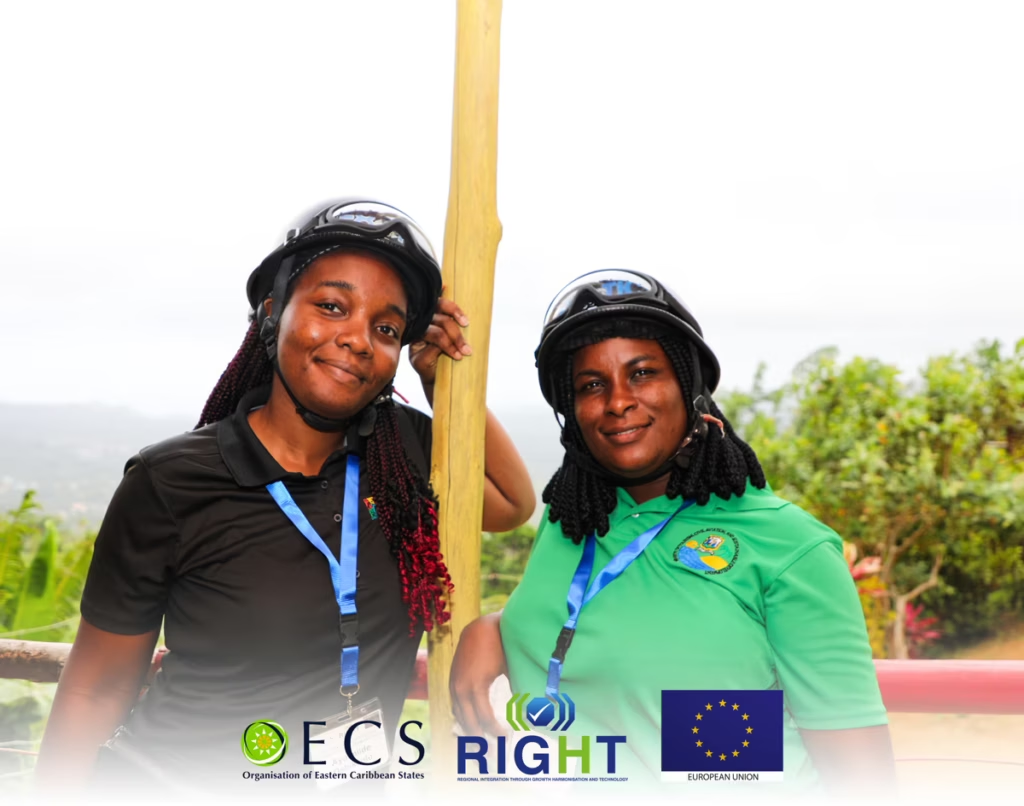
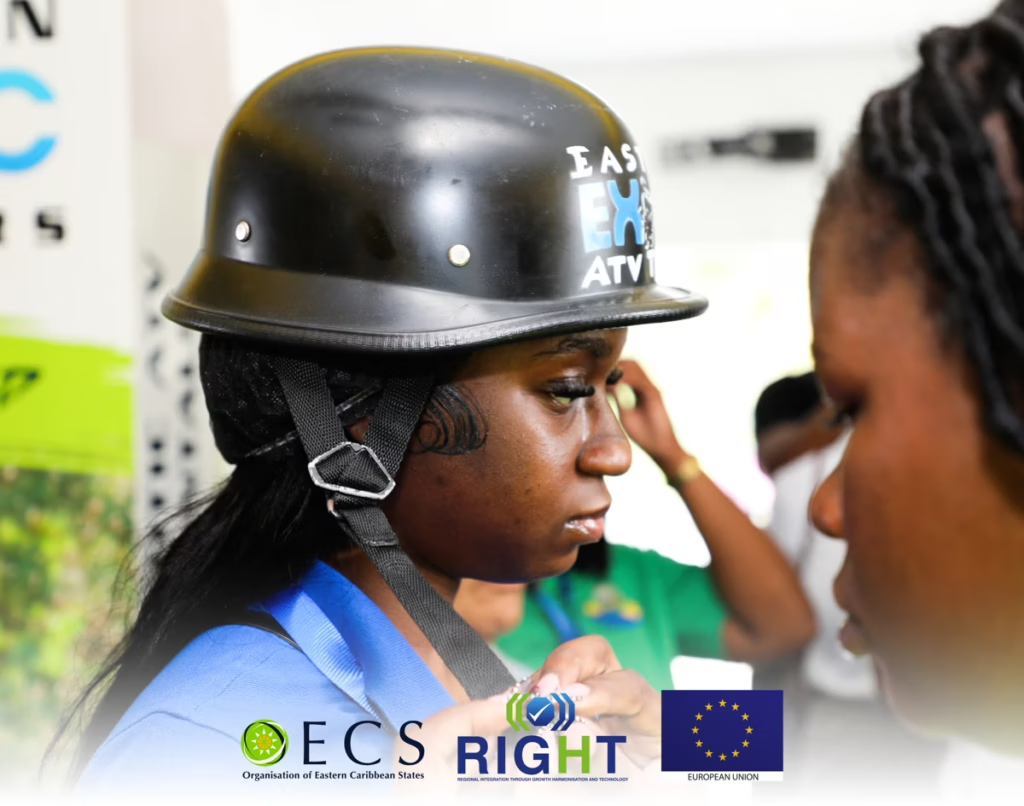
A major feature of the workshop was a field visit to Eastern Exotic ATV Tours in Dennery, organised by the Saint Lucia Community Tourism Agency. The visit gave participants a firsthand look at community tourism in action, moving the training beyond classroom theory into a practical demonstration of how culture and enterprise can be packaged into meaningful visitor experiences.
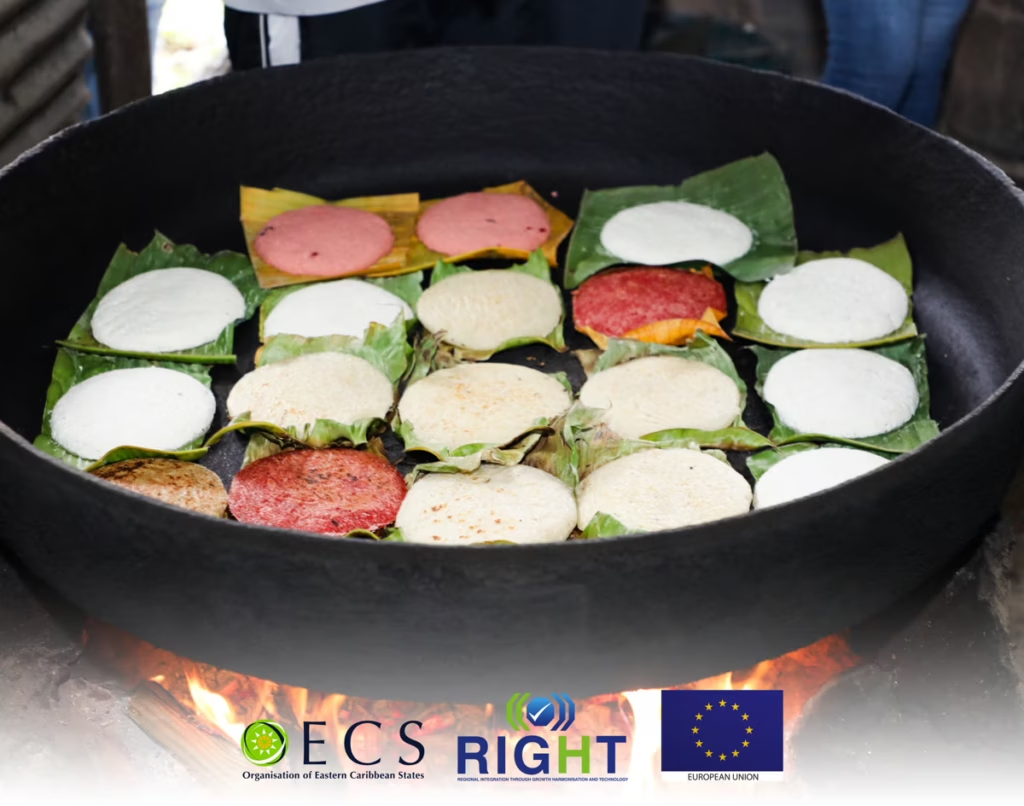
One of the highlights was a traditional cassava bread-making demonstration, which showcased how long-standing Caribbean cultural practices can be transformed into engaging tourism products while supporting local livelihoods.
Participants described the experience as inspiring and educational. Ayoimiide Oshikanlu, Community Tourism Project Officer from Grenada, said it was rewarding to learn about Saint Lucia’s history and culture and to see how these elements can shape authentic visitor experiences.
Joleyne Robin-Williams, Tourism Planner within the Government of Anguilla, praised the tour and described the cassava bread-making demonstration as captivating, noting that the finished product was a true delicacy.
The workshop directly supports the implementation of the OECS Sustainable Tourism Policy 2025–2035, which identifies community-based tourism as a key strategy for sustainable resource management, deeper local participation and stronger connections between tourism and other sectors.
By the end of the workshop, participants from Anguilla, Antigua and Barbuda, Dominica, Grenada, Montserrat, Saint Lucia, and Saint Vincent and the Grenadines committed to advancing national action plans focused on strengthening community tourism, improving local capacity and expanding access to financing for community entrepreneurs.
As the Caribbean continues to face global economic volatility, climate pressures and increasing competition in the international tourism market, the OECS is positioning community-based tourism as a practical pathway toward resilience, inclusion and sustainable growth.
By placing communities at the heart of the tourism value chain, OECS Member States are working to ensure that the stories, skills, traditions and enterprises of Caribbean people become central to the region’s tourism future.
















Leave a comment
You must be logged in to post a comment.