CITIZENS PROTEST MARCH MET OBJECTIVES AND A HUGE SUCCESS, SAY ORGANISERS DJ MARRYSHOW AND DR. GARFIELD ALEXANDER

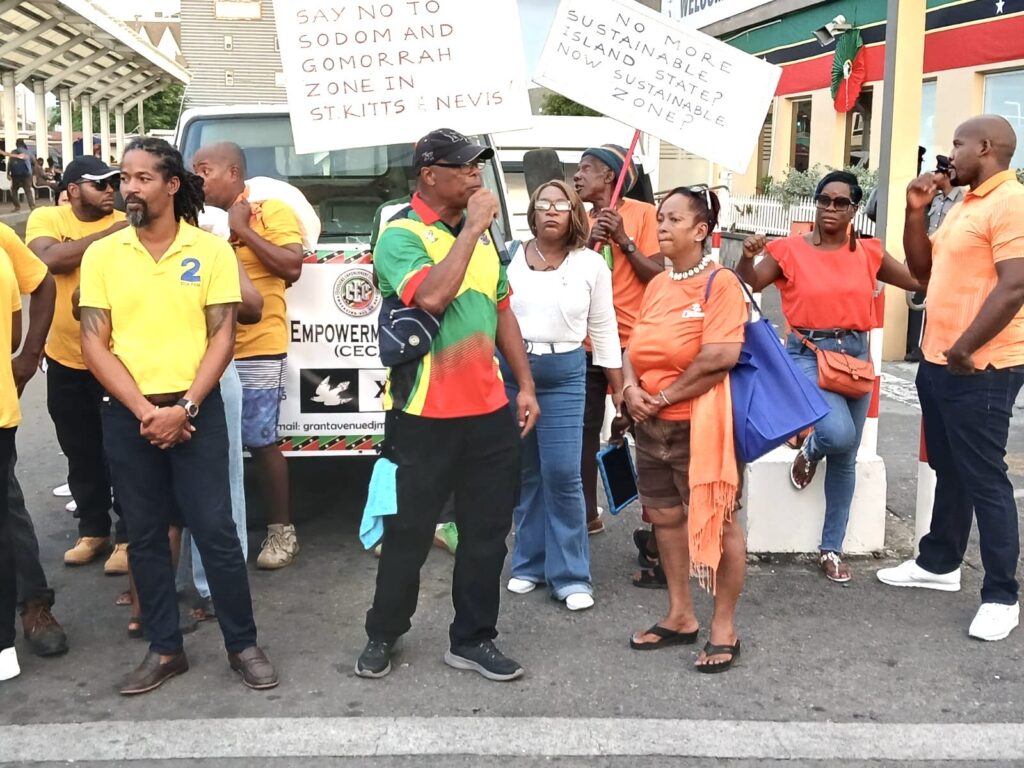
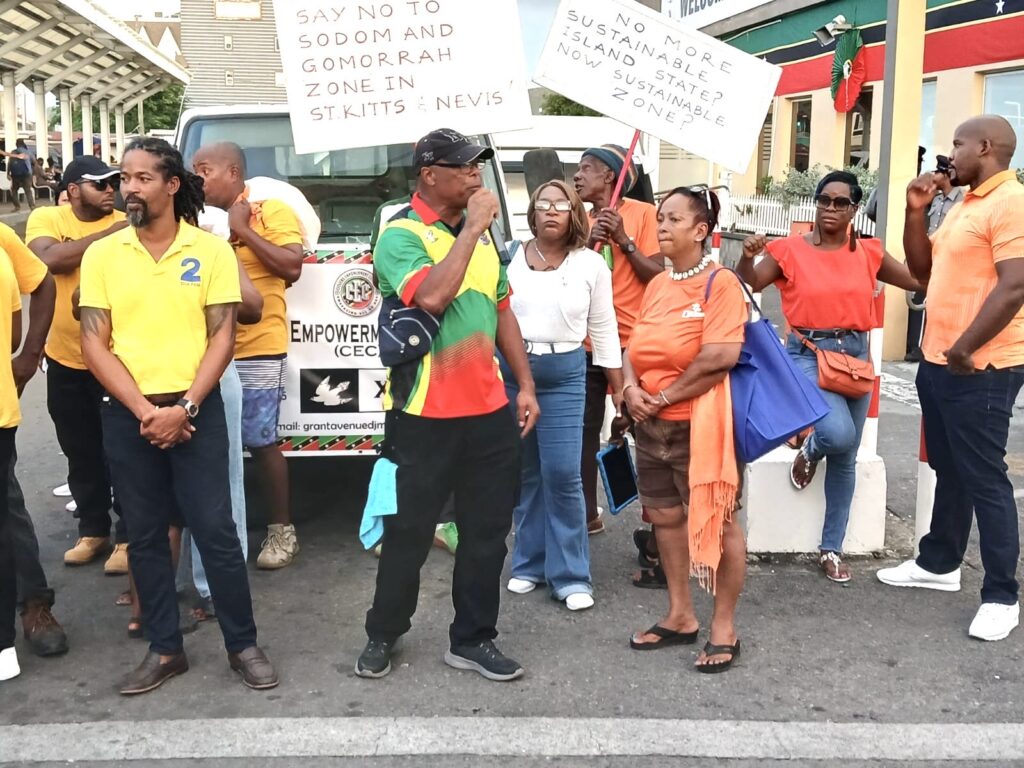
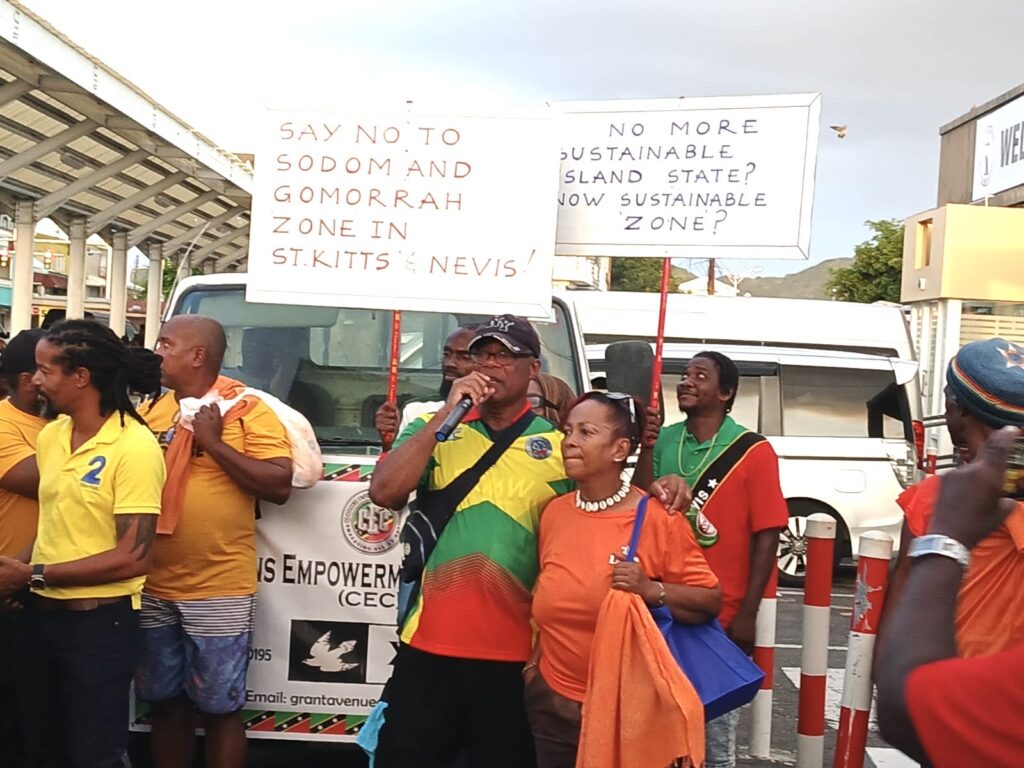
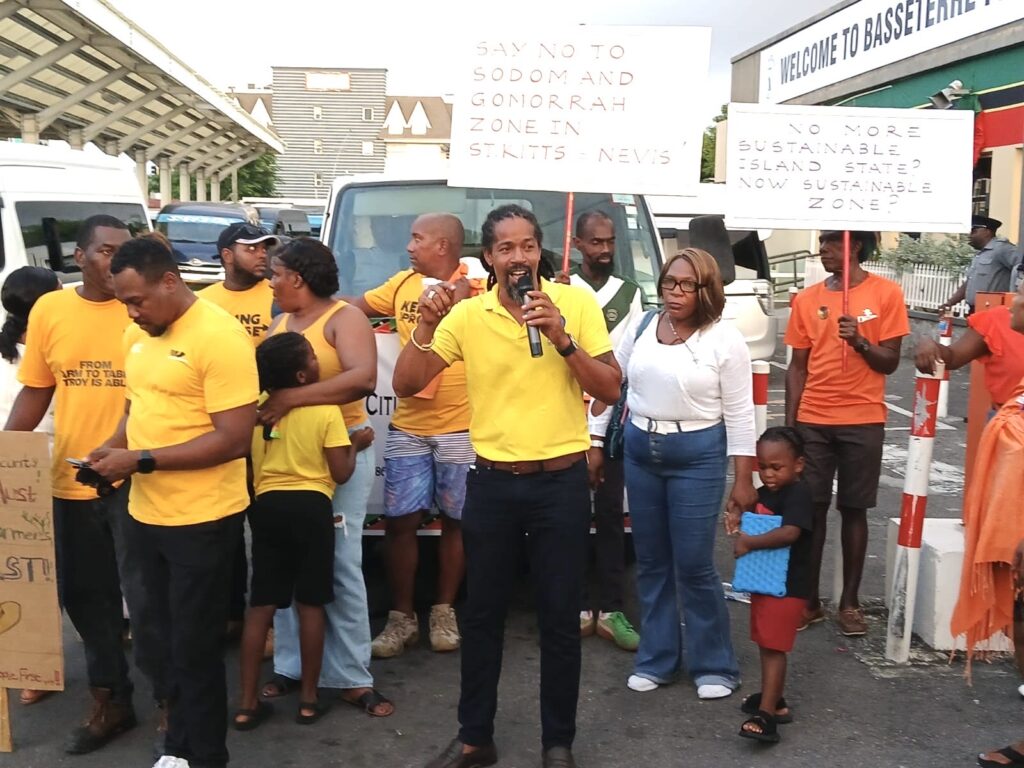
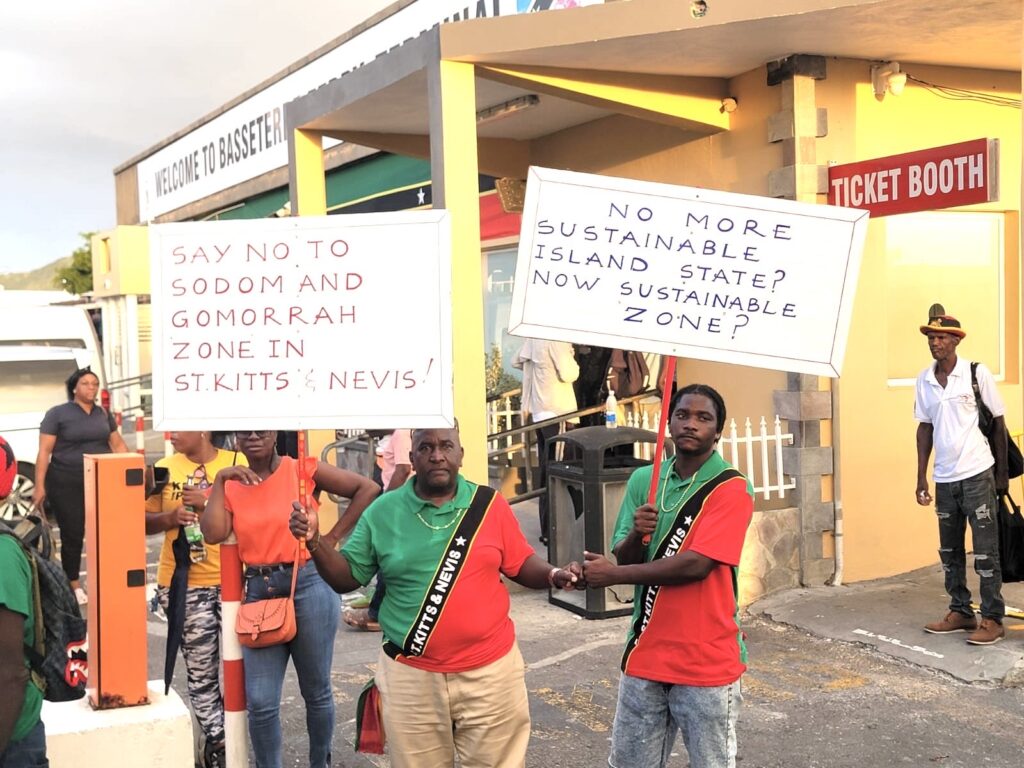
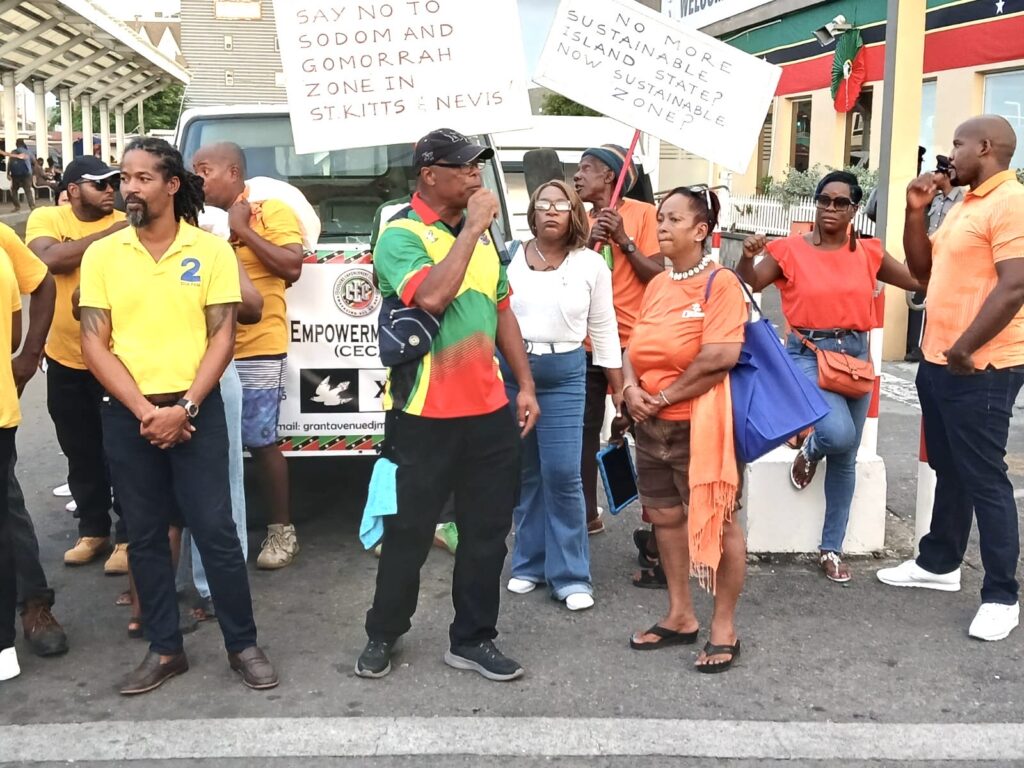
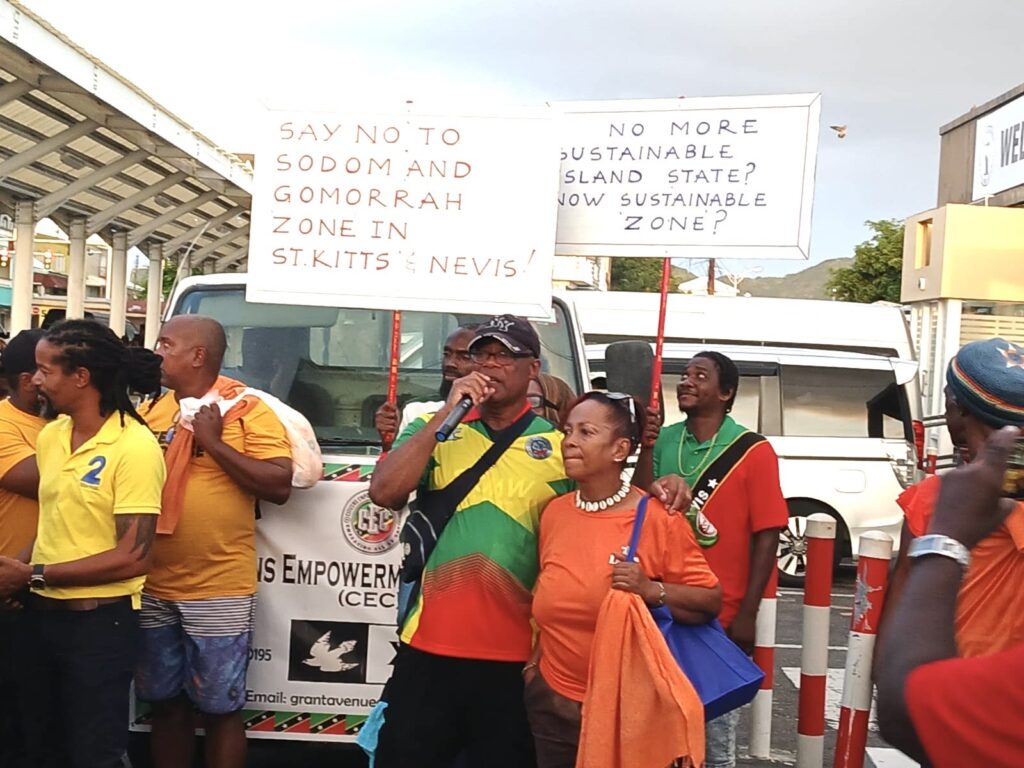
Basseterre, St. Kitts — September 28, 2025 — The dust has settled on Friday’s September 26 Citizens’ Awareness March, but the debate rages on. Organisers DJ Marryshow and Dr. Garfield Alexander are declaring the event an “unqualified success,” dismissing government attempts to brand it a “failed march.”




A March That Sparked a Movement
In a lengthy social media post, DJ Marryshow countered the government’s narrative, stressing that the protest achieved its core objective: forcing uncomfortable national conversations into the public square. “If the march failed,” he argued, “there would not be these conversations about crowd size hours and days later. The fact that operatives of the sitting government continue to spin shows just how successful it was.”
Despite alleged threats of job loss, intimidation, and even the specter of arrests, citizens braved the streets, rallying against what they describe as corruption, victimization, lack of transparency, and a government derailed from its promises.
A History of Resistance
Marryshow drew parallels between Friday’s protest and earlier demonstrations in 2022 when citizens were tear-gassed outside a Basseterre churchyard, triggering international condemnation. Then, as now, the focus of detractors was not on the issues but on the size of the crowd.
The DJ reminded the public that even Prime Minister Dr. Terrance Drew, then in opposition, had publicly defended his right to protest: “LET DJ MARRYSHOW MARCH, IT IS HIS RIGHT.” Fast forward to 2025, critics argue, the Drew administration is now deploying the same heavy-handed tactics it once condemned.
The Litany of Grievances
Protestors voiced their outrage over a laundry list of issues:
- The controversial Special Sustainability Zones (SSZ) project and alleged circumvention of Nevis’ physical planning safeguards.
- Opaque deals involving Christophe Harbour, the Prison Project, Development Bank, and the Electoral Office.
- A healthcare crisis, marked by shortages at the JNF dialysis unit and declining standards across the sector.
- Education and infrastructure decay, with collapsing systems and unmet promises.
- Economic hardship, where local businesses and bar operators face strangulation while foreign investors are given preferential treatment.
- A stillborn housing revolution, with only two homes delivered out of the promised 2,400.
“We are doing worse now than under the previous administration,” Marryshow charged, accusing the government of prioritizing fetes, festivals, and globetrotting while citizens “struggle for survival.”
From Protest to Pressure
The organisers insist the protest is just the beginning. With the next Awareness March already set for October 31, 2025, they warn the government to expect sustained resistance unless transparency, fairness, and accountability are restored.
Dr. Garfield Alexander praised citizens for their courage: “This march proved that despite intimidation, Nevisians and Kittitians alike are willing to stand up for democracy, sovereignty, and survival.”
The Verdict
Whether measured by crowd size, national dialogue, or the sting of government counter-narratives, the September 26 protest has already shifted the political temperature. Far from fizzling, it may well have lit the fuse for a broader, more determined people’s movement.
The message is clear: Citizens are watching, citizens are speaking, and citizens are prepared to march again.

















Leave a comment
You must be logged in to post a comment.