FOLLOWING THE SEA: SMALL-SCALE FISHERS OF ST. KITTS & NEVIS SPEAK OUT IN POWERFUL NEW FIELD REPORT BY TAIWANESE INTERN ETTA LEE
SKN TIMES FEATURED ARTICLE
BASSETERRE, ST. KITTS — AUGUST 6, 2025
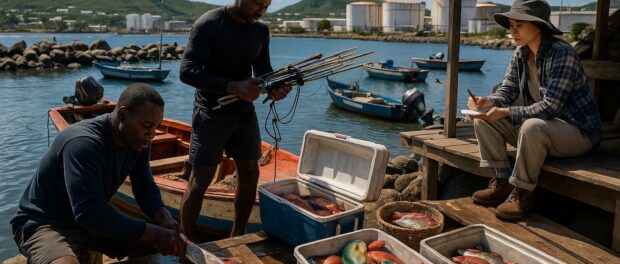
A breathtaking and deeply human field report has emerged from the Department of Marine Resources, offering a raw and revealing portrait of a quiet yet resilient community often overlooked in policy circles—the small-scale fishers of St. Kitts and Nevis.
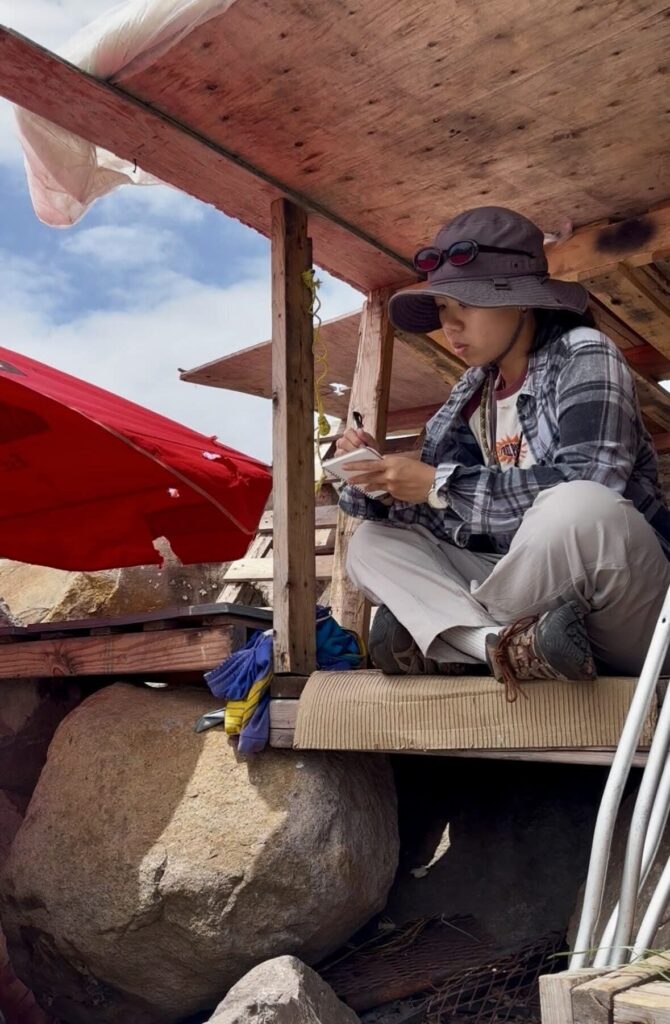
Titled “Following the Sea: Daily Life and Knowledge of St. Kitts and Nevis’ Small-Scale Fishers,” the article, penned by Taiwanese intern Etta Lee, pulls no punches. It is equal parts poetic homage and piercing social commentary—a story of independence, resilience, cultural identity, environmental change, and survival in the face of adversity.

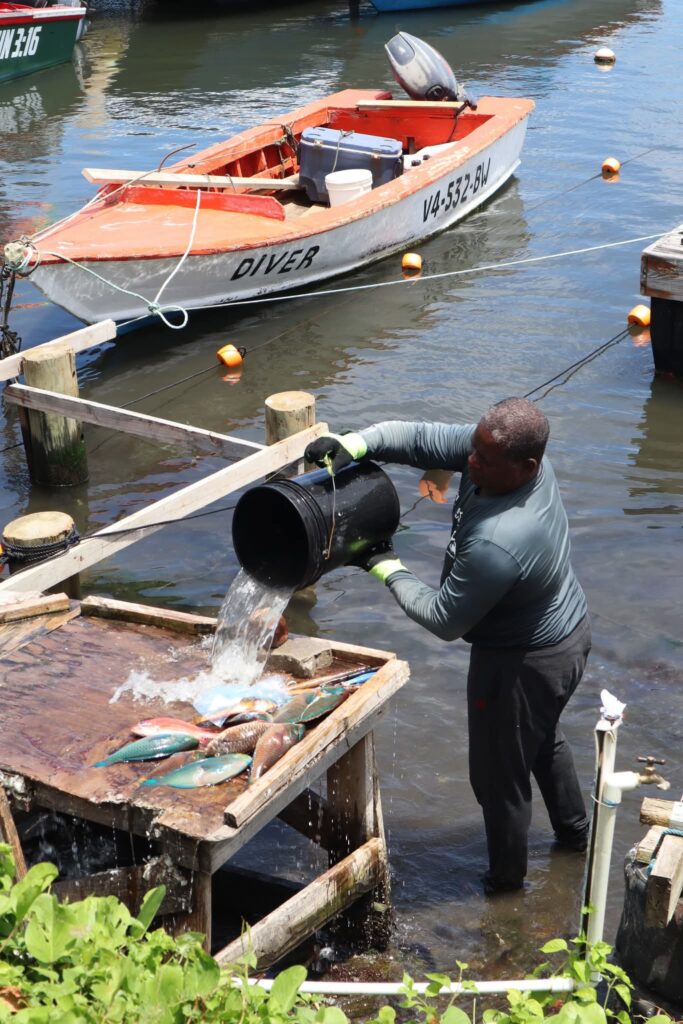
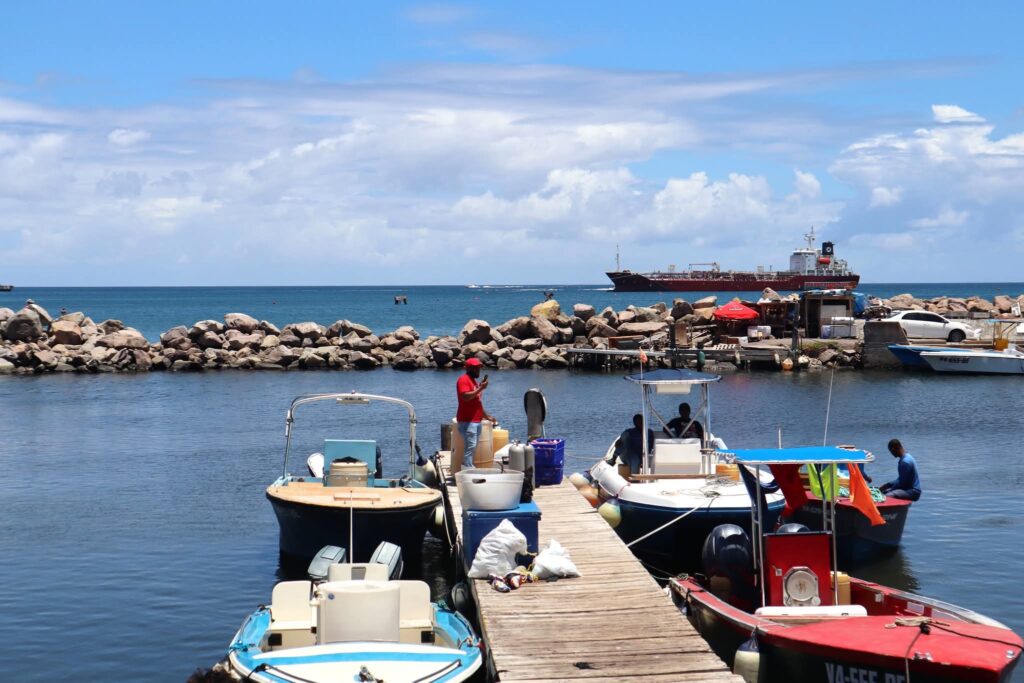
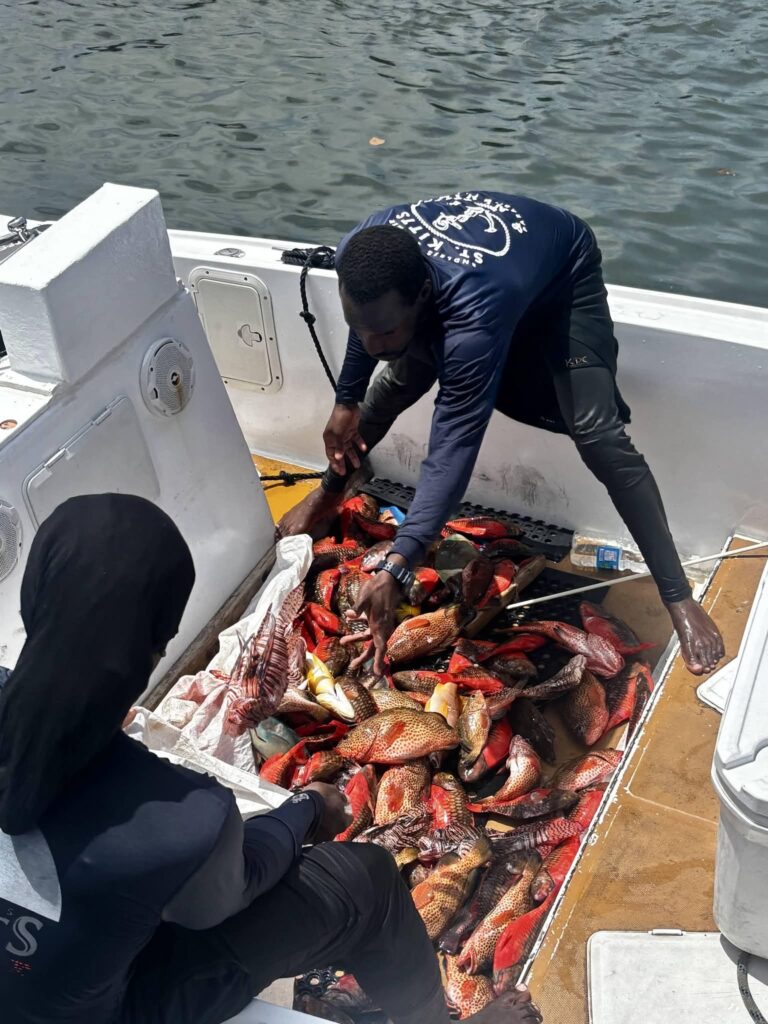
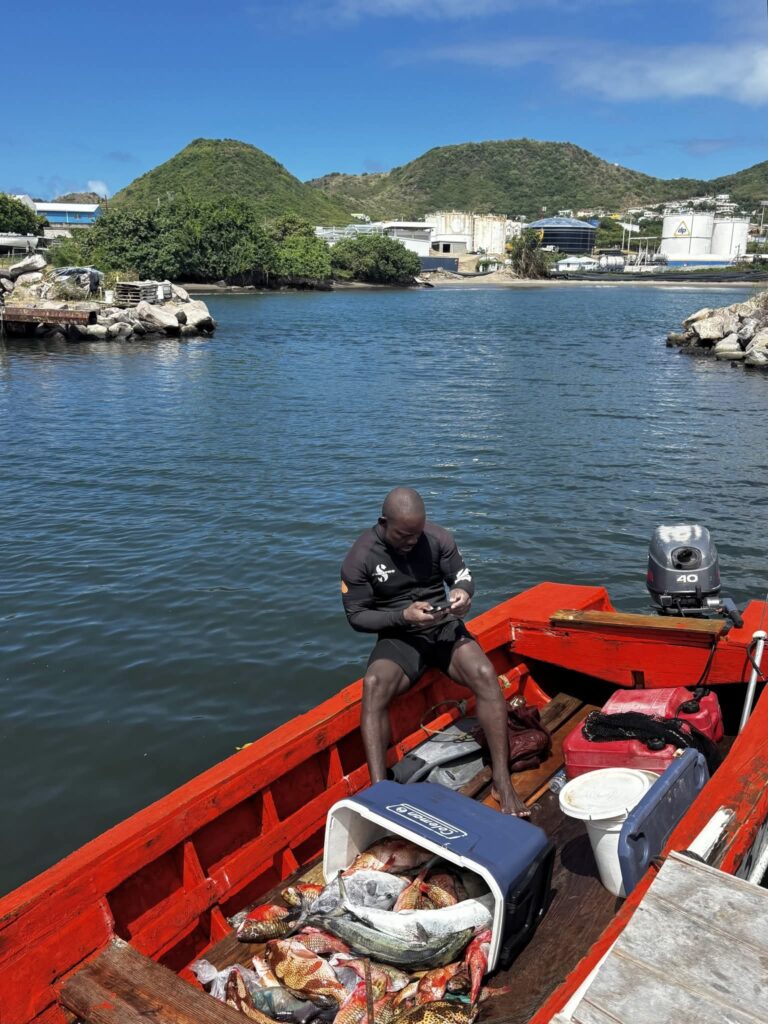
AN OCEAN THAT GIVES AND TAKES
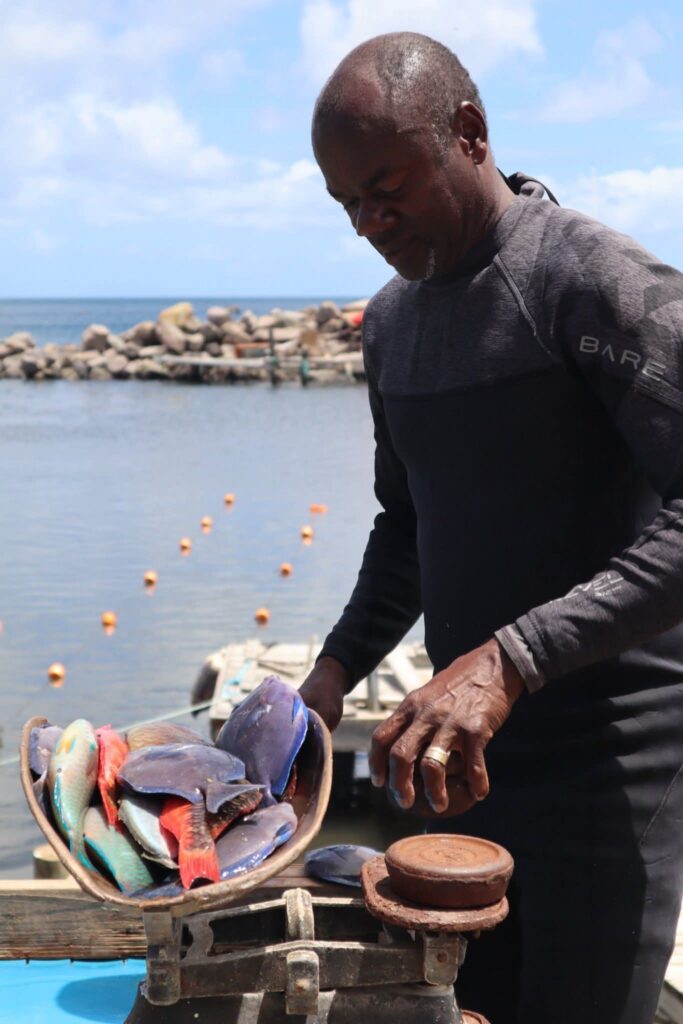
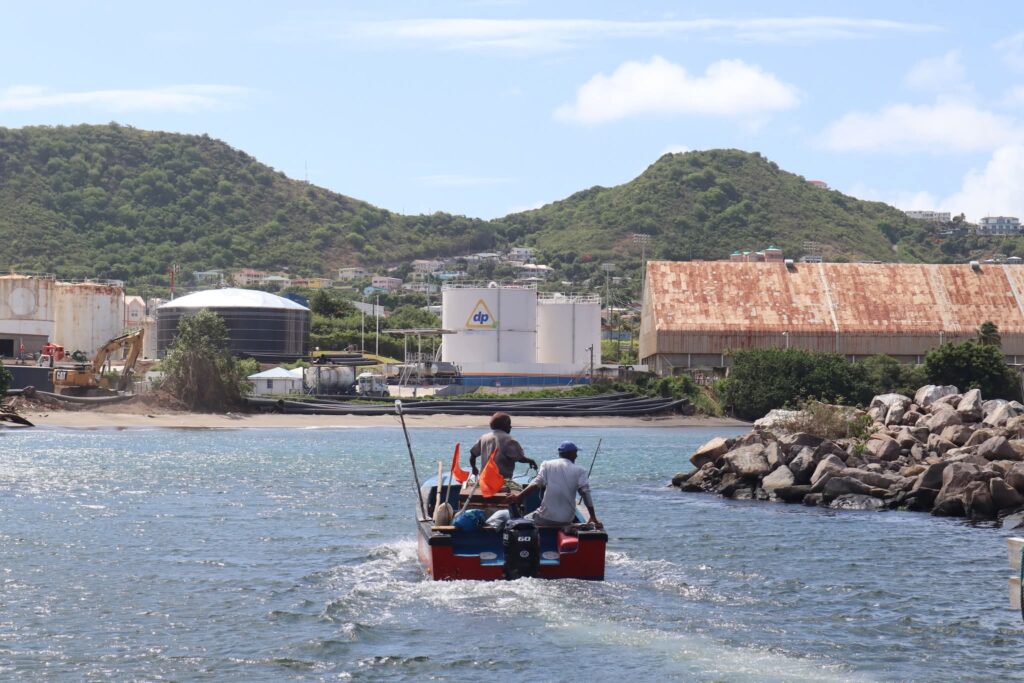
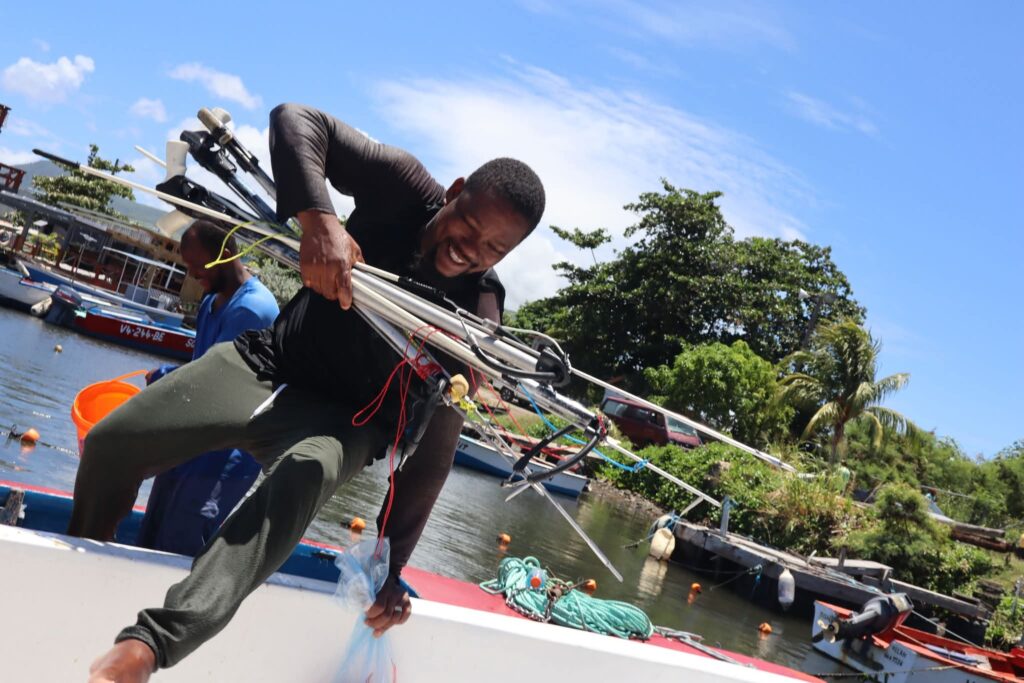
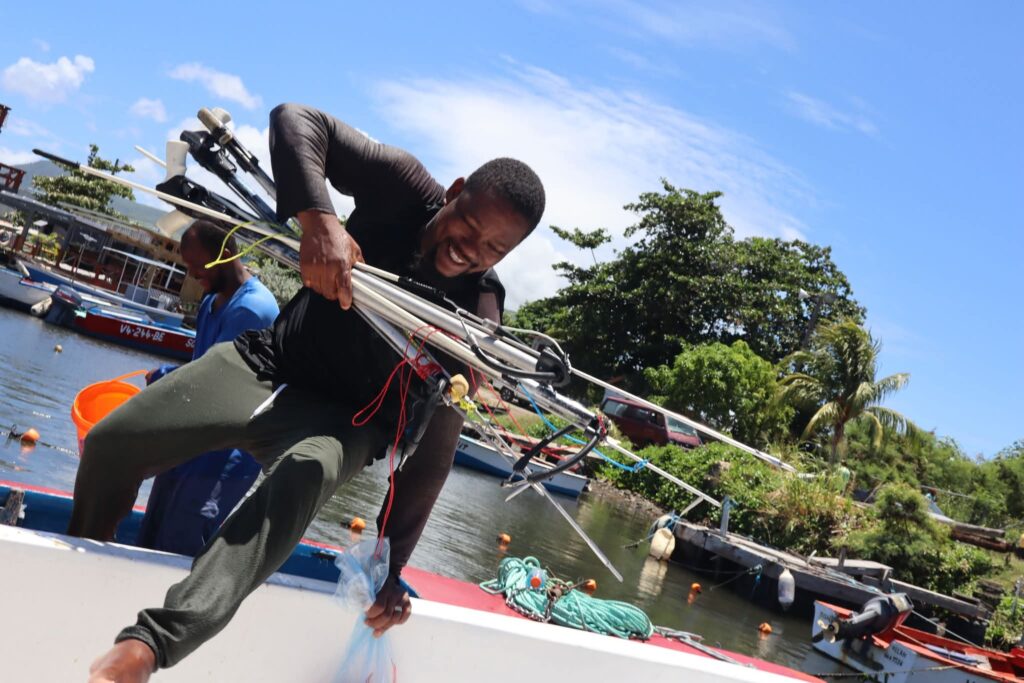
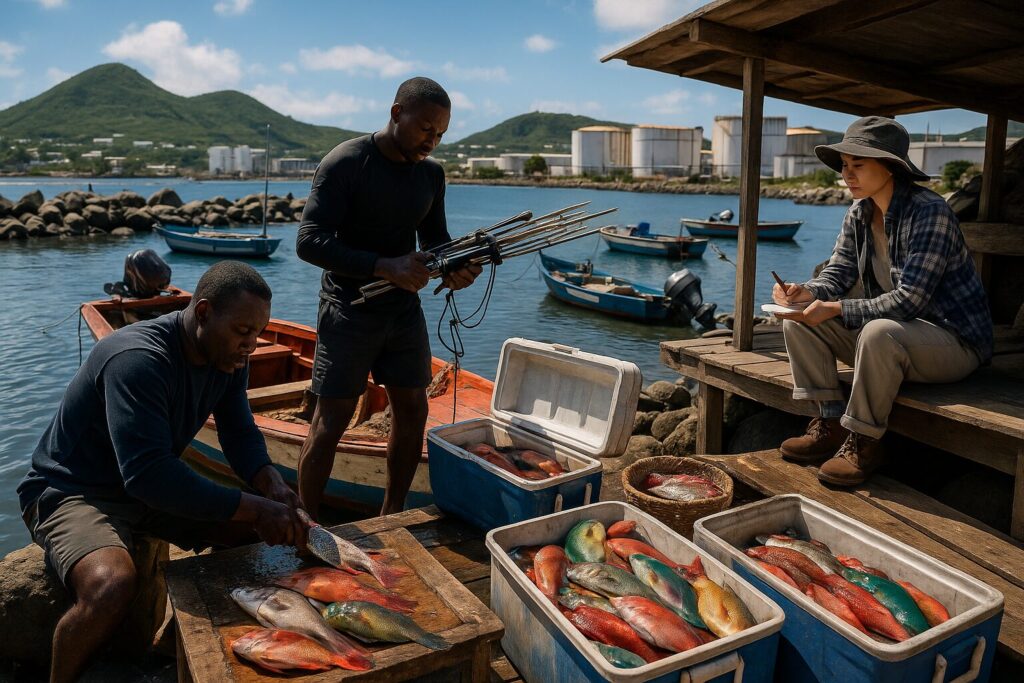
Though fishing may not dominate the Federation’s economic charts, Lee’s report exposes a deeper truth: for many in coastal communities, fishing is not just a livelihood—it’s life itself. From Old Road to Dieppe Bay in St. Kitts, and Jones Bay to Indian Castle in Nevis, generations have depended on the sea to feed families, fund education, and fuel the tourism economy.
“Sea water is rich. You won’t get hungry,” one elder told Lee. That quote, seemingly simple, captures an age-old Kittitian belief in the abundance of the ocean and the dignity of labour.
The report reveals that many fishers prefer the trials of the sea to the chaos of modern workplaces. No bosses. No time clocks. Just you, the ocean, and your courage. But make no mistake: this is not a romantic life. The work is grueling, dangerous, and relentless—with fishers braving mechanical breakdowns, rough seas, shark-infested waters, and the slow violence of climate change.
THE UNSUNG EXPERTS OF THE SEA
Perhaps most shocking is how little institutional credit is given to these masters of marine knowledge. While they may lack formal training, the fishers Etta Lee spoke with possess encyclopedic, lived knowledge of tides, currents, migratory patterns, and species-specific behavior.
“They know when the fish are biting, where they’re hiding, and what the sky is telling them—just by looking at the water,” Lee writes.
This depth of expertise is passed down generationally, and it stands in direct contrast to the dismissive labels often slapped on the profession: “unskilled,” “low-status,” or “informal labour.”
But Lee challenges those perceptions head-on.
“Fishers are not just producers,” she writes. “They are observers, historians, and guardians of the ocean’s rhythms.”
WHEN THE SEA STARTS CHANGING
What makes this article truly haunting is its documentation of visible environmental change through the eyes of those who live with the sea daily. Fishers speak of stronger currents, hotter seas, unpredictable weather, and the invasion of sargassum seaweed, a phenomenon that has been choking Caribbean coastlines for years.
Some suspect melting polar ice is behind the shift. Others note shoreline development and overfishing. Whatever the cause, the catch is no longer guaranteed, and the daily gamble becomes more perilous.
“The ocean used to be more productive,” one fisher sighs. “Now it turns terrible.”
LISTENING TO FISHERS IS LISTENING TO THE SEA
In a time where climate change summits and sustainability agendas often exclude the voices of real-world coastal workers, this article issues a clarion call:
Listen to the fishers.
Respect their wisdom.
Honor their stewardship.
Lee’s report does more than document a profession—it reclaims dignity for a community that has long been ignored by bureaucrats and developers alike. In an era obsessed with data, graphs, and projections, she reminds us that oral knowledge, tradition, and lived experience are just as powerful.
A CALL TO ACTION?
This timely feature arrives as the Department of Marine Resources wrestles with how to regulate, protect, and modernize the fishing sector amid rising concerns about sustainability and marine degradation.
Etta Lee’s work urges decision-makers to see fishers not as liabilities, but as partners and protectors of the marine ecosystem. It is a powerful reminder that policy must meet people where they live—and, in this case, where they fish.
In the words of a humble fisherman from New Guinea Landing Site:
“We don’t own the sea. We live with it. And if we don’t respect it… it will stop feeding us.”
Indeed. The time to listen is now.
Because listening to the fishers… is listening to the sea.
Written and reported by the SKN Times Feature Team | Adapted from the fieldwork of Etta Lee, Intern at the Department of Marine Resources.
















Leave a comment
You must be logged in to post a comment.