47 GHANAIAN NURSES ARRIVE AS QUESTIONS GROW OVER PAY AND CONDITIONS FOR LOCAL NURSES

PM Drew says overseas recruitment will ease staffing pressure, but concerns persist over retaining Kittitian and Nevisian healthcare professionals
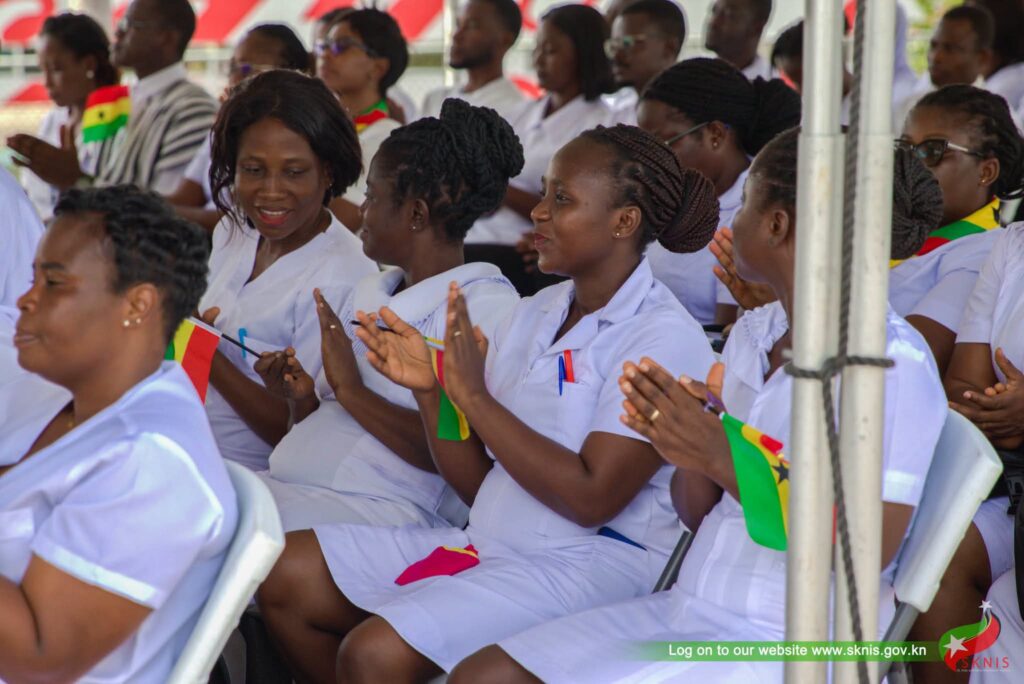

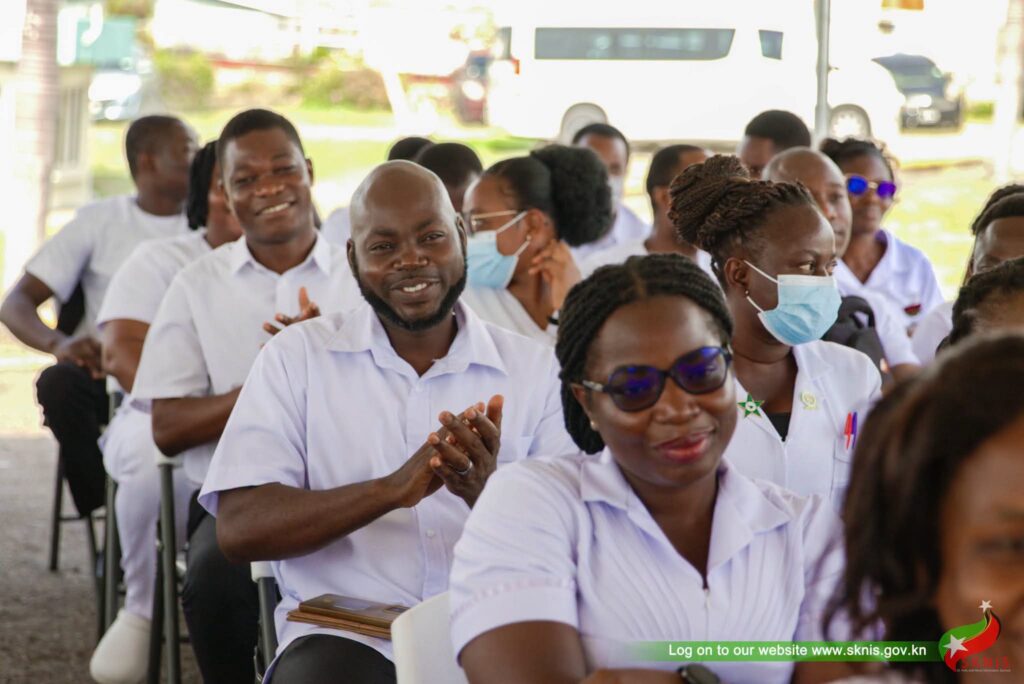
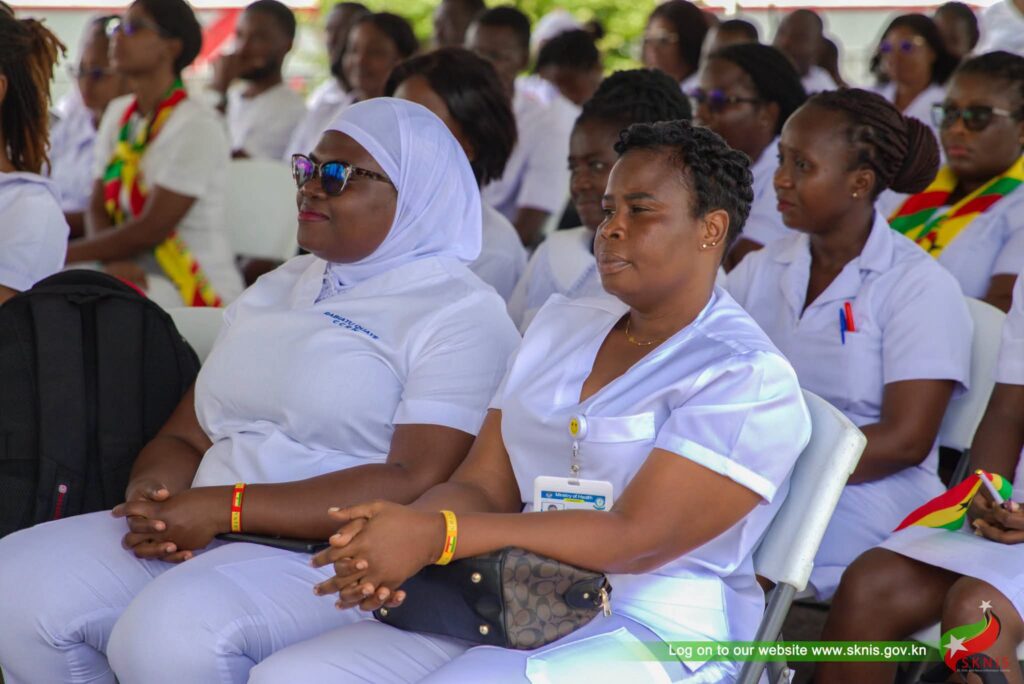
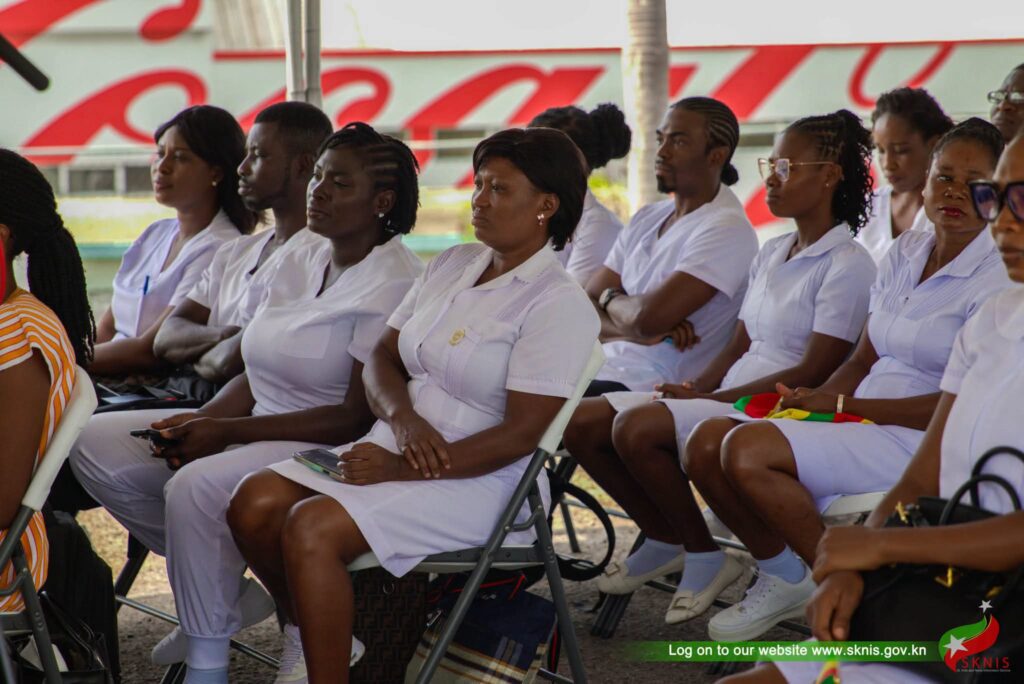
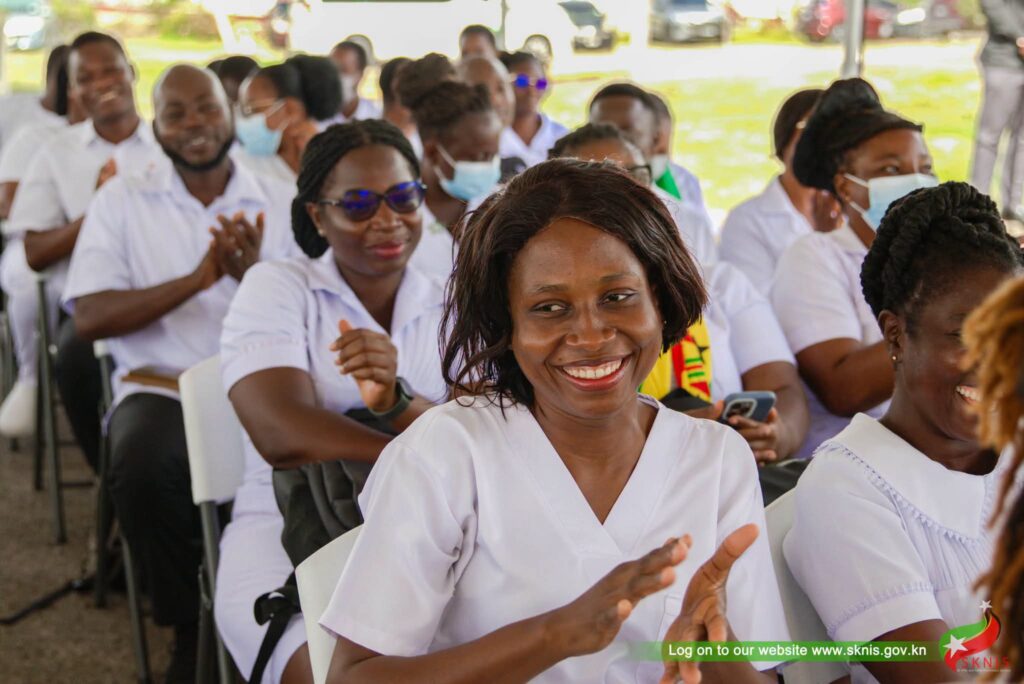
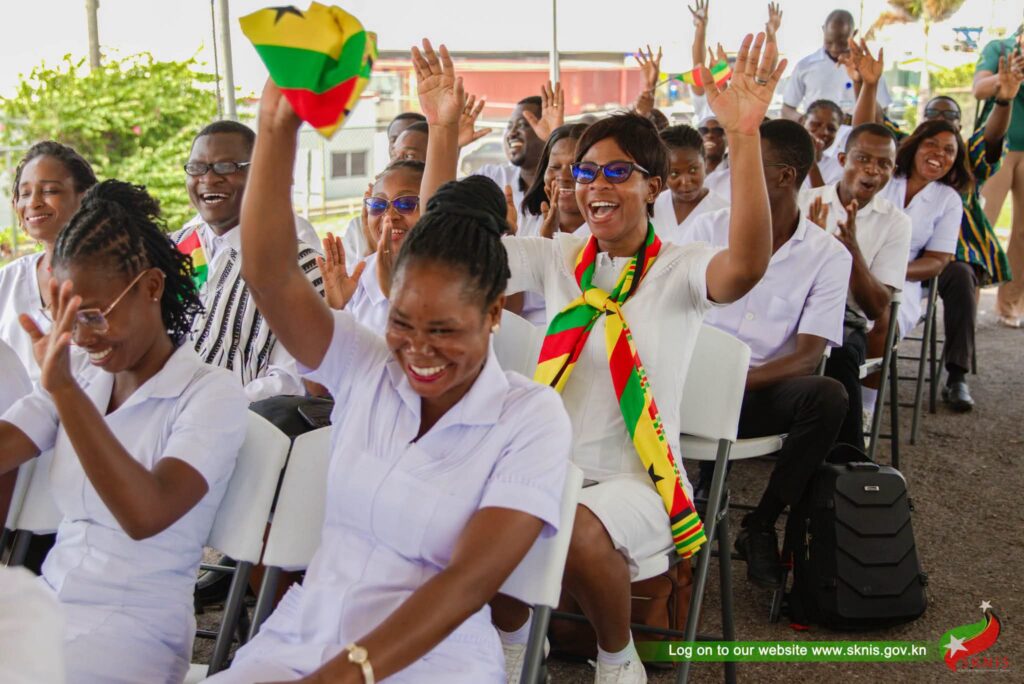
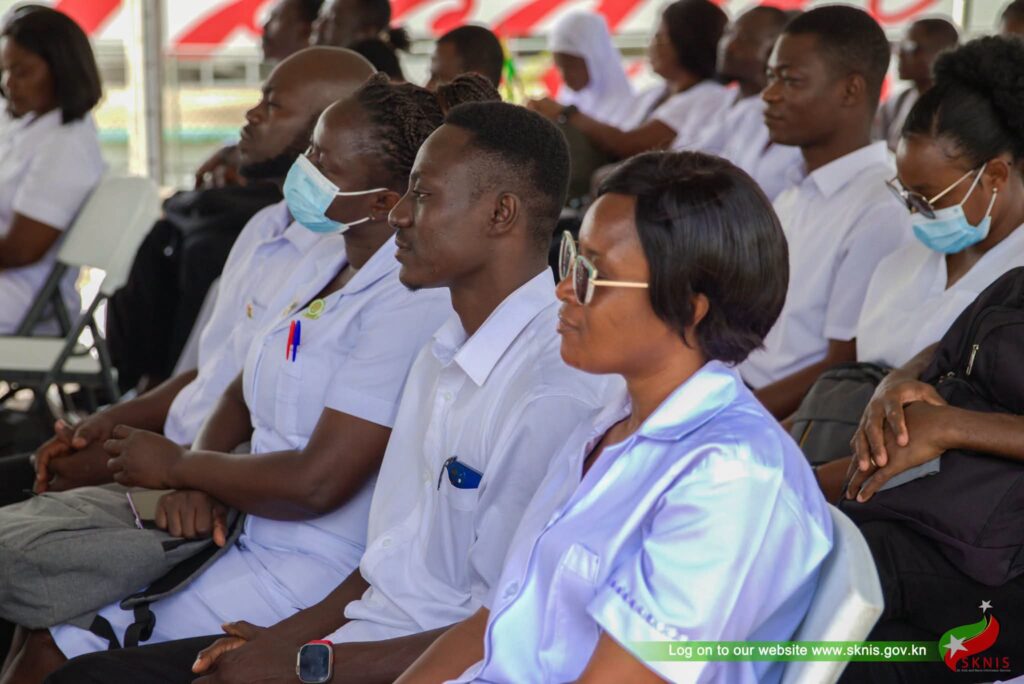
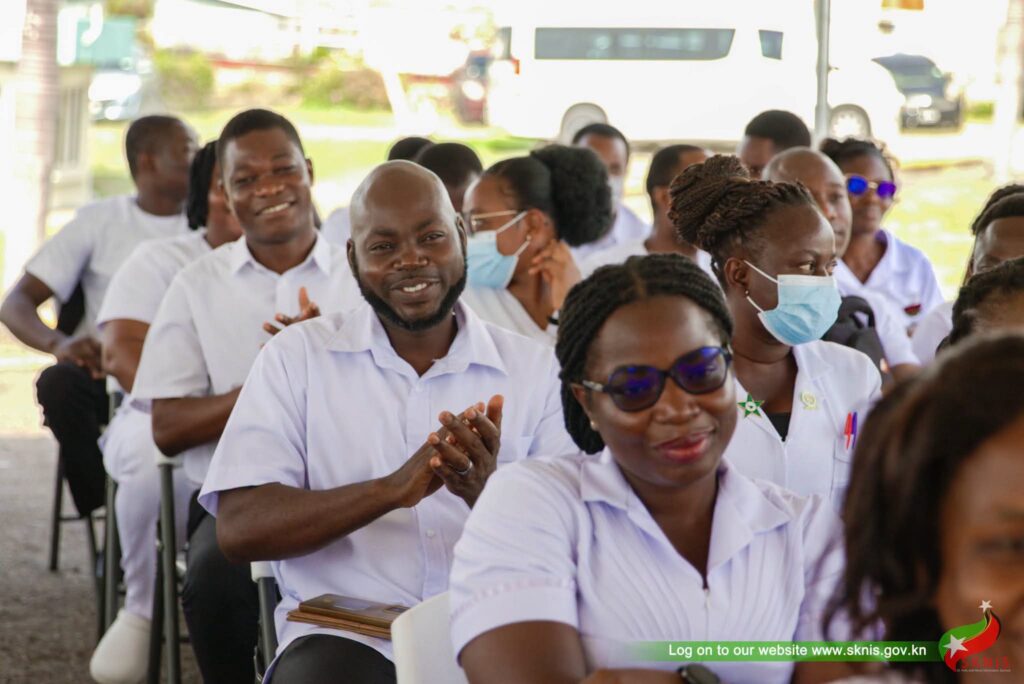
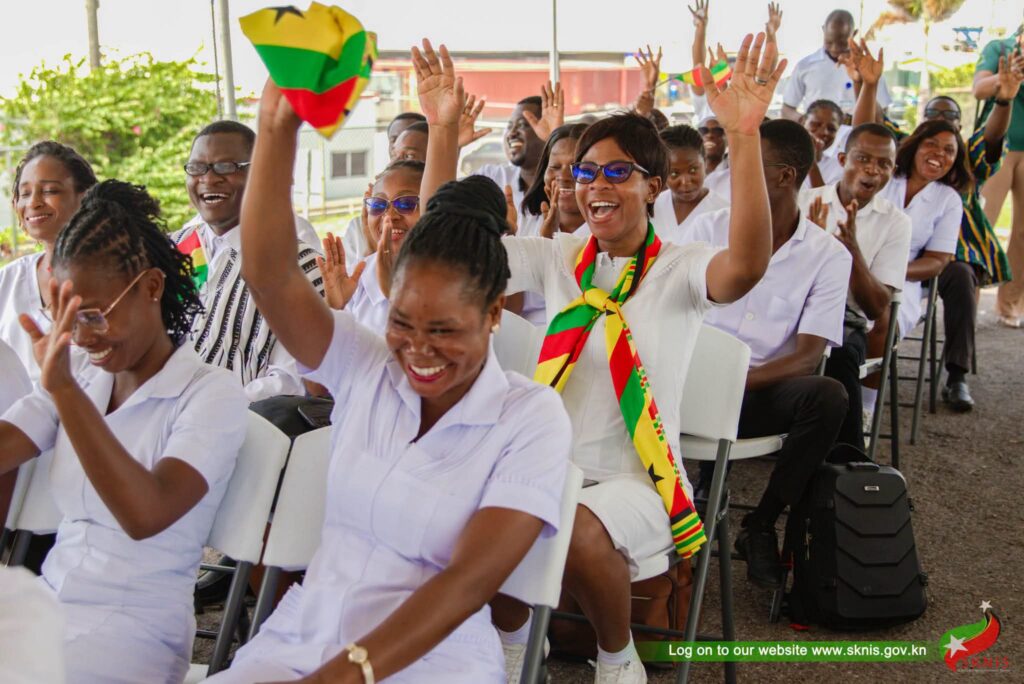
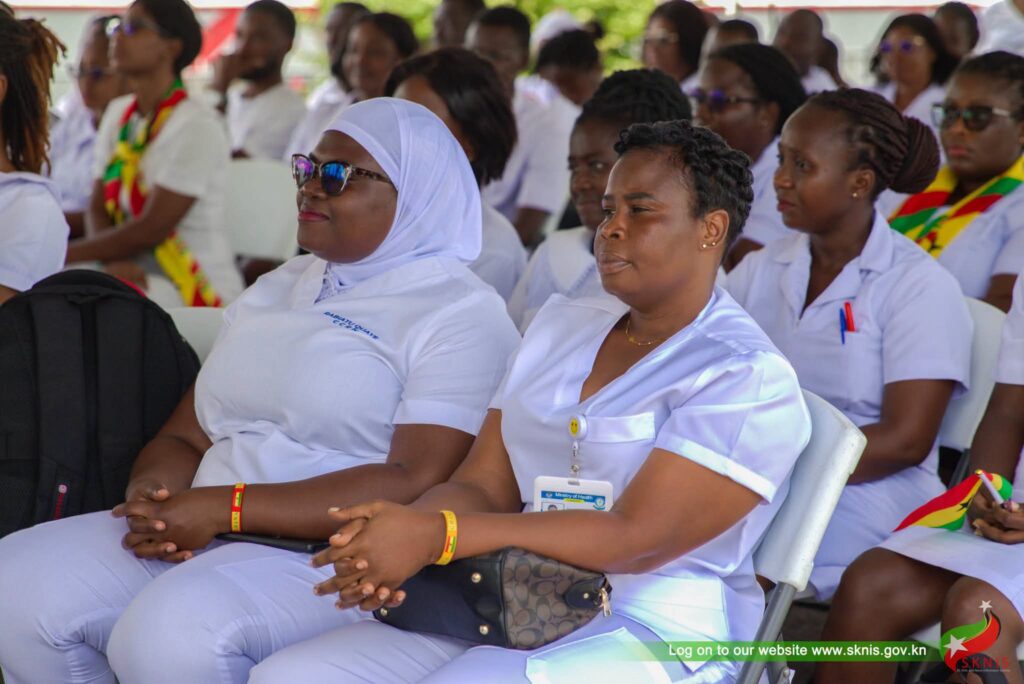
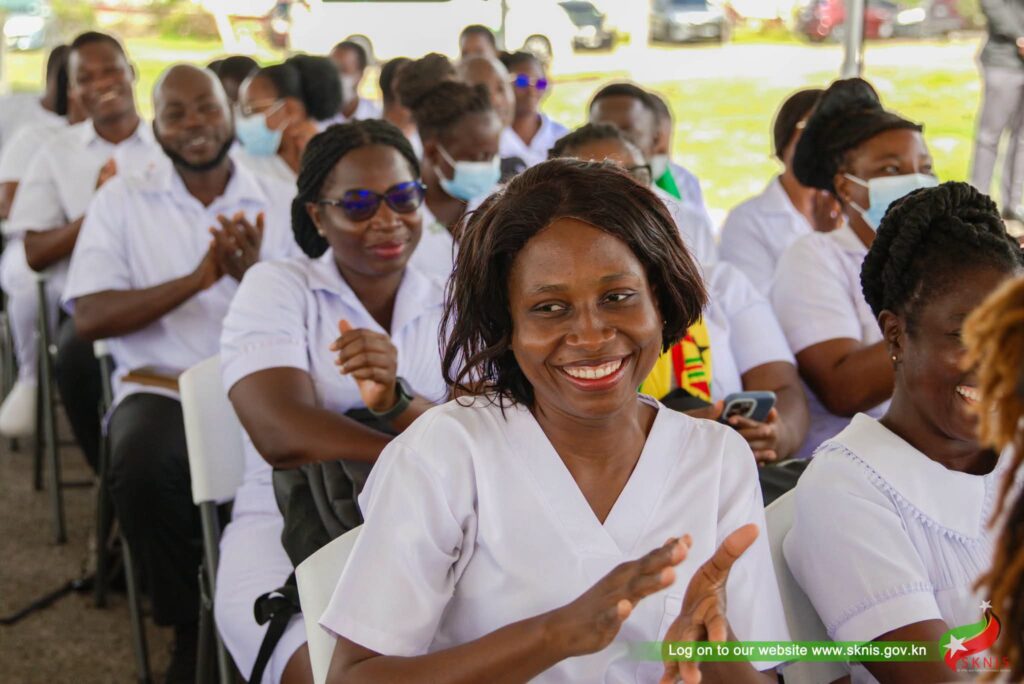
BASSETERRE, ST. KITTS, August 10, 2026 (Times Caribbean) — The Government of St. Kitts and Nevis officially welcomed 47 nurses from Ghana on Monday, a major expansion of the Federation’s healthcare workforce that is also likely to reignite debate over the wages, working conditions and retention of locally trained nurses.
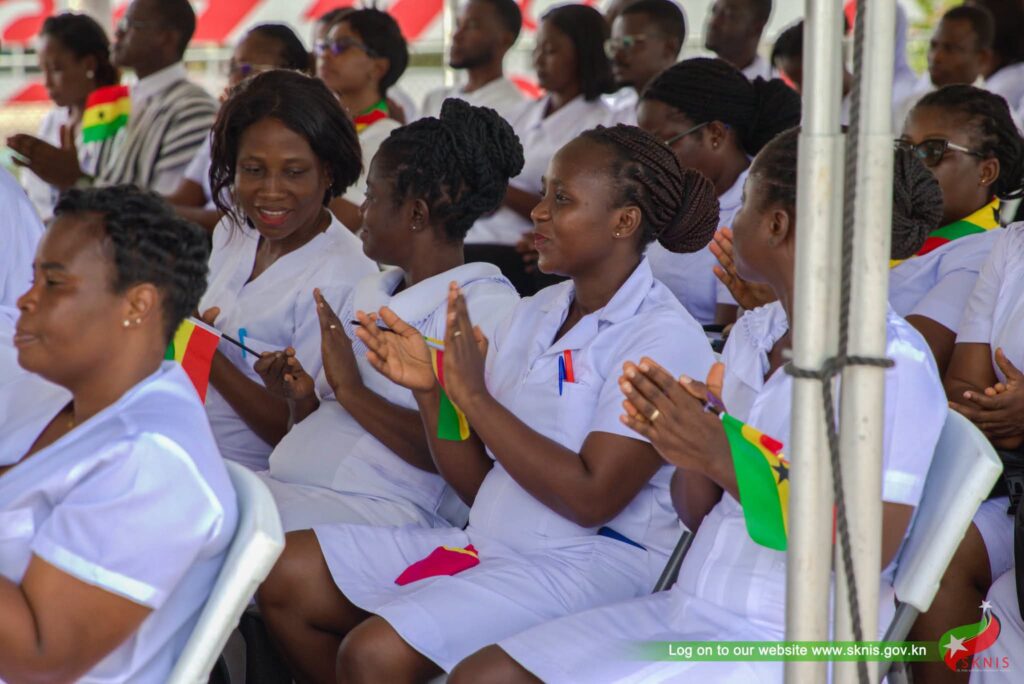
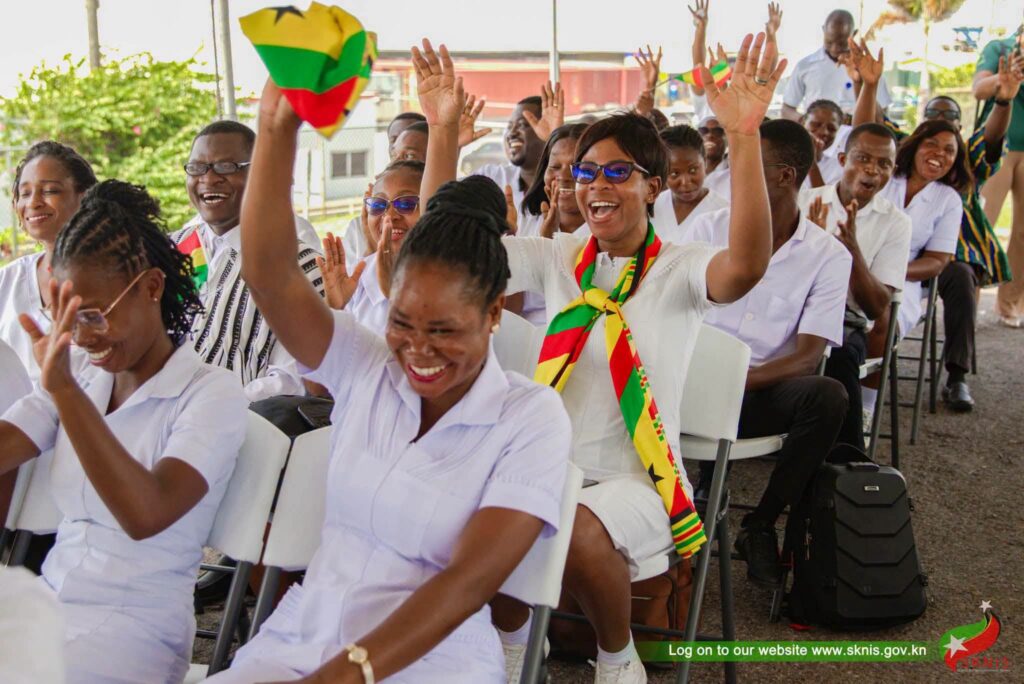
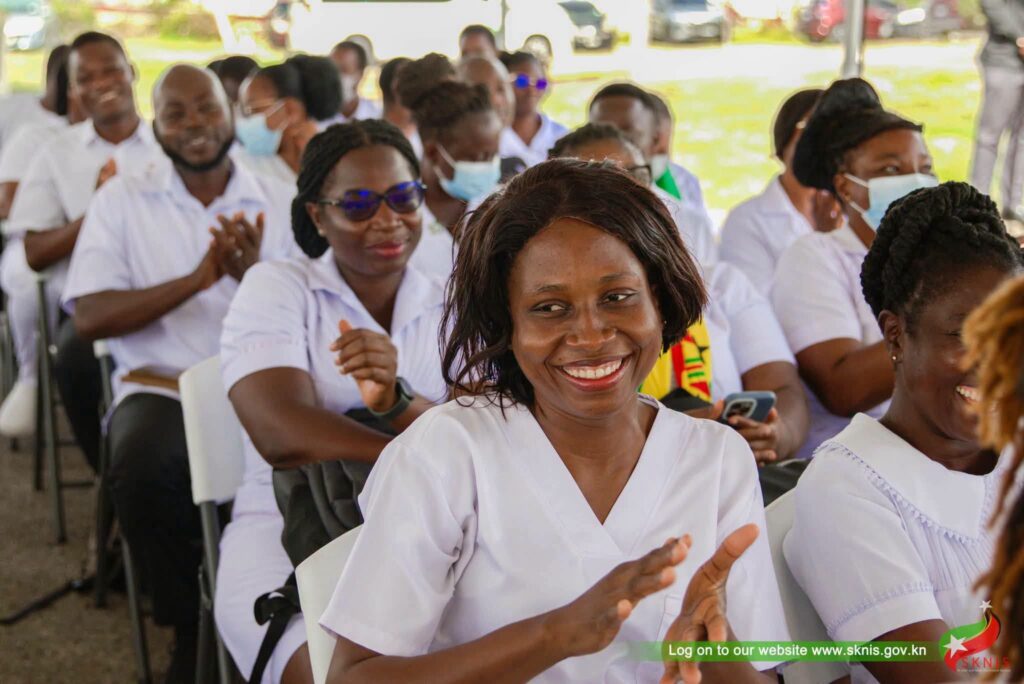
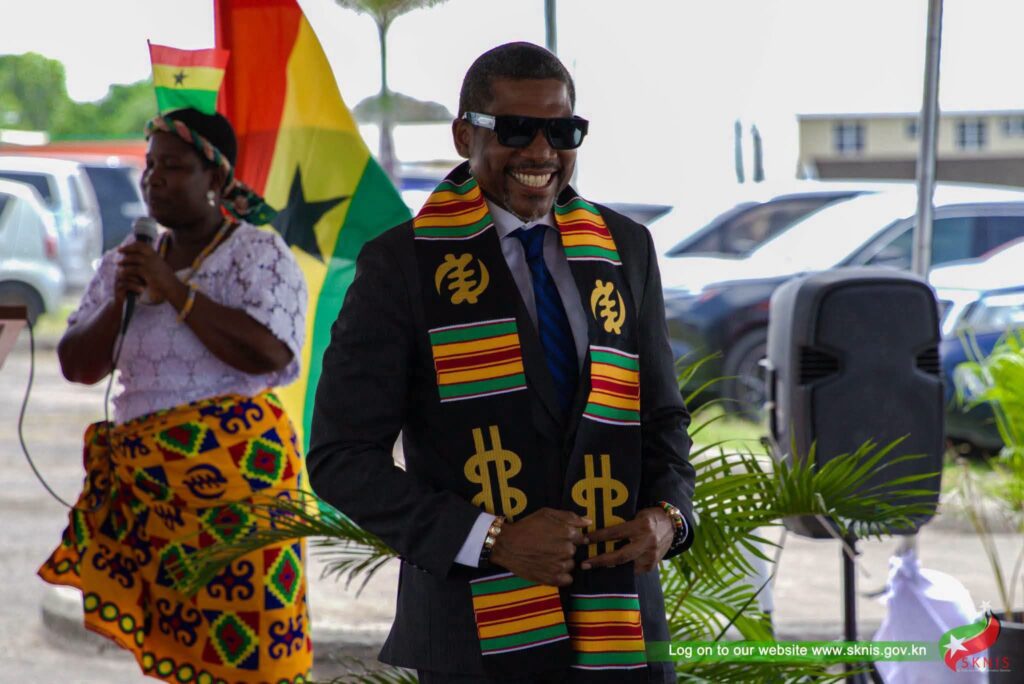
Prime Minister and Minister of Health Dr. Terrance Drew welcomed the nurses during an official ceremony, saying their recruitment is intended to reduce the burden currently being carried by healthcare professionals across the Federation.
“This morning, we officially welcomed 47 nurses from Ghana who will now join our healthcare teams across hospitals and clinics throughout St. Kitts and Nevis,” Prime Minister Drew stated.
“Their arrival will ease the pressure on our hardworking nurses, improving nurse-to-patient ratios, strengthening the quality of care, and ultimately delivering better outcomes for our people.”
The Prime Minister, who is also a medical doctor, acknowledged the pressure that staffing shortages can place on healthcare workers.
“As a medical doctor, I understand firsthand the tremendous strain that shortages can place on healthcare professionals,” he said.
But the arrival of such a large group of overseas nurses is also putting another issue squarely back into the national conversation: What is being done to retain local nurses?
Concerns have repeatedly been raised within the wider healthcare community about compensation, workloads, working conditions and the departure of locally trained healthcare professionals seeking opportunities overseas.
Against that backdrop, the recruitment of 47 Ghanaian nurses is likely to prompt questions about whether international recruitment alone can provide a sustainable answer to the Federation’s nursing shortage.
The issue is not whether the Ghanaian nurses are needed or welcomed. They are healthcare professionals who have travelled to St. Kitts and Nevis to work, serve patients and help fill existing gaps in the system.
The bigger policy question is whether enough is simultaneously being done to make St. Kitts and Nevis attractive enough for its own nurses to stay.
If experienced local nurses continue leaving while overseas professionals are recruited to replace shortages, critics may argue that the country risks treating the symptoms of its healthcare staffing problem rather than addressing some of its underlying causes.
Prime Minister Drew, however, said his administration has been deliberate about strengthening the workforce and supporting nurses.
“That is why we have been deliberate in strengthening the workforce and ensuring that our nurses are better supported to provide the compassionate, attentive care they were trained to deliver,” Drew stated.
“We will continue doing the work necessary to build a stronger, more resilient and more patient-centred healthcare system for every citizen and resident of St. Kitts and Nevis.”
According to the Ministry of Health, the August 10 ceremony formally marked the Ghanaian nurses’ integration into the healthcare system and represented another step toward increasing the country’s capacity to provide quality healthcare.
The ceremony was attended by Prime Minister Drew; Deputy Prime Minister Dr. Geoffrey Hanley; Permanent Secretary in the Ministry of Health Curtis Martin; and members of the leadership team of the Joseph N. France General Hospital.
Following the welcome ceremony, Prime Minister Drew also participated in a ribbon-cutting ceremony officially reopening the refurbished Private Ward at the JNF General Hospital.
The Government is presenting the recruitment as an important intervention to improve nurse-to-patient ratios and relieve existing staff.
But for many observers, another question will remain just as important:
While St. Kitts and Nevis recruits nurses from abroad to strengthen the system, what comprehensive measures are being implemented to improve compensation, conditions and long-term retention for the nurses already serving at home?
The arrival of the 47 Ghanaian nurses may help address an immediate shortage.
The challenge of retaining local healthcare professionals, however, remains a critical part of the national healthcare debate.


















Leave a comment
You must be logged in to post a comment.