THE DAY BRADSHAW DIED-May 23rd, 1978: The Night a Nation Fell Silent
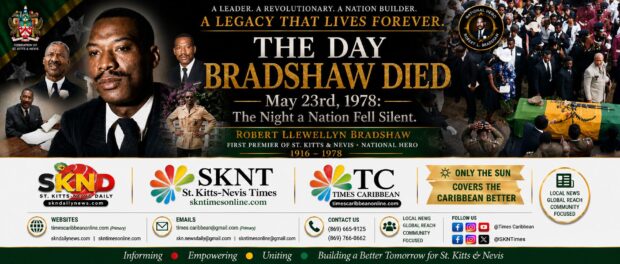
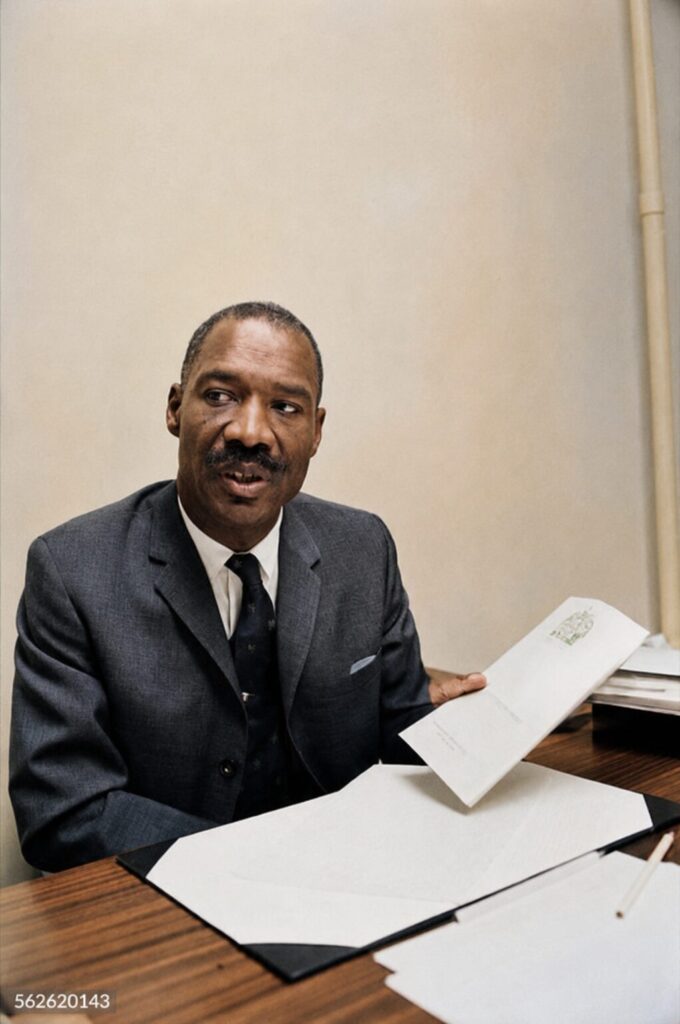
On the night of May 23rd, 1978, St. Kitts and Nevis did not merely lose a political leader. It lost a towering force of nature. It lost a voice that had thundered through sugar fields, trade union halls, Parliament chambers, and village lanes for decades. It lost a man many believed carried the hopes of the poor on his shoulders.
And for thousands across the federation, it felt as though time itself stopped.
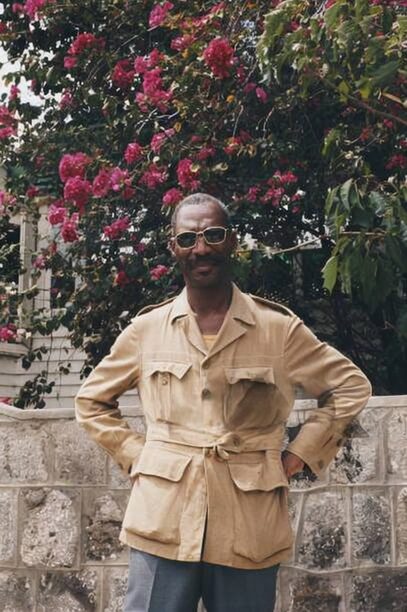
At approximately 11:30 p.m., Robert Llewellyn Bradshaw — Premier, labour giant, Caribbean statesman, and the architect of modern St. Kitts and Nevis — died at his home in Fortlands, Basseterre after reportedly battling prostate cancer. He was 61 years old.
Within hours, an eerie stillness reportedly spread across the island.
Lights remained on late into the night. Radios crackled with somber updates. Families gathered in disbelief. Men who had spent years debating Bradshaw’s politics reportedly stood shoulder to shoulder with loyal supporters, stunned by the magnitude of the moment. Women cried openly in homes and streets. Workers who once marched under his leadership struggled to process the news.
For an entire generation, Bradshaw had become inseparable from the idea of governance itself.
And suddenly, he was gone.
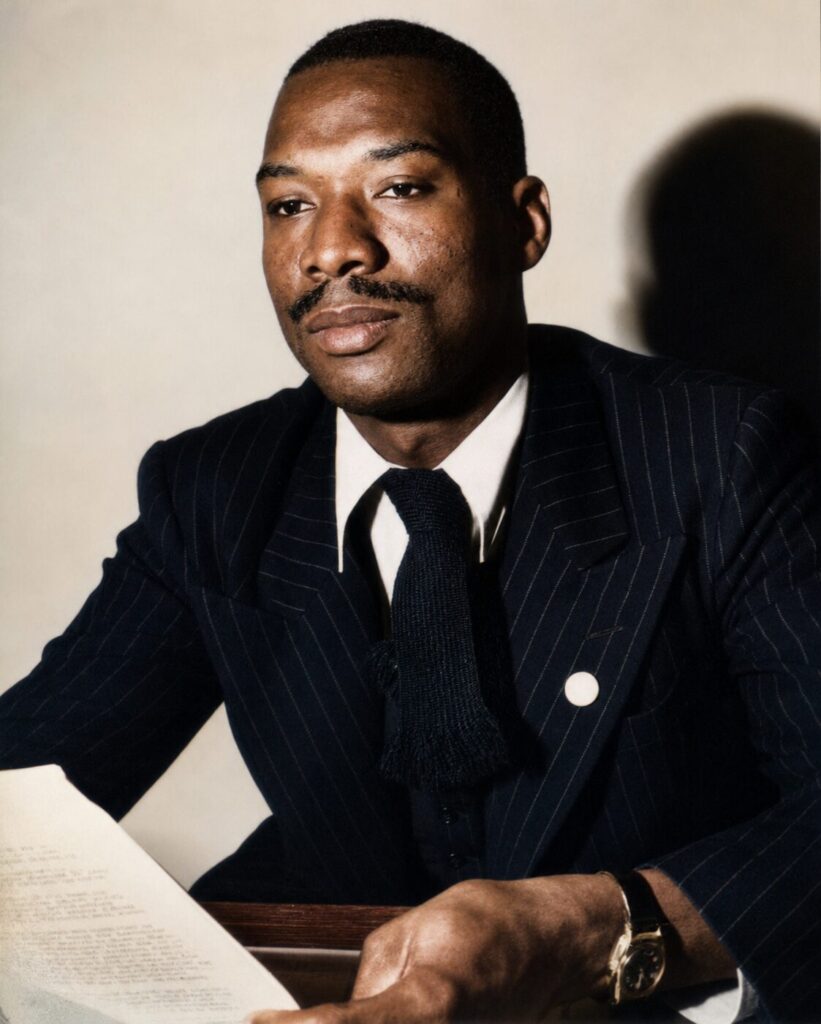
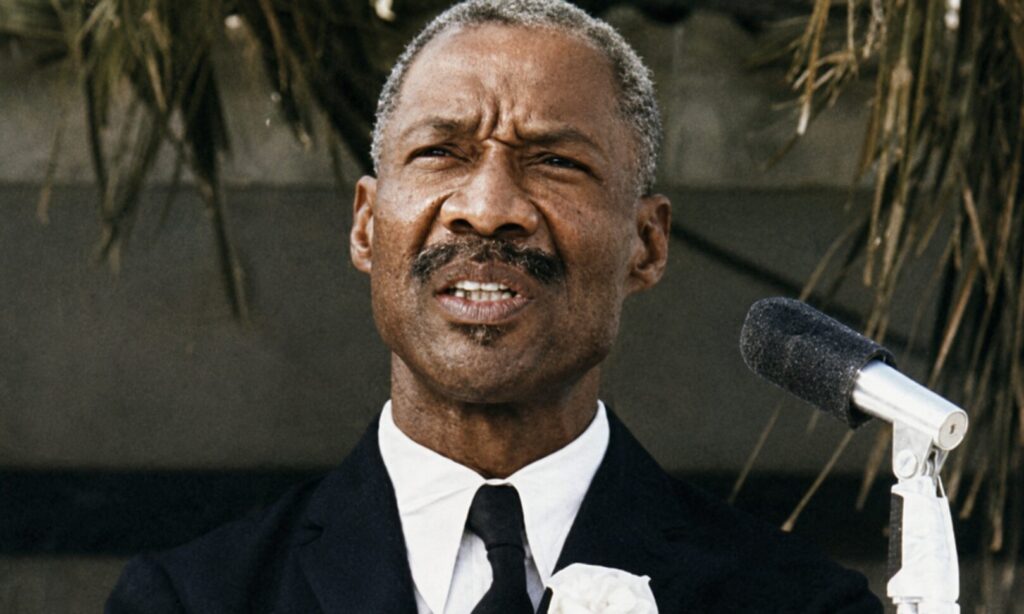
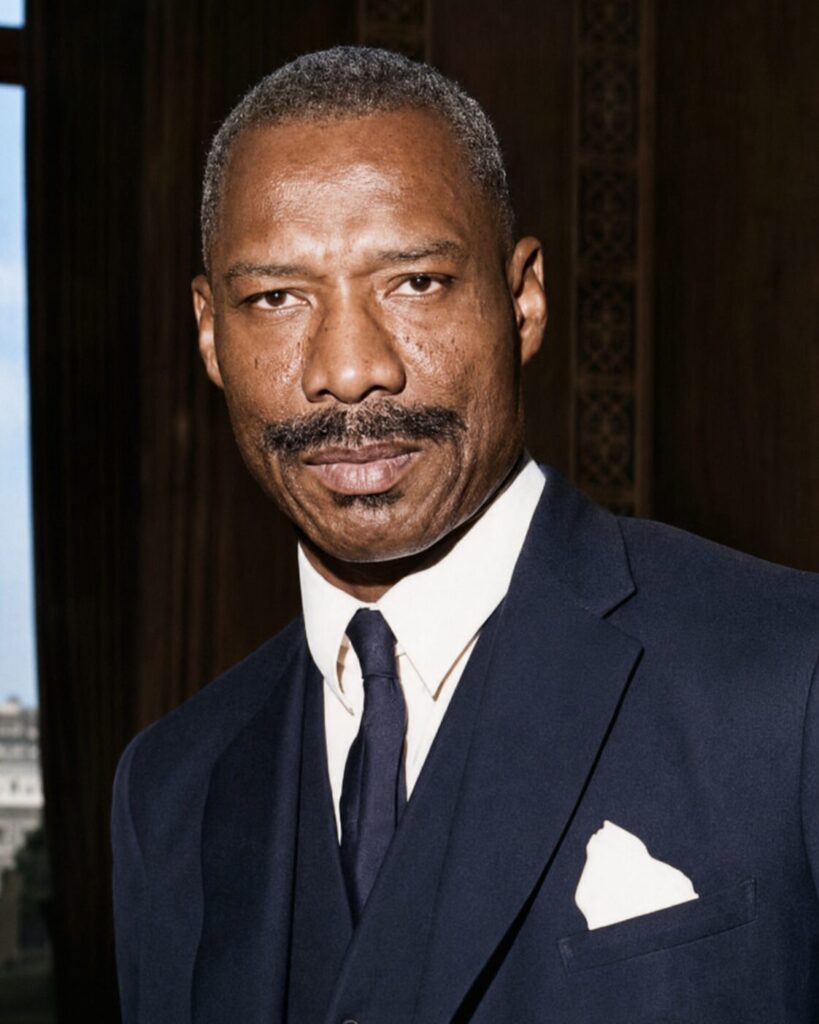
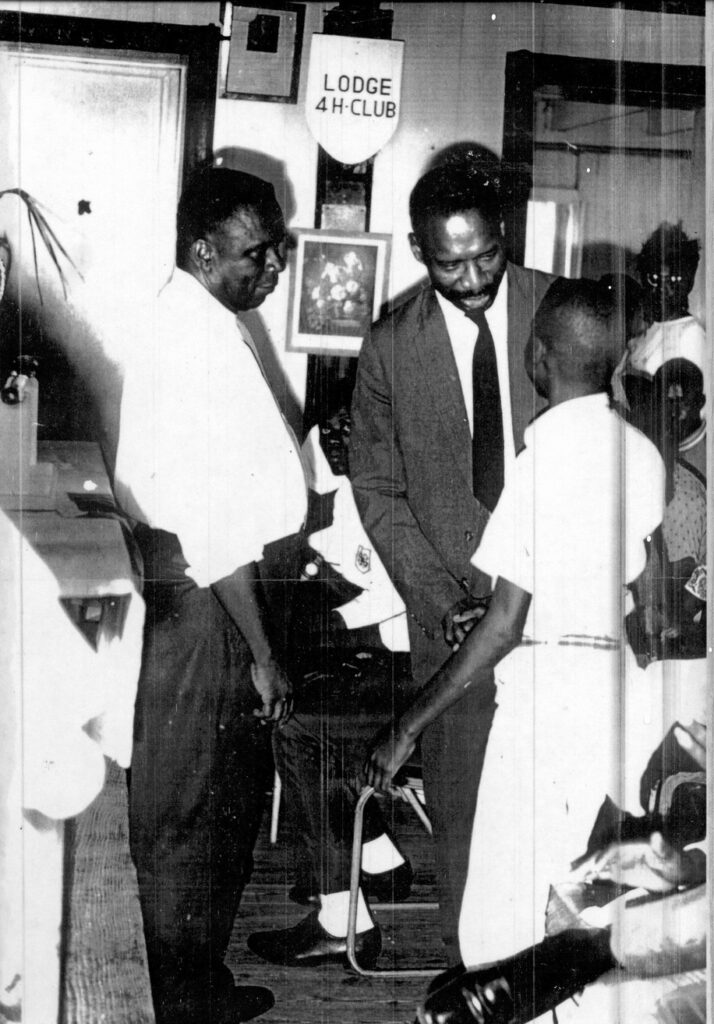
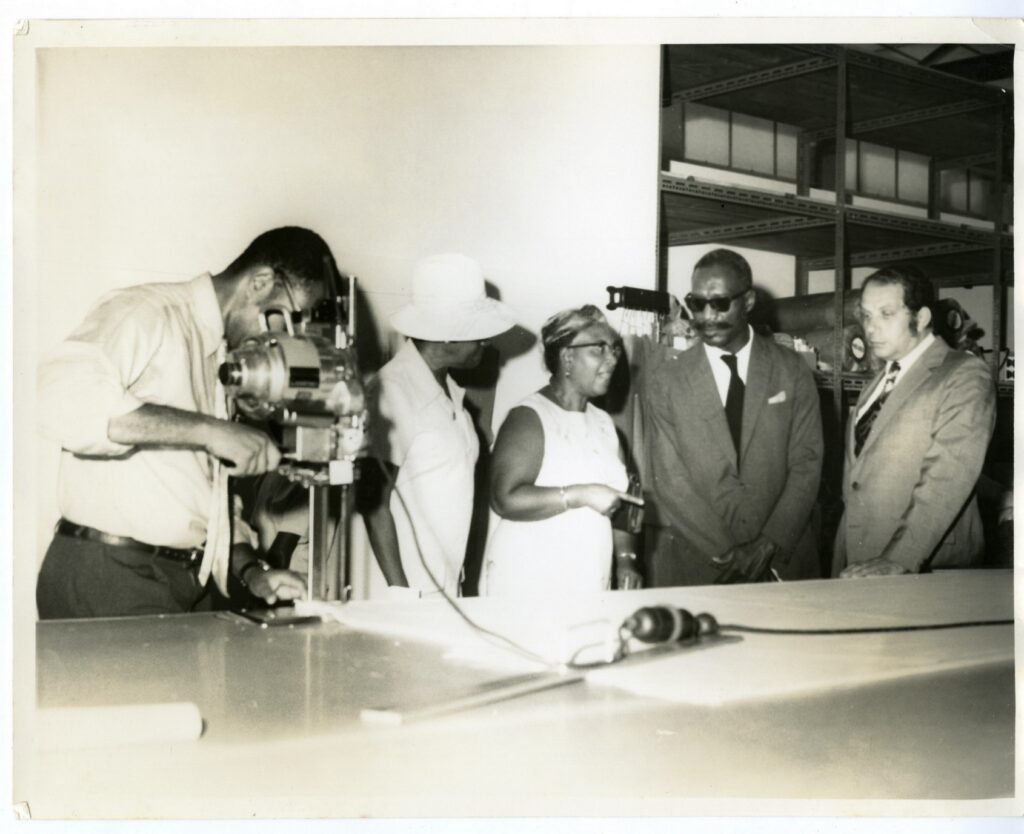
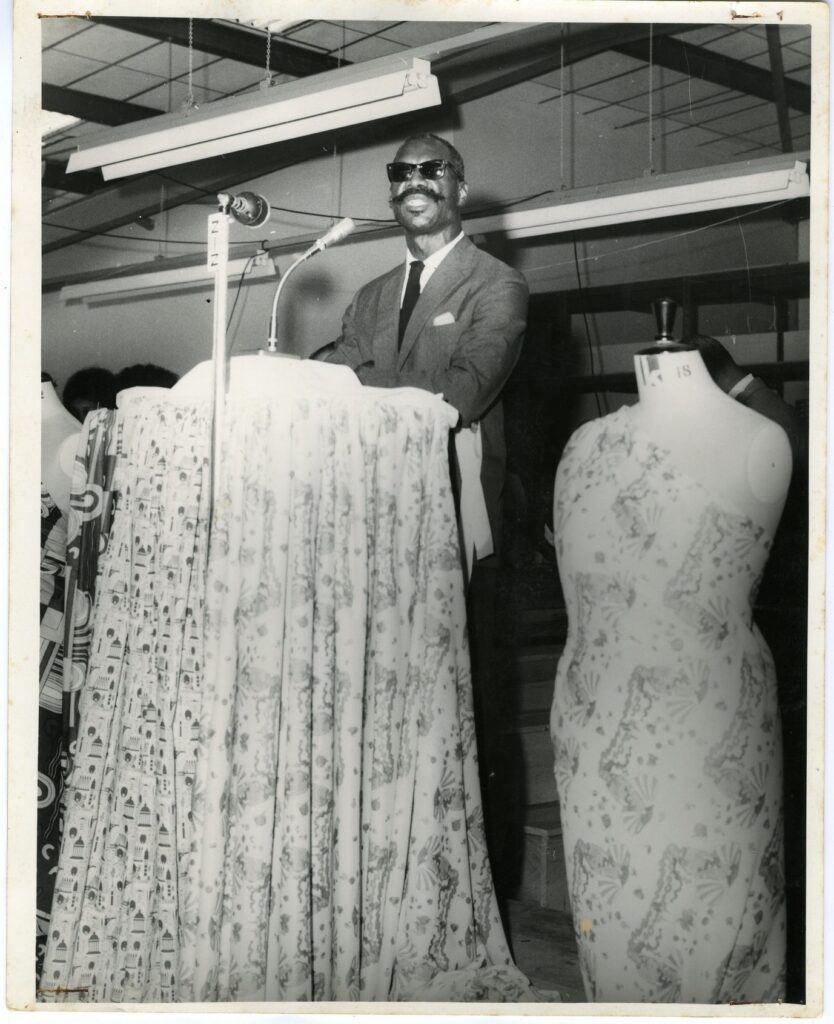
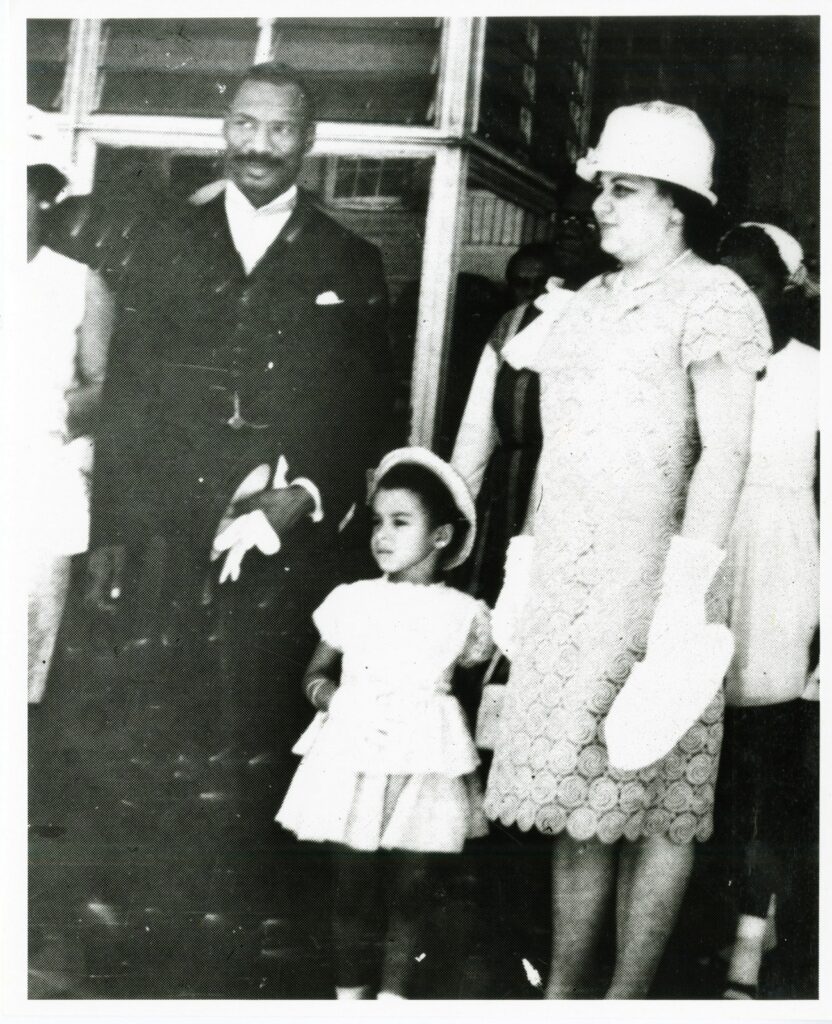
THE MAN WHO CHANGED THE COURSE OF A SMALL NATION
Robert Llewellyn Bradshaw was not born into privilege. He emerged from ordinary roots at a time when colonial hardship, poverty, and class division defined life for many in St. Kitts.
Yet through fiery determination, unmatched political instincts, and relentless organizing, Bradshaw rose to become the dominant political force in the federation.
To supporters, he was fearless.
To critics, he was formidable.
But to almost everyone, he was impossible to ignore.
Bradshaw’s rise through the labour movement transformed the political landscape of St. Kitts and Nevis. Through the St. Kitts-Nevis-Anguilla Trades and Labour Union and later political leadership, he became the face of working-class empowerment during a period of profound social change across the Caribbean.
His leadership coincided with some of the federation’s most defining modern developments — expanded education opportunities, infrastructure growth, improved public services, and the strengthening of political self-determination.
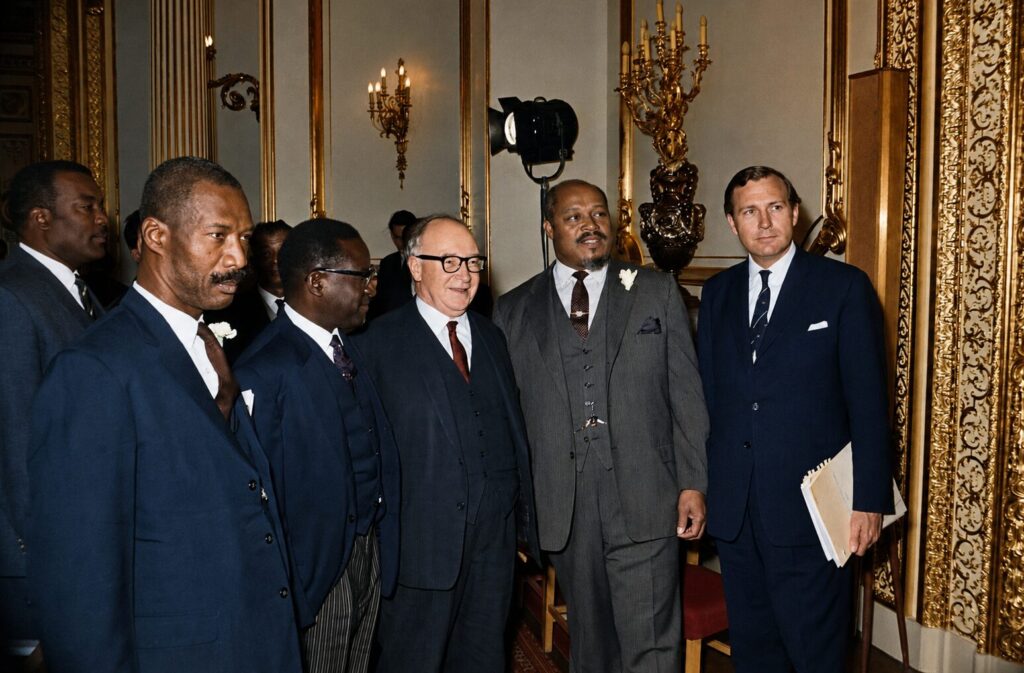
By the 1970s, Robert L. Bradshaw had evolved beyond local politics. He had become a Caribbean figure of immense influence.
And with that influence came fierce debate.
A LEADER BOTH LOVED AND FEARED
Few leaders in Caribbean history have inspired emotions as powerful as Bradshaw did.
His supporters viewed him as a liberator of the poor and working class — a man who challenged entrenched power structures and forced the political establishment to recognize ordinary people.
His critics argued that his administration wielded authority aggressively and centralized political influence in unprecedented ways.
Even decades later, historians and political observers continue to debate his methods, his style, and the full impact of his rule.
But one reality remains undeniable:
Bradshaw changed St. Kitts and Nevis forever.
And on the day he died, even many of his opponents reportedly recognized that an era had ended.
THE FINAL HOURS
Accounts from the period describe growing public concern surrounding Bradshaw’s health in the months leading up to his death. Rumors circulated quietly throughout Basseterre as citizens watched the once-commanding leader reportedly battle illness away from the public eye.
Then came the devastating announcement.
Robert Llewellyn Bradshaw had died at his Fortlands residence.
The shockwave was immediate.
Across the island, businesses reportedly closed early. Political allies rushed to emergency meetings. Residents gathered around radios searching for confirmation and details.
The atmosphere in Basseterre reportedly became one of mourning, uncertainty, and reflection.
For many older citizens alive at the time, the memory of that night remains vivid nearly half a century later.
They remember the silence.
They remember the tears.
They remember the disbelief.
And they remember wondering what would happen next.
A COUNTRY IN TRANSITION
Following Bradshaw’s death, Deputy Premier Paul Southwell assumed leadership responsibilities during one of the most emotionally charged moments in the federation’s political history.
The transition was not merely administrative.
It was psychological.
An entire population had spent years viewing Bradshaw as the central pillar of political life. His death forced the country to confront an uncertain future without the commanding personality who had dominated national affairs for decades.
The emotional impact extended beyond politics.
Bradshaw’s passing symbolized the closing chapter of a generation that fought colonial systems, built trade unions, and laid foundations for Caribbean self-governance.
To many, his death represented the end of a revolutionary political age.
THE FUNERAL THAT SHOOK THE FEDERATION
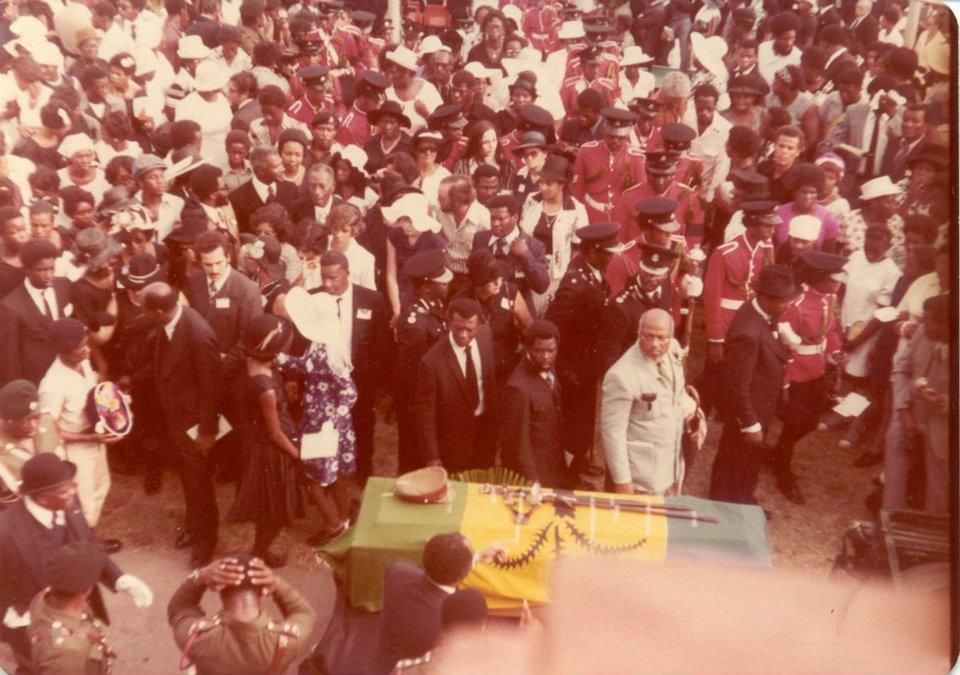
The scenes surrounding Bradshaw’s funeral remain among the most historic ever witnessed in St. Kitts and Nevis.
Thousands reportedly flooded the streets.
Mourners dressed in black lined roadways. Uniformed officers stood at attention. Political leaders, workers, elderly citizens, and young children gathered together in collective grief.
The funeral procession became more than a burial ceremony.
It became a national reckoning.
Images from that period — crowded streets, emotional mourners, solemn faces — captured the immense emotional weight of the moment.
For supporters, Bradshaw was not simply being buried.
A chapter of national identity was being laid to rest.
He was later interred at Springfield Cemetery.
FROM PREMIER TO NATIONAL HERO
History would ultimately cement Robert Llewellyn Bradshaw’s place among the federation’s most consequential figures.
In 1996, he was officially named the first National Hero of St. Kitts and Nevis — a symbolic recognition of his impact on the nation’s development and political evolution.
Two years later, in 1998, the federation’s international airport was renamed the Robert L. Bradshaw International Airport in his honor, ensuring that every arrival and departure into the country would carry the legacy of his name.
Today, his influence continues to shape political discussion, historical analysis, and public memory.
Some celebrate him as the father of modern St. Kitts and Nevis.
Others continue to debate aspects of his leadership.
But few dispute his historical significance.
MAY 23RD: A DATE HISTORY NEVER FORGOT
Every nation has moments frozen in collective memory.
Moments when citizens remember exactly where they were.
Exactly what they heard.
Exactly how they felt.
For many in St. Kitts and Nevis, May 23rd, 1978 remains one of those moments.
The day Robert Llewellyn Bradshaw died was not just the passing of a man.
It was the passing of an era.
And nearly five decades later, the echoes of that night still linger in the story of a nation he helped shape forever.
















Leave a comment
You must be logged in to post a comment.