MEDICINAL GANJA EARTHQUAKE! TRUMP ADMINISTRATION ROCKS U.S. DRUG POLICY WITH HISTORIC MARIJUANA SHIFT
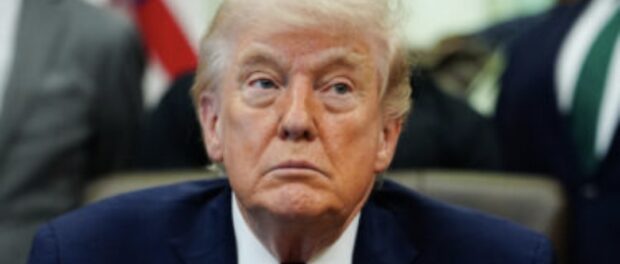
WASHINGTON / CARIBBEAN DESK — In a bombshell move sending shockwaves through the global cannabis industry and throughout the Caribbean medicinal ganja sector, the administration of has unveiled the most dramatic U.S. federal marijuana policy shift in decades — easing restrictions on medical marijuana while leaving wider legalization battles unresolved.
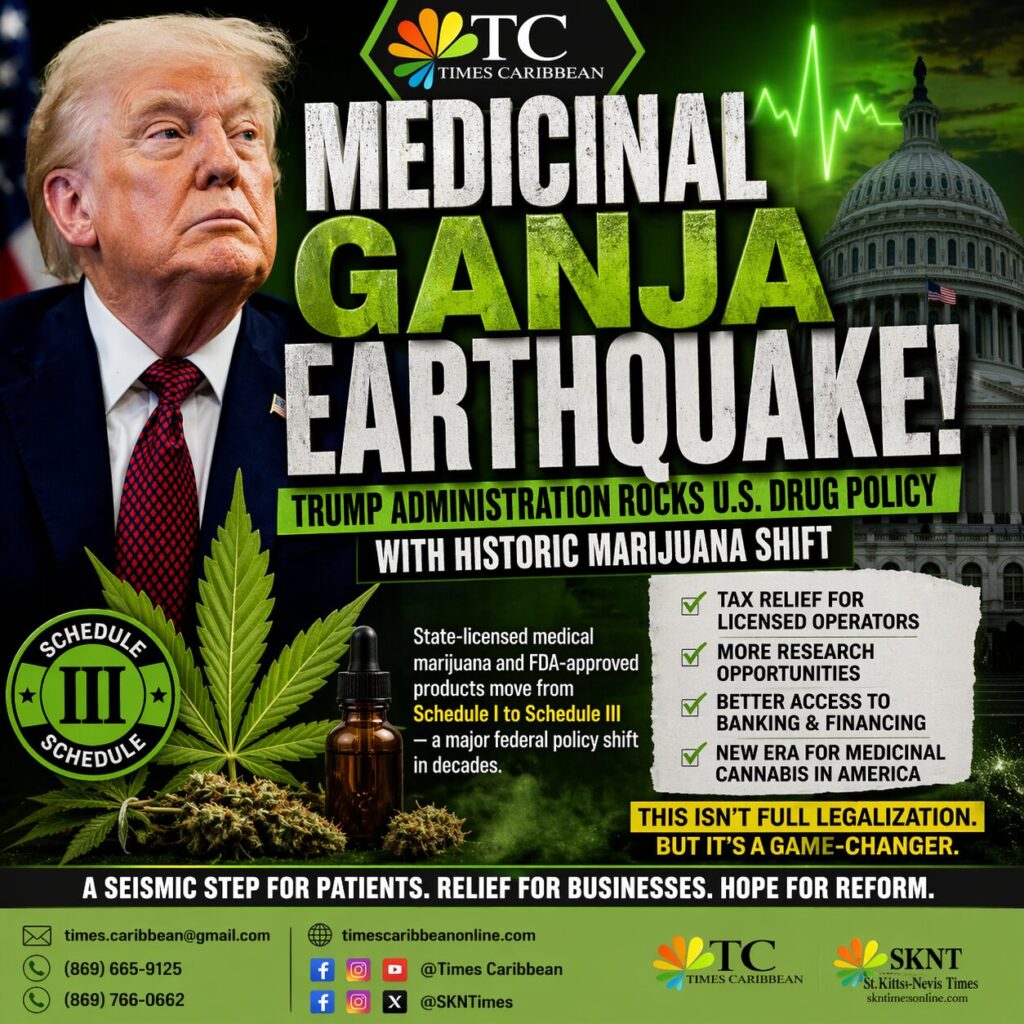
The landmark decision reclassifies state-licensed medical marijuana and FDA-approved marijuana products from Schedule I to Schedule III under U.S. federal drug law — a major downgrade from the category reserved for substances considered to have no accepted medical use and high abuse potential.
For years, marijuana sat in the same legal tier as heroin. That era has now been shaken.
What the Move Means
The change does not legalize marijuana nationwide. Recreational cannabis remains federally illegal, and broader issues such as interstate trade, criminal penalties, cannabis banking reform, and full legalization remain tangled in Washington politics.
Yet analysts say the decision could trigger billions in economic impact.
By shifting medicinal marijuana to Schedule III, licensed operators may gain relief from crippling tax burdens under Section 280E of the U.S. tax code — a long-criticized rule that blocked normal business deductions for cannabis firms.
That means more cash for:
- Expansion
- Hiring
- Research
- Medical innovation
- Infrastructure investment
Industry insiders are already describing the move as a game-changer.
Research Doors Burst Open
Another explosive implication is scientific access.
For decades, doctors and researchers complained that Schedule I status made clinical cannabis studies unnecessarily difficult. The new classification could accelerate research into marijuana’s effectiveness for:
- Chronic pain
- Epilepsy
- Cancer treatment support
- PTSD
- Anxiety disorders
- Multiple sclerosis symptoms
This may reshape the global conversation around plant-based medicine.
Caribbean Implications: A Region Watching Closely
Across the Caribbean, where several nations have embraced or explored medicinal cannabis, the U.S. shift is expected to be watched with intense interest.
Countries such as , , , and others have debated ganja reform as both a healthcare opportunity and economic diversification strategy.
If U.S. policy continues to soften, Caribbean medicinal cannabis exports, investment interest, pharmaceutical partnerships, and tourism-linked wellness markets could see renewed momentum.
Political Calculation or Policy Evolution?
Critics say the administration stopped short of true reform and left millions trapped in a legal contradiction where states permit marijuana while federal law still criminalizes it.
Supporters argue it is the boldest practical step taken in decades.
Acting Attorney General reportedly signed the order, while federal officials signaled a wider review may still come.
That means this may not be the final chapter — but the opening salvo of a much larger cannabis revolution.
Bottom Line
America has not fully legalized ganja.
But for the first time in decades, Washington has unmistakably moved the goalposts.
And from Wall Street to the Caribbean Sea, investors, patients, farmers, doctors, and policymakers are paying very close attention.
















Leave a comment
You must be logged in to post a comment.