Inside the Explosive Capture of Nicolás Maduro — And the Shadowy Claims Rocking a Global Power Play
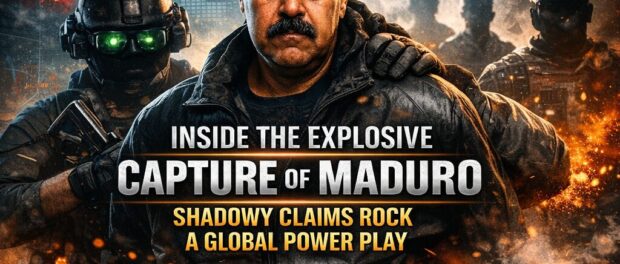
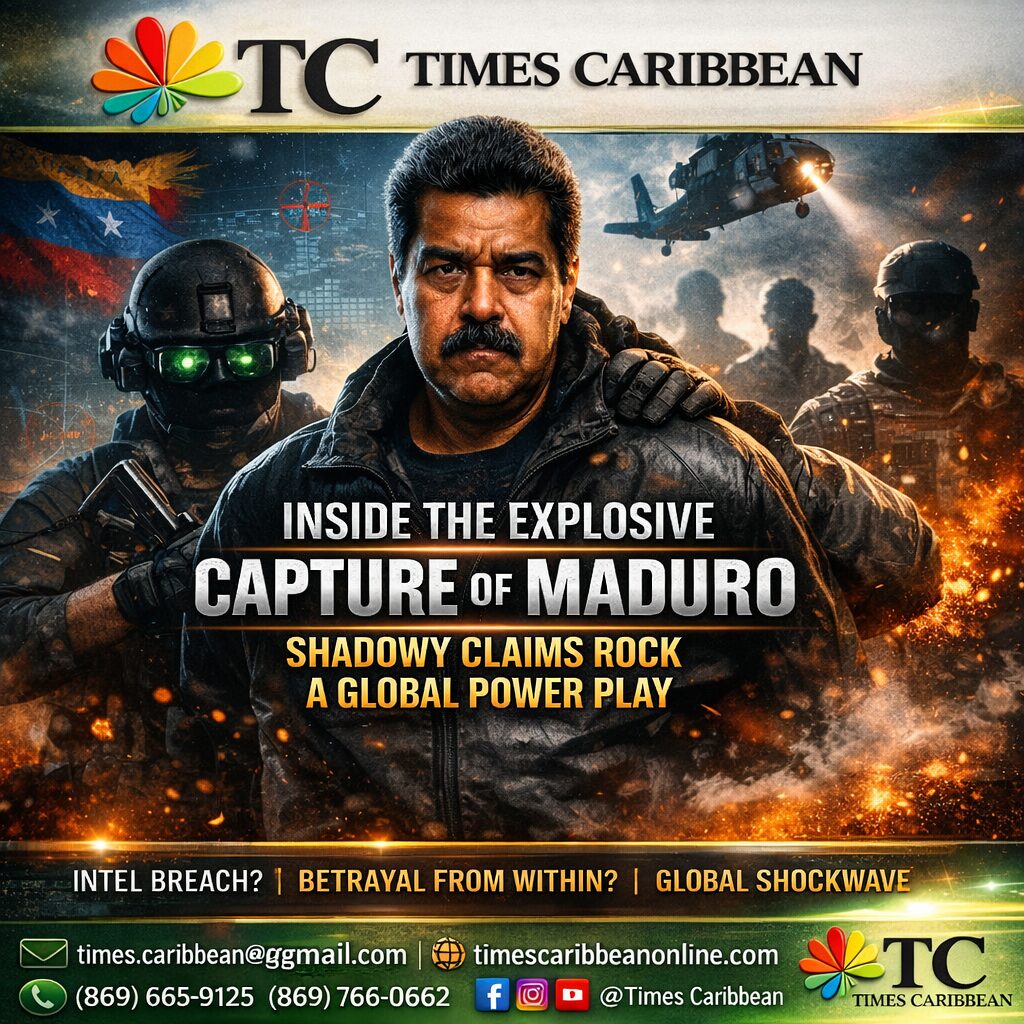
BETRAYAL AT THE TOP? Inside the Explosive Capture of Nicolás Maduro — And the Shadowy Claims Rocking a Global Power Play
By Times Caribbean Investigative Desk
The dramatic January 3, 2026 capture of Venezuela’s embattled leader Nicolás Maduro was always destined to be controversial. But now, as whispers of betrayal swirl and questions intensify, the operation is taking on an even darker, more explosive dimension—one that raises troubling concerns about loyalty, intelligence warfare, and the brutal calculus of global power.
A Raid That Shocked the World
In the pre-dawn hours of January 3, forces under the command of Donald Trump executed what has been described as one of the most audacious military operations in modern history—a full-scale extraction mission inside Caracas.
The mission, dubbed Operation Absolute Resolve, involved coordinated airstrikes, cyber warfare, and elite units including Delta Force storming Maduro’s heavily fortified compound.
Within minutes, Maduro and his inner circle were overwhelmed and flown out of Venezuela to face narcoterrorism charges in the United States.
Global reaction was swift—and deeply divided. Critics labeled it an outright violation of sovereignty, while supporters framed it as long-overdue justice.
The Intelligence Question: Inside Job or Strategic Myth?
Here’s where the narrative becomes murky—and dangerously speculative.
There is confirmed reporting that the operation relied heavily on months of intelligence gathering, including human sources and surveillance of Maduro’s movements and routines.
But claims now circulating—suggesting betrayal by Maduro’s personal driver and close security personnel in exchange for a massive reward—remain unverified.
Yes, the U.S. had previously offered multi-million-dollar rewards for information leading to Maduro’s arrest, part of longstanding narcotics indictments. However:
- There is no confirmed evidence that insiders directly “sold him out”
- No official confirmation that specific individuals facilitated the raid for payment
- No verified report that a promised reward was denied after the operation
What is clear is this:
human intelligence (HUMINT) played a decisive role, and in regimes built on fear and loyalty, that always raises the specter of betrayal—real or perceived.
Reward Politics: A Dangerous Precedent?
The controversy over alleged unpaid rewards—while not substantiated—touches on a deeper geopolitical reality.
If insiders did cooperate under the expectation of payment, and were later denied compensation, it raises critical questions:
- Can intelligence systems built on financial incentives be trusted?
- Does shifting from law enforcement to military action void such agreements?
- What message does this send to future informants worldwide?
Former intelligence operatives, including figures like Larry Johnson, have publicly warned that abandoning informants could have long-term consequences for U.S. intelligence credibility—though such claims remain part of broader commentary rather than confirmed findings.
A Power Shift with Global Consequences
Since Maduro’s capture, Venezuela has entered a volatile transition phase.
Delcy Rodríguez has assumed power, with the U.S. moving swiftly to normalize relations, reopen its embassy, and re-engage economically—particularly in the oil sector.
But beneath the surface, questions remain:
- Was this a military strike… or regime change?
- Was Maduro outmaneuvered externally… or undermined internally?
- And most chilling of all—who can a leader trust when power itself becomes currency?
The Bigger Picture: Trust, Power, and Survival
Whether or not the betrayal narrative proves true, the Maduro saga underscores a brutal truth of geopolitics:
In high-stakes power struggles, loyalty is often transactional—and sometimes temporary.
The capture of a sitting president by foreign forces is rare.
The possibility that it may have been aided by those closest to him?
That’s the kind of story that reshapes not just governments—but the psychology of power itself.
**Because in the end, the most dangerous threat to any regime… may not come from outside—but from within.**
















Leave a comment
You must be logged in to post a comment.