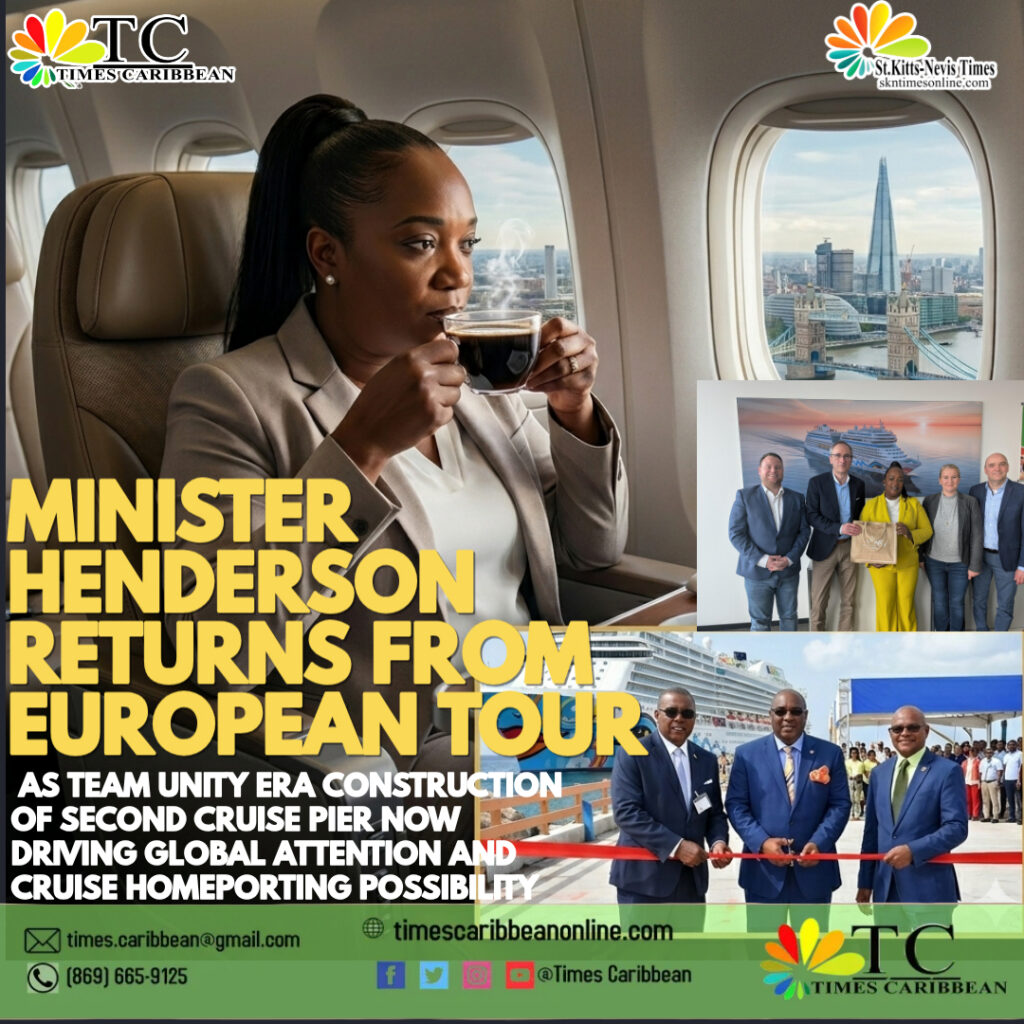
MINISTER HENDERSON RETURNS FROM EUROPEAN TOUR-AS PM DR. TIMOTHY HARRIS-LED TEAM UNITY ERA CONSTRUCTION OF SECOND CRUISE PIER NOW DRIVING GLOBAL ATTENTION AND HOMEPORTING POSSIBILITY
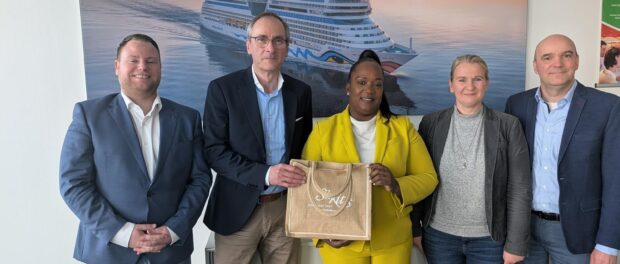
BASSETERRE, ST. KITTS — Minister of Tourism, the Honourable Marsha Henderson, has returned to the Federation following a high-level European tour aimed at strengthening St. Kitts’ position in the global tourism marketplace.
But as government officials tout fresh engagements and promising signals from key European partners, a deeper and more consequential truth is emerging: the current surge in cruise interest and the growing possibility of homeporting are not new developments — they are the direct payoff of a bold, strategic investment made years ago.
At the center of that transformation is the construction of the second cruise pier, a move widely regarded as one of the most visionary infrastructure decisions in the modern tourism history of St. Kitts and Nevis.
That project, spearheaded and delivered under the Dr. Hon. Timothy Harris-led Team Unity Administration, was completed within the first four years of governance — by 2019 — despite skepticism, fiscal pressures, and regional competition.
Today, its impact is undeniable.
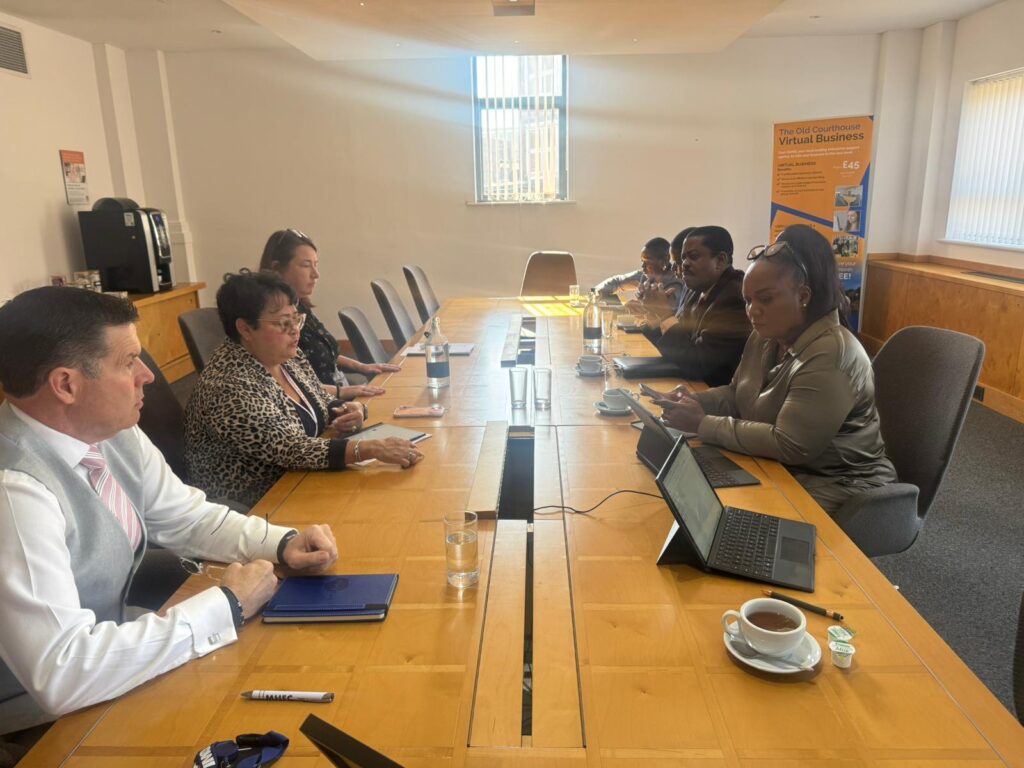
Minister Henderson, accompanied by the Deputy CEO of the St. Kitts Tourism Authority and Mr. Calvin Duggins, COO of SCASPA, engaged with major cruise lines, diaspora representatives, and Europe-based tourism partners during the recent tour.
Among the highlights: St. Kitts currently ranks third out of 18 ports for Costa Cruises, placing the Federation among the elite destinations in one of Europe’s most influential cruise markets.
“St. Kitts continues to rank strongly among cruise lines… We remain focused on strengthening our role as a turnaround port and will continue executing a holistic development strategy,” Henderson stated.
Yet industry insiders are clear — without the second cruise pier, these conversations would not be happening at this level.
The expansion of Port Zante through the addition of a second pier fundamentally changed the game. It allowed St. Kitts to accommodate multiple mega cruise vessels simultaneously, increased passenger capacity, and elevated the island from a secondary stop to a serious contender in the regional cruise hierarchy.
More importantly, it laid the physical and logistical foundation required for homeporting — a far more lucrative model that drives hotel occupancy, airlift expansion, provisioning services, and widespread economic activity across multiple sectors.
“The infrastructure came first. Everything else we are seeing now is a result of that foresight,” one tourism stakeholder noted.
The presence of SCASPA’s COO on the European mission further underscores the ongoing alignment between port infrastructure, airport readiness, and tourism strategy — all critical elements made possible by the groundwork laid years earlier.
Equally, engagements with the diaspora highlight a growing recognition of nationals abroad as strategic partners in driving visitor traffic and strengthening destination branding.
Still, as the current administration advances its tourism agenda, the narrative is increasingly difficult to ignore:
the platform being promoted today was built yesterday.
The second cruise pier — once debated, questioned, and even criticized — is now proving to be the single most decisive factor behind St. Kitts’ elevated standing among global cruise operators and its emerging viability as a turnaround port.
As the Federation positions itself for an even more competitive future in tourism, one reality stands firm:
St. Kitts is now reaping the rewards of vision, execution, and bold leadership — a legacy project that continues to deliver returns long after its completion.
















Leave a comment
You must be logged in to post a comment.