Sint Maarten Steps Up Border Protection as Nature Foundation and Ministry of Justice Launch Major Biosecurity Initiative
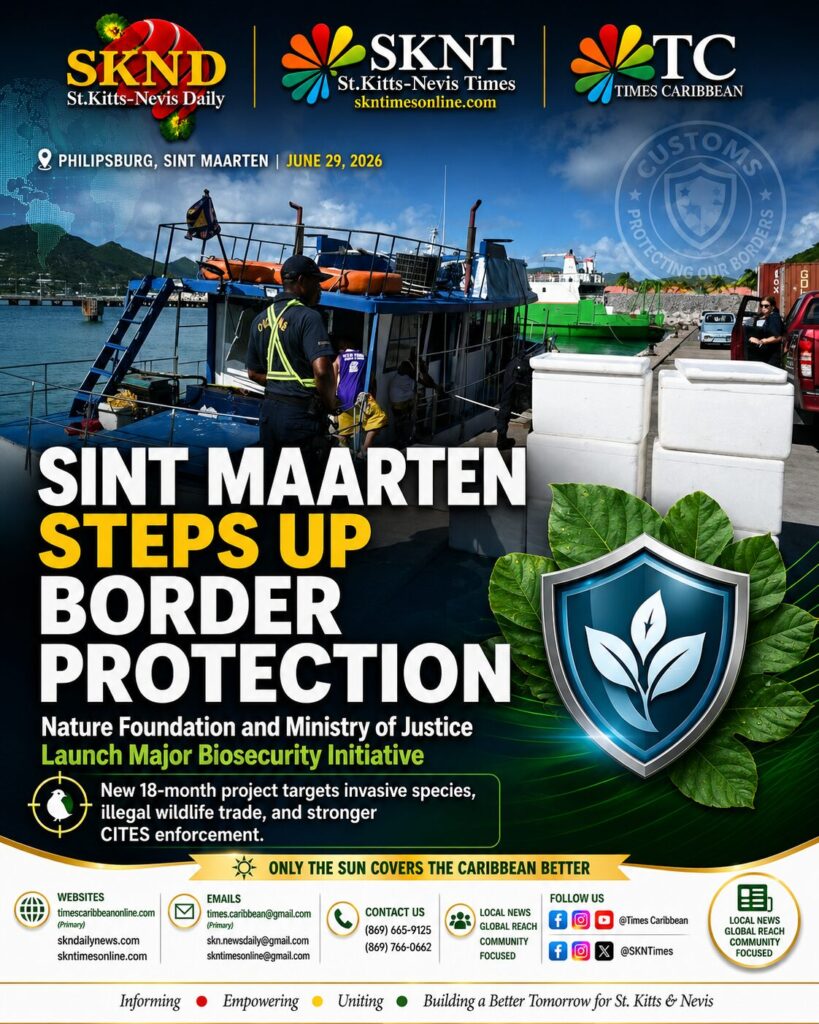
New 18-month project targets invasive species, illegal wildlife trade, and stronger CITES enforcement
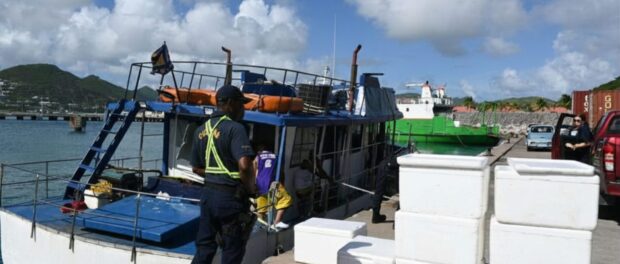
PHILIPSBURG, Sint Maarten, June 29, 2026 — Sint Maarten has launched a major new biosecurity initiative aimed at strengthening the country’s ability to protect its borders, safeguard its natural environment, and respond more effectively to the growing threat of invasive species and illegal wildlife trade.
The Nature Foundation Sint Maarten (NFSXM) and the Ministry of Justice have officially launched the Protection through Biosecurity Project: A Strategic Initiative for Sint Maarten, an 18-month programme designed to improve national coordination, strengthen enforcement capacity, and support the implementation of key international biodiversity agreements, including the Convention on International Trade in Endangered Species of Wild Fauna and Flora (CITES).
The initiative comes at a time when small island states across the Caribbean face increasing pressure from climate change, expanding trade routes, tourism activity, and the movement of goods and species across borders. For Sint Maarten, which functions as a regional hub with high volumes of imported goods, the challenge is particularly urgent.
Minister of Justice Nathalie Tackling said the project reflects a broader understanding of national protection — one that includes both public safety and environmental security.
“Invasive species and illegal wildlife trade are increasingly putting our marine life and local communities at risk. For me, protecting our borders also means protecting our natural environment from threats that can have lasting consequences for our island. This initiative reflects our commitment to protecting the very ecosystems and natural resources that we all depend on,” Minister Tackling stated.
A Growing Threat to Island Ecosystems
Biosecurity has become one of the most important environmental and border-protection issues for island territories. Invasive species can severely disrupt local ecosystems, damage agriculture, threaten marine habitats, and place pressure on native wildlife. Once introduced, these species can be extremely difficult and costly to control.
Illegal wildlife trade is another growing concern. Sint Maarten’s position as a transport and commerce hub means that enforcement officers must remain vigilant in monitoring species and products moving through the country. Some of the most common species and wildlife products imported or exported from Sint Maarten that fall under CITES protections include queen conch, caviar, and several bird species.
CITES covers more than 36,000 species worldwide, making enforcement highly specialized and complex. For small island jurisdictions with limited resources, this creates a serious capacity challenge for border-control agencies, customs officers, environmental authorities, and enforcement partners.
Nature Foundation Director Leslie Hickerson said the new initiative is designed to make Sint Maarten more resilient by improving early detection, prevention, and coordination.
“Biosecurity is about protecting Sint Maarten’s people, economy, and natural resources from risks that often go unnoticed until significant damage has already occurred. By strengthening CITES implementation and improving coordination between local and regional stakeholders, we are investing in a more resilient future for the island,” Hickerson said.
New Biosecurity Officer to Strengthen National Response
A central feature of the project will be the appointment of a dedicated Biosecurity Officer within the Nature Foundation Sint Maarten.
The officer will work closely with local and regional enforcement agencies to provide technical support, coordinate training opportunities, and support stronger regional action. This role is expected to help improve the country’s ability to detect, prevent, and respond to biosecurity threats while building long-term national capacity for biodiversity protection.
The project will also focus on strengthening cooperation among stakeholders involved in protecting Sint Maarten’s borders and natural resources, including enforcement agencies, environmental authorities, and regional partners.
European Union-Supported Biodiversity Protection
The Protection through Biosecurity Project is funded by BESTLIFE2030, a granting mechanism focused on preserving and restoring biodiversity in the European Union’s outermost regions and Overseas Countries and Territories.
These territories are home to rich biodiversity but also face growing threats from climate change, habitat degradation, invasive species, and increasing environmental pressures.
The project is co-funded by the European Union. Views and opinions expressed are those of the authors only and do not necessarily reflect those of the European Union or CINEA. Neither the European Union nor the granting authority can be held responsible for them.
A Strategic Move for Sint Maarten’s Future
For Sint Maarten, the launch of this initiative signals a stronger national commitment to environmental protection as part of border security and long-term resilience.
By targeting invasive species, illegal wildlife trade, and gaps in CITES implementation, the Nature Foundation and Ministry of Justice are positioning biosecurity as a critical part of the country’s future development strategy.
In an island economy deeply connected to tourism, marine life, trade, and natural beauty, the message behind the project is clear: protecting Sint Maarten’s borders also means protecting its biodiversity, its economy, and the well-being of its people.
















Leave a comment
You must be logged in to post a comment.