AFTER 4 YEARS OF FAILURE: DREW UNVEILS DESPERATE RELIEF PACKAGE AND SCRAMBLES TO ANNOUNCE TAX CUTS AS ELECTION CLOCK TICKS
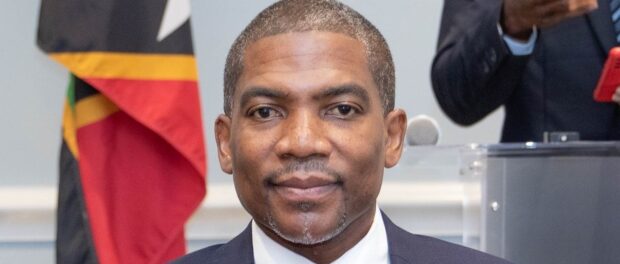
LAST-MINUTE RELIEF OR ELECTION-YEAR RESCUE? DREW GOVERNMENT UNLEASHES TAX CUTS AS 2026 POLLS LOOM
BASSETERRE, ST. KITTS — With elections constitutionally due in 2027 but widely expected as early as later this year, Prime Minister Dr. Terrance Drew has ignited what critics are calling a full-scale re-election campaign disguised as economic relief, rolling out a suite of tax and cost-of-living measures in a nationally broadcast address that has instantly polarized the nation.
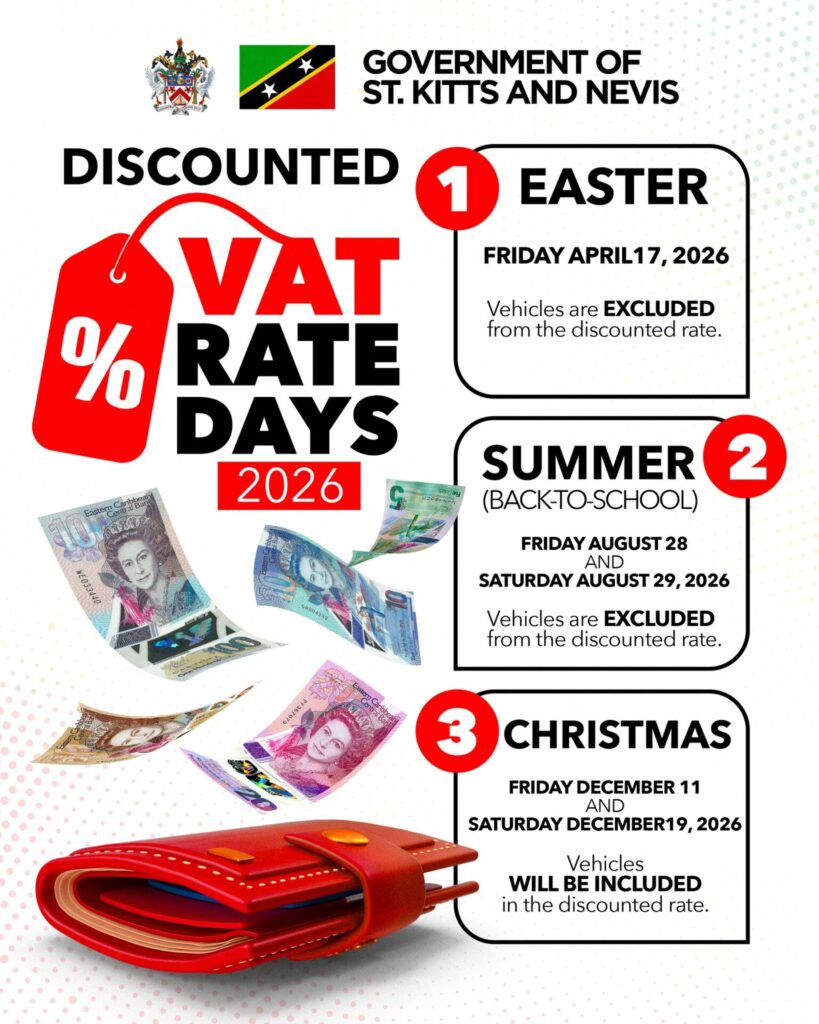
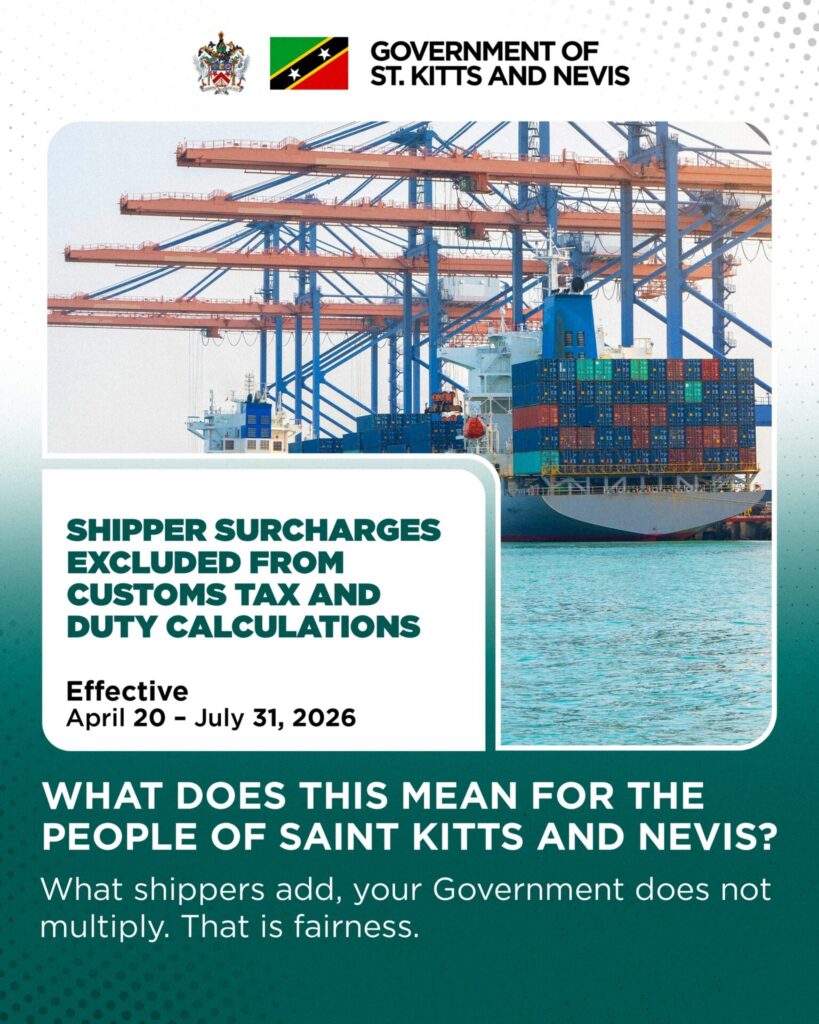
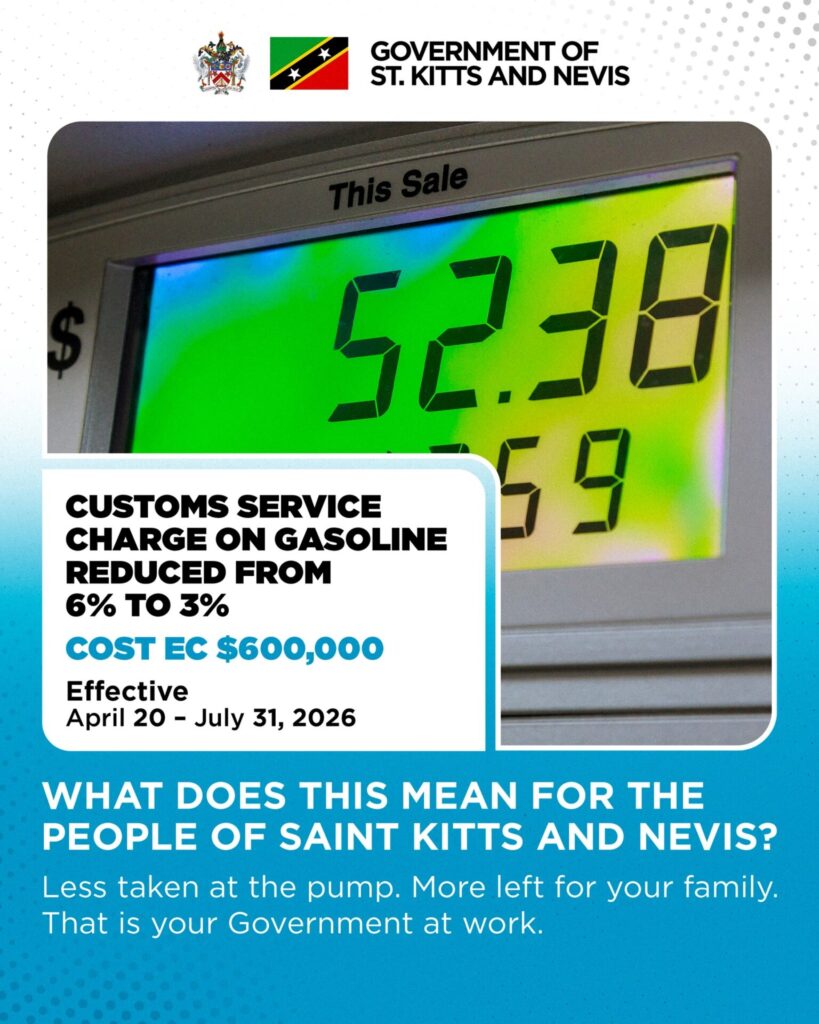
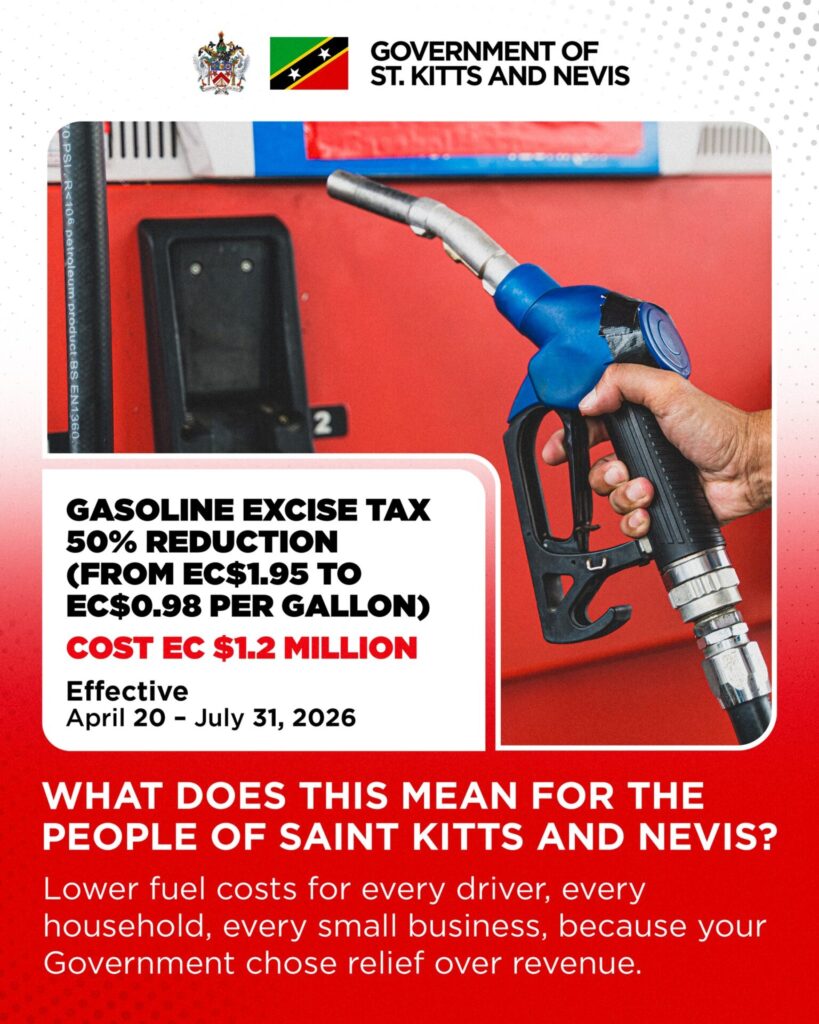
At the center of the announcement are headline-grabbing policy shifts—temporary reductions in fuel-related taxes and the exclusion of shipper surcharges from customs duty calculations—measures the Government of Saint Kitts and Nevis says will bring immediate relief to struggling households and businesses.
But across the political and public spectrum, a far more explosive narrative is taking hold.
WHY NOW?
After nearly four years in office, critics argue that the administration is only now moving decisively on issues it identified from day one—cost of living, fuel prices, and economic pressure—raising the unavoidable question:
Why did it take this long?
The newly announced measures, effective from April 20 to July 31, 2026, include:
- Removal of shipper surcharges from customs tax and duty calculations
- Reduction of the customs service charge on gasoline from 6% to 3%
- A 50% cut in gasoline excise tax, slashing it from EC$1.95 to EC$0.98 per gallon
Government messaging frames these moves as bold, people-first decisions—costing millions in foregone revenue—but critics say the timing tells a different story.
A GOVERNMENT UNDER PRESSURE
With fuel prices having surged in recent years and the cost of living dominating national discourse, many citizens have grown increasingly frustrated with what they describe as slow responses and unmet promises.
Now, as political winds shift and election speculation intensifies, the sudden rollout of relief measures is being interpreted by some as a desperate attempt to reset the narrative.
“This is not policy—it’s politics,” one observer bluntly stated. “You cannot preside over rising costs for years and then, months before a likely election, attempt to buy goodwill with temporary relief.”
SHORT-TERM RELIEF, LONG-TERM QUESTIONS
While there is little doubt that consumers may feel some immediate benefit at the pump and at the port, economists and analysts are already questioning the sustainability and depth of the measures.
Will businesses actually pass on the savings?
Will global fuel price volatility erase the gains?
And most critically—what happens after July 31?
For many, the concern is that these initiatives, while impactful on paper, may prove to be temporary political fixes rather than structural economic solutions.
THE RE-ELECTION CALCULUS
There is also a broader political reality at play. With elections constitutionally due in 2027 but widely anticipated sooner, the Drew administration appears to be shifting into campaign mode, using policy as both shield and sword.
The national address, coupled with these announcements, signals what many believe is the beginning of a high-stakes battle for public confidence—one that will be fought not just on promises, but on performance.
A NATION WATCHING CLOSELY
As the dust settles, one thing is certain: the people of St. Kitts and Nevis are paying attention.
Relief—no matter how timed—is welcomed.
But trust, once tested, is far harder to restore.
And in an election year atmosphere, every policy, every promise, and every price at the pump will be weighed not just in dollars—but in credibility.
Because in the end, the question is not just what is being given now—
but why it wasn’t done sooner.
















Leave a comment
You must be logged in to post a comment.