U.S. SUBMARINE SINKS IRANIAN WARSHIP: 87 BODIES RECOVERED OFF SRI LANKA IN DRAMATIC NAVAL ESCALATION
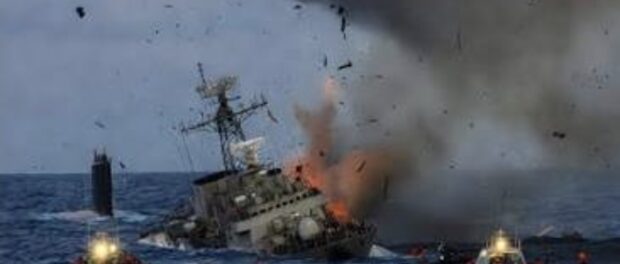
Galle, Sri Lanka — A shocking naval confrontation in the Indian Ocean has triggered international alarm after Sri Lanka confirmed that its naval forces recovered at least 87 bodies of Iranian sailors following the sinking of an Iranian warship by a United States submarine near the island nation’s southern coast.
According to Sri Lankan authorities, the Iranian naval vessel — identified as the — was struck by a torpedo launched from a U.S. Navy submarine roughly 40 nautical miles south of the coastal city of .
The attack has been described by U.S. officials as a historic moment in modern naval warfare, marking the first time an American submarine has sunk an enemy warship using a torpedo since .
The deadly strike has left dozens dead, many missing, and has raised fears that hostilities between the United States and Iran are now spilling into major international shipping lanes far beyond the Middle East.
Bodies Recovered as Massive Rescue Operation Unfolds
Sri Lankan naval officials confirmed Wednesday that search-and-rescue teams have recovered 87 bodies from waters scattered with debris, oil slicks and lifeboats.
Rescue crews also managed to pull at least 32 Iranian sailors from the sea, many of whom were suffering from injuries, dehydration and exposure.
Survivors were rushed to hospitals in , where medical personnel are continuing to treat those rescued from the sinking vessel.
Authorities believe as many as 180 crew members may have been aboard the frigate when it was struck.
If confirmed, the current death toll could still rise dramatically as rescue operations continue across the vast stretch of ocean where the ship went down.
Distress Call Before the Warship Disappeared
Sri Lankan officials say the Iranian vessel issued a distress signal in the early hours of Wednesday, triggering an emergency maritime response under international search-and-rescue conventions.
When Sri Lankan naval and air force units reached the location, they encountered a grim scene.
Instead of a functioning vessel, responders found:
- floating life rafts
- injured sailors struggling in the water
- burning debris
- oil spreading across the surface of the sea.
The frigate had already sunk beneath the waves, leaving only fragments of wreckage scattered across the ocean.
Officials emphasized that Sri Lanka’s role was strictly humanitarian.
“We responded under our international obligations to assist vessels in distress,” a Sri Lankan naval spokesperson said, stressing that the country was not involved in the military incident itself.
Historic Naval Strike by U.S. Submarine
The attack itself represents a rare and dramatic naval engagement in modern warfare.
U.S. Defence Secretary described the sinking as an unprecedented event in contemporary military history.
According to U.S. officials, it marks the first confirmed instance since World War II in which a United States submarine has destroyed an enemy warship using a torpedo.
Submarine warfare played a decisive role during World War II, but such direct naval engagements between major powers have been extremely rare in the decades since.
The incident therefore represents a stunning escalation in maritime conflict dynamics.
Iranian Warship Had Just Participated in Major Naval Exercises
The frigate had recently taken part in several high-profile international naval events before its destruction.
Among them were:
These exercises involved multiple regional and international naval forces operating in the Bay of Bengal, highlighting the vessel’s recent visibility in international maritime activities.
After completing the drills, the frigate reportedly continued operations in the Indian Ocean when the fatal encounter occurred.
Rising Tensions Across Global Waters
The sinking of the Iranian warship comes amid rapidly intensifying tensions involving the United States, Israel, and Iran, with several Iranian military assets reportedly targeted in recent days.
Analysts warn that the latest incident could mark a dangerous expansion of the conflict beyond the Middle East, potentially drawing global shipping lanes and neutral waters into the theatre of confrontation.
The Indian Ocean — one of the world’s most vital maritime trade corridors — carries billions of dollars in energy and cargo shipments each day, making any military escalation in the region a serious international concern.
Diplomatic Fallout Expected
As of Wednesday evening, the government of had not yet issued an official public response regarding the loss of the warship or the fate of its sailors.
Diplomatic observers expect sharp condemnation and potential retaliation, as Tehran assesses the scale of the incident.
Meanwhile, officials in have reiterated that their involvement was limited solely to humanitarian rescue operations.
A Potential Turning Point in Naval Warfare
Beyond the immediate tragedy, military experts say the sinking may represent a turning point in modern naval conflict, demonstrating that submarine warfare remains a powerful and decisive force in contemporary geopolitics.
The fact that a U.S. submarine was able to destroy a modern frigate with a single torpedo underscores the continuing dominance of undersea warfare capabilities.
For now, rescue teams continue to comb the waters south of , searching for survivors — and recovering the remains of sailors lost in one of the most dramatic naval incidents in recent years.
#Travel #Caribbean #trendingnow #timescaribbean #newstoday #SaintKitts #Nevis #Jamaica #Barbados #Guyana #Trinidad #Grenada #SaintLucia #Bahamas #India #news #globalconflict
















Leave a comment
You must be logged in to post a comment.