IN LOVING MEMORY: BASSETERRE REMEMBERS THE GREAT FLOOD OF 1880 — 146 YEARS ON
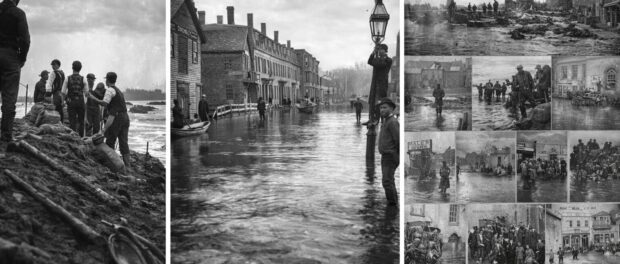
BASSETERRE, ST. KITTS — One hundred and forty-six years ago, on the night of Sunday, January 11, 1880, Basseterre was plunged into one of the darkest chapters in its recorded history. A catastrophic flood swept through the capital in the dead of night, claiming dozens of lives, erasing entire families, and forever altering the physical and emotional landscape of the town.
Today, the nation pauses in solemn remembrance of the men, women, and children who perished in that tragedy. A silent witness to their memory stands at , just opposite the , where a pink obelisk was erected to honour all those who lost their lives in the Great Flood of 1880.
A Night That Changed Basseterre Forever
According to records preserved at the National Archives, Sunday, January 11, 1880 began deceptively calmly. The day was described as fine, punctuated by only scattered showers. By 5:00 p.m., the air grew unusually warm. Then, shortly after 9:00 p.m., an intense cold set in, followed by light rain that briefly ceased.
By 11:00 p.m., however, the skies opened mercilessly.
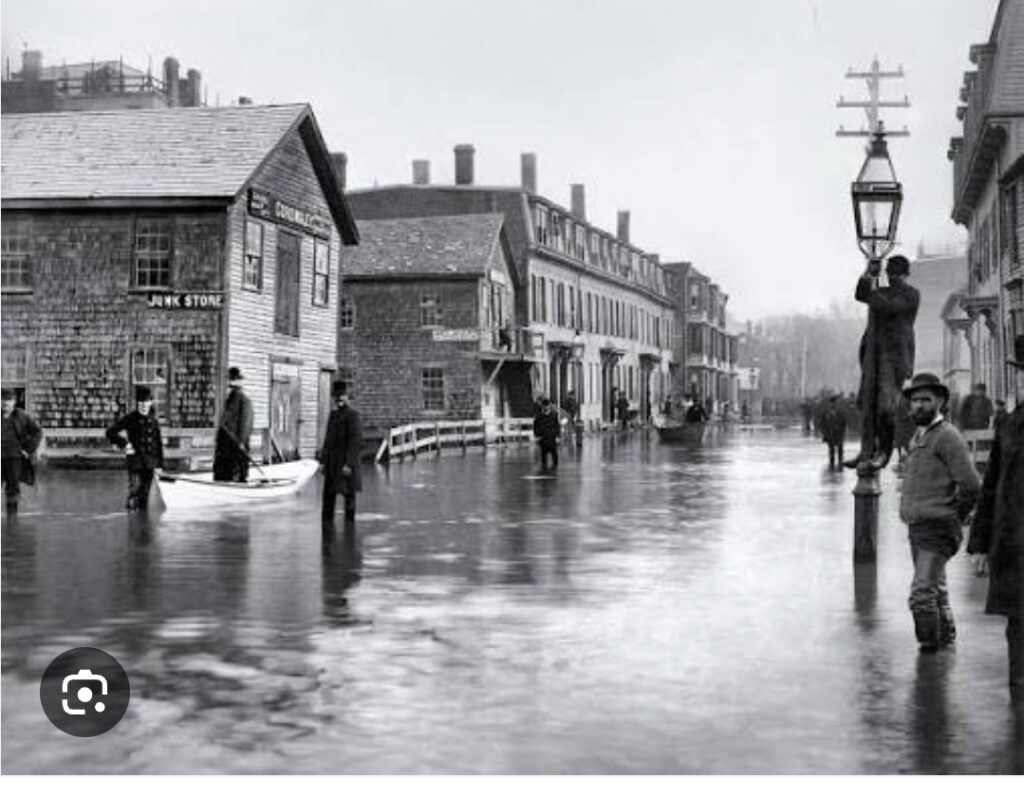
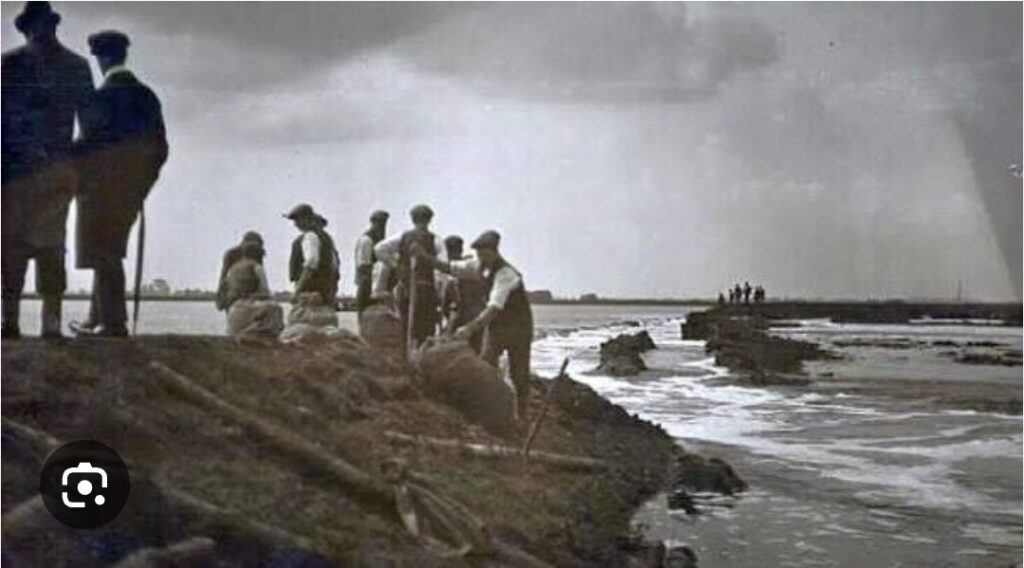
Rain fell unabated until 3:00 a.m. on January 12, under conditions described as intensely dark. The streets of Basseterre quickly became torrents as water levels surged, driven by the overflowing Fountain and Olivees rivers. Water from the Fountain River inundated College Estate, while the Olivees River carved a destructive path through Shadwell, gouging deep furrows into Monkey Hill and Olivees Mountain.
College Street: Ground Zero of Grief
Nowhere was the devastation more severe than College Street. Protective walls collapsed under the force of the raging waters. Properties belonging to Dr. A. P. Boon and neighbouring households were buried under thick layers of gut sand.
Here, tragedy reached biblical proportions.
David Taylor, a carpenter, perished along with his wife Esther, Esther’s mother, and their nine children. Nearby, another carpenter, Frank Burgundy, his wife Henrietta, and their children were also swept away — entire families extinguished in moments.
King’s Ground Reduced to Woe
At King’s Ground, west of the New Market — once described as a “hotbed of vice” — the flood left chaos and death in its wake. The western wall of the market was badly damaged. The home of Lazarus Titley was torn from its foundation. The house of Samuel R. Carey was annihilated as Carey attempted to save his wife and daughter; both were carried away by the rushing waters.
John Thomas Crooke, having just rescued a friend, lost his footing and was himself swept to his death.
Market Street, The Square and The Bay Front
At Gut Market (Market Street), Elizabeth Somarsall and her son narrowly escaped with their lives but lost their home — one that had already endured previous floods. Losses at Market Street ran into the hundreds of pounds.
Across The Square, mounds of sand concealed bodies believed to be victims attempting to reach the Courthouse for refuge. Along the Bay Front, the aftermath was apocalyptic: hogsheads of coal, barrels, boxes, puncheons, and wrecked merchandise littered the shoreline. The Treasury Building, the wharves, and several major business establishments suffered extensive damage.
A Story of Survival Amid the Sea
Among the most haunting yet miraculous accounts is that of Margaret Vanderpool and her son George, whose small home on the Bay was washed away with them inside. George, having learned to swim in Irish Town, managed to cling to a floating door and helped his mother do the same as they were carried out to sea.
Five miles offshore, Margaret was rescued near Old Road by James Bristol and others. Upon learning her son was still missing, Bristol returned to the sea and rescued an exhausted young boy — George. Two days later, Margaret gave birth to a baby girl she named Flodine, a living symbol of life emerging from catastrophe.
Others were not as fortunate. Bodies were later found washed ashore in St. Eustatius, where the Governor ordered Christian burials for the unknown dead.
Those Who Perished: Names Recorded from the Flood of 1880
From Inspector Thomas’ official list of the dead and missing, published February 2, 1880.
Found and Buried – 12 January 1880 (Total: 42)
- Martha Robinson
- Anna Gumbs
- Ann Elizabeth Phillips
- Eliza Guy
- Catherine Garride
- Ann Jemima Shephard
- Sarah Ann Thomas
- Madeline Phipps
- Margret Pringleton
- Minna Burgundy
- Alfred Burgundy
- Sarah A. Elizabeth Peters
- Sarah Fitzgerald
- Baby Burt
- Ralph Shepherd
- Joseph Garnet
- Thomas Suden
- Anna Matthews
- Mary Ann Matthews
- Martha Shepherd
- John Matthews
- Edward Holligan
- James Pringle
- Ida Lapsley
- Sarah Ann Berkeley
- William Percival
- Elisha Fenton
- Jane Walters
- 7 bodies not recognised
13 January 1880 (Total: 14)
- Theodore Garvey
- Samuel Phillips
- Arthur Richards
- Judy Thomas
- Mary Taylor
- Lucy Ann Thomson
- Ann Wattley
- Robert Beard
- Letitia Nias
- Christiana Gumbs
- Mrs. Beard
- Caroline Smith
- Theodosia Garvey
- 1 male child unknown
14 January 1880 (Total: 25)
- Agnes Garnet
- Charles Phipps (boy)
- Charles Phipps (father)
- Jeannette Peters (pregnant)
- Elvira Gumbs
- Edwin Byrd
- Elizabeth Richard
- Frances Ann Amory
- Mulder (boy)
- Caroline Benjamin
- Sarah Benjamin
- Nancy Glasford
- Charles Phipps
- Bodies unknown: 7 women, 3 boys, 2 girls
15–20 January 1880
- William Thompson
- George Robinson
- Mary Harris
- Sarah Garnet
- Rachel Miers
- John Thomas
- Lydia Gordon
- Several women and children unknown
Total interred and buried: 93
A Nation’s Duty to Remember
Most of the victims were residents of Basseterre. The Moravian Church maintains a memorial to members of its congregation lost in the flood, while the Springfield Cemetery monument stands as a national symbol of mourning, resilience, and remembrance.
One hundred and forty-six years later, the Great Flood of 1880 is not merely a historical event — it is a reminder of vulnerability, faith, and the enduring responsibility to honour those whose lives were taken without warning.
May they continue to rest in peace.

















Leave a comment
You must be logged in to post a comment.