GRENADA AT A CROSSROADS: U.S. MILITARY BASE REQUEST REIGNITES OLD WOUNDS AND NEW WARNINGS
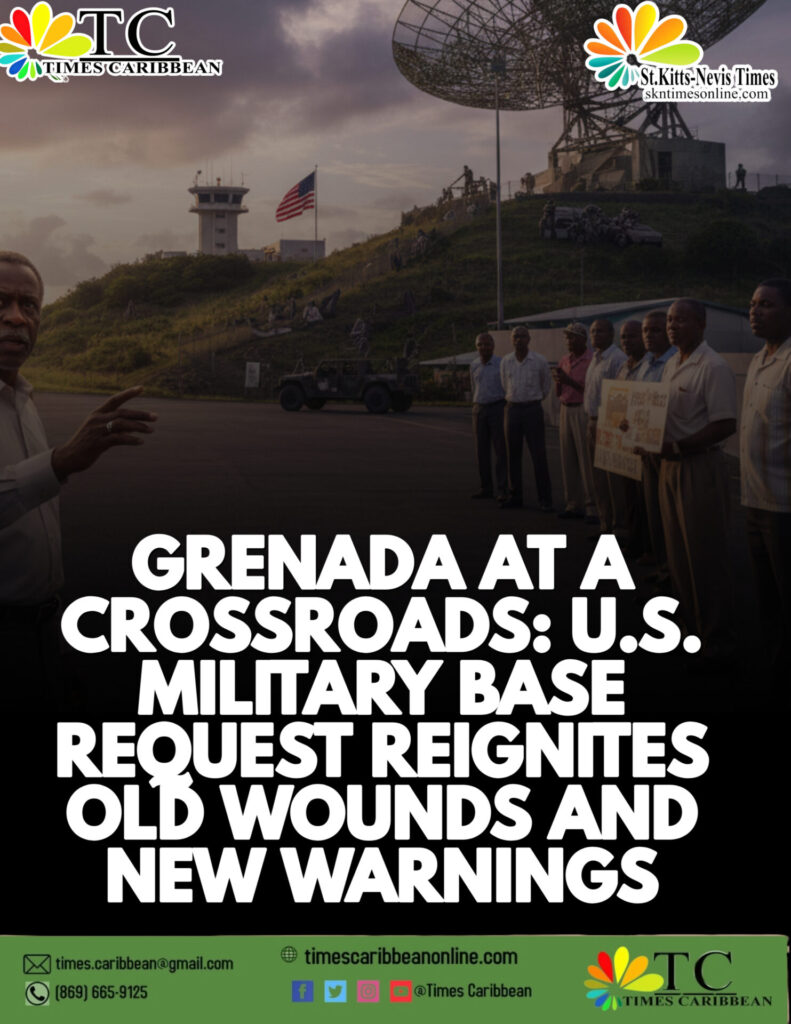
As Washington eyes a radar installation in Grenada to monitor Venezuela, labour titan Chester Humphrey warns that the island risks being drawn into another imperial conflict — one echoing the trauma of the 1983 invasion.
The Shadow of 1983 Returns
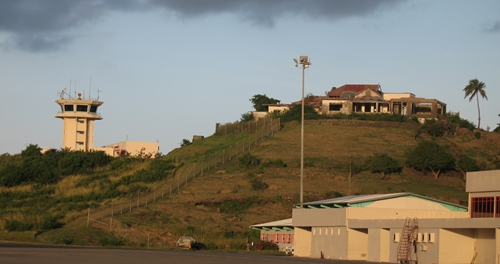
Forty-two years after American troops stormed the beaches of Grenada, the tiny “Spice Isle” once again finds itself in Washington’s military crosshairs. Reports confirm that the United States has formally asked the Dickon Mitchell administration for permission to establish a radar base at Maurice Bishop International Airport — a move officially framed as part of an anti-narcotics campaign but viewed by many as a prelude to conflict with Venezuela, just 100 miles to the south.
A Veteran Voice of Warning
Leading the resistance is veteran trade unionist and former Senate President Chester Humphrey, who accuses the Trump-era State Department of misleading Grenadians about its true intentions.
“The Americans have a history of deception before going to war,” Humphrey told journalist Calistra Farrier. “They lied about Iraq. They lied when they invaded Grenada. This one tops them all.”
Humphrey argued that Washington’s “drug-interdiction” justification masks a much broader strategy of military encirclement, pointing to the buildup of U.S. destroyers, F-16 jets, and even a nuclear-class vessel off Venezuela’s coast.
The Irony of the Airport
For Grenadians, the symbolism is inescapable. The same airport that the United States once claimed was a “Soviet runway” now figures in an American request for its own radar operations. “They told the world our airport was for communist aggression,” Farrier noted during the broadcast. “Now it’s the Americans who want to militarize it.”
Soft Power, Hard Pressure
Humphrey believes the groundwork for compliance is already being laid through subtle economic coercion — from the reported cancellation of Grenada’s finance minister’s U.S. visa to threats of banning Grenadian fish exports.
“That was all softening up the ground,” he declared. “You don’t send nuclear submarines to chase fishing boats. This is gunboat diplomacy, plain and simple.”
Regional Unease in a “Zone of Peace”
Grenada’s Foreign Ministry says the proposal is under “careful review” and insists any decision will respect national sovereignty. Yet the request comes amid regional anxiety. CARICOM and OECS members have long described the Caribbean as a Zone of Peace; now that principle appears under threat.
Trinidad and Tobago and Guyana — both close geographic neighbors of Venezuela — have already endorsed U.S. operations to “combat narco-trafficking,” a stance Humphrey condemns as “joining somebody else’s war.”
“Venezuela Has Helped Us”
The labour leader reminded viewers of Venezuela’s tangible aid — fuel under the PetroCaribe programme, scholarships, and post-hurricane support.
“Venezuela has not harmed us,” he said. “To turn our backs on a friend and align with a power that once invaded us would be a betrayal of our forefathers.”
A Caribbean Flashpoint in the Making
The radar proposal thrusts Grenada into the center of a high-stakes geopolitical contest between Washington and Caracas. Analysts warn that accepting the base could make the island a forward outpost in any confrontation — and an instant target if tensions escalate into open conflict.
For many Grenadians, the issue is about far more than a radar dome on a hill. It is about sovereignty, memory, and survival. And as Chester Humphrey’s fiery appeal gains momentum, the question confronting Prime Minister Dickon Mitchell’s government is stark:
Will Grenada once again become a pawn in someone else’s war — or will it stand firm as a truly independent voice in the Caribbean’s zone of peace?
















Leave a comment
You must be logged in to post a comment.