REMEMBERING A STATESMAN: ST. KITTS AND NEVIS HONOURS THE LIFE AND LEGACY OF SIR CALEB AZARIAH PAUL SOUTHWELL 47 YEARS AFTER HIS PASSING

As the Federation of Saint Kitts and Nevis reflects on a month deeply intertwined with the memories of some of its most influential nation-builders, May 18, 2026 marks the 47th anniversary of the passing of one of the country’s most respected political architects and labour pioneers — The Right Excellent Sir Caleb Azariah Paul Southwell.
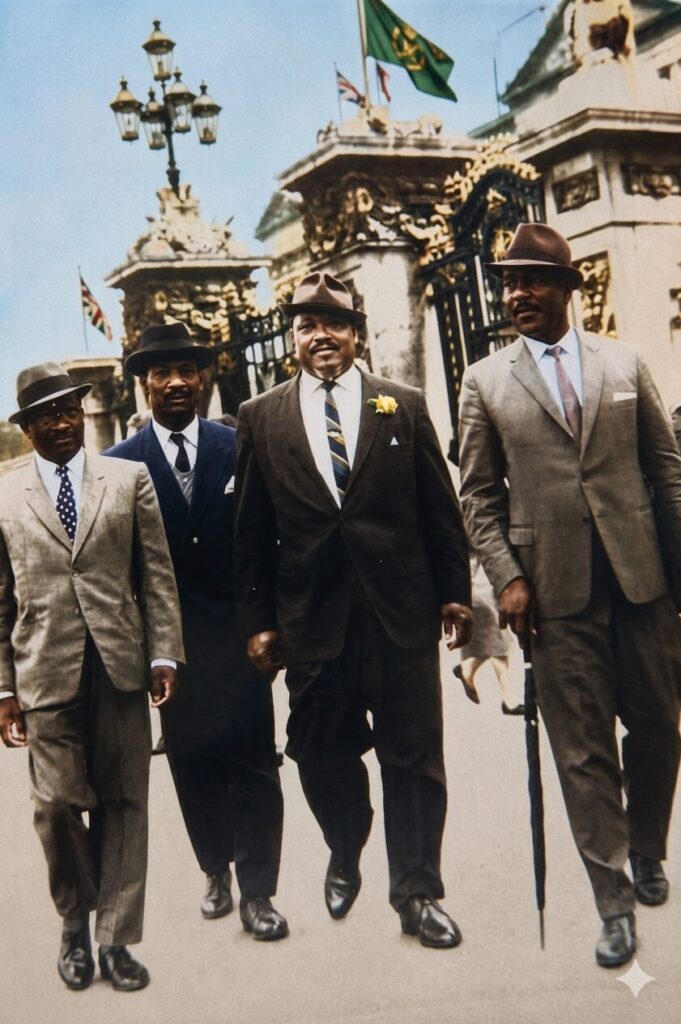
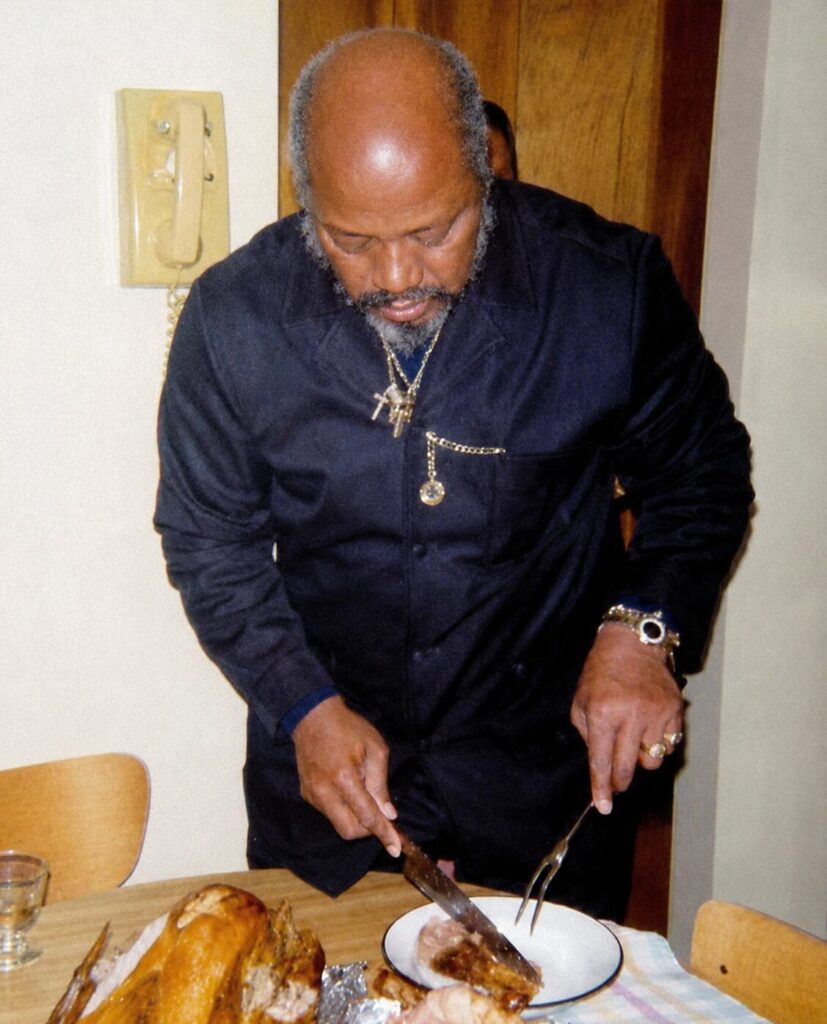
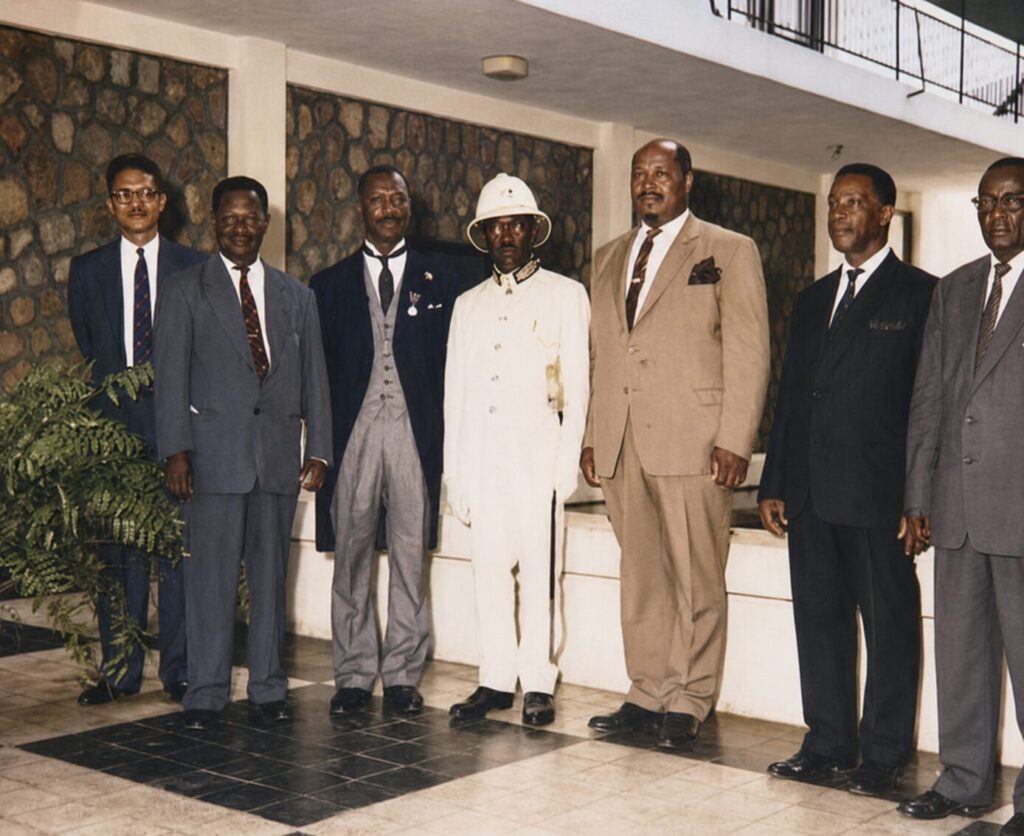
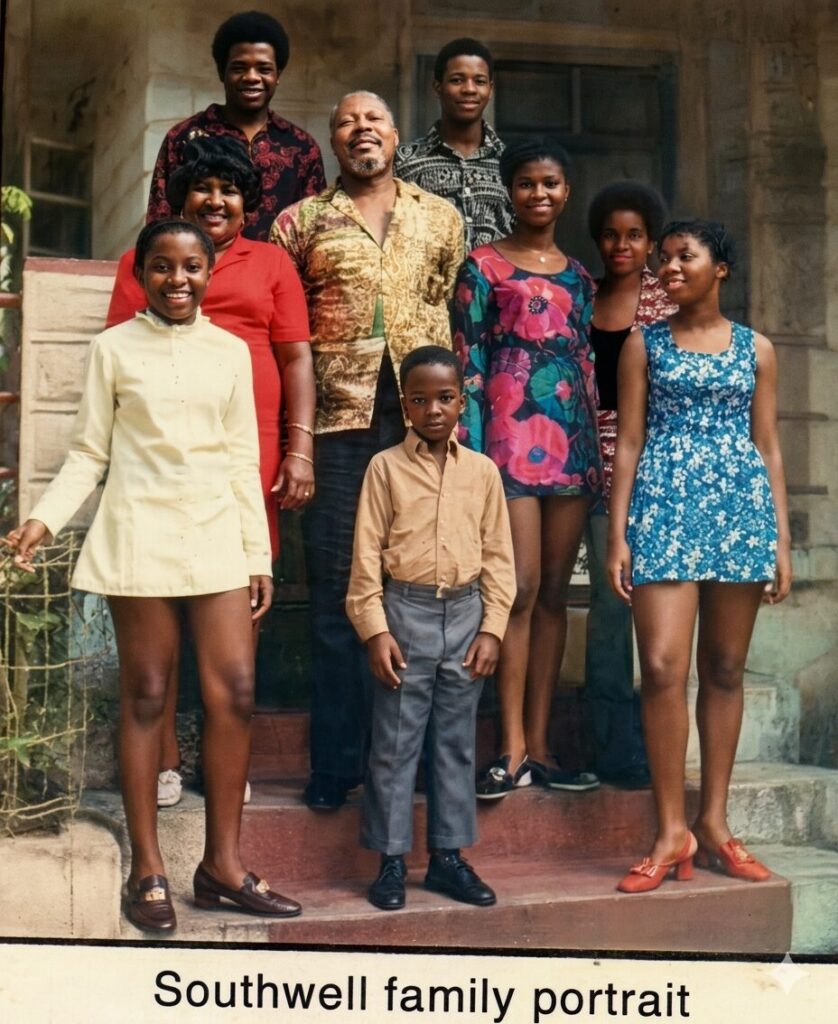
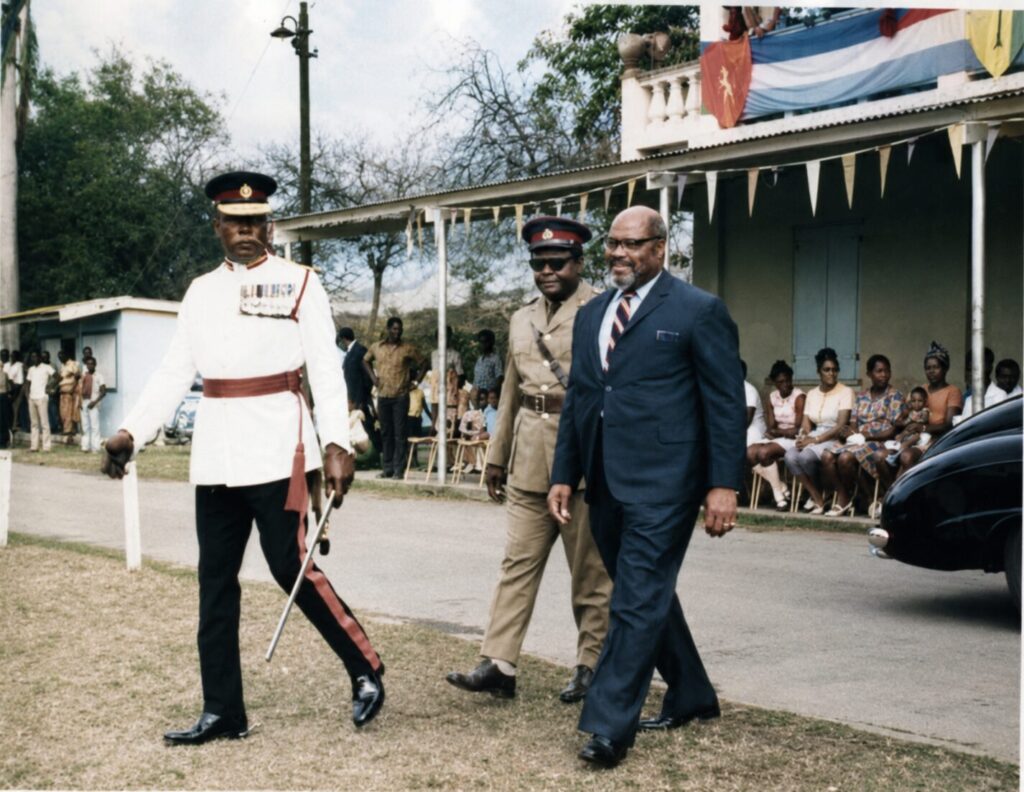
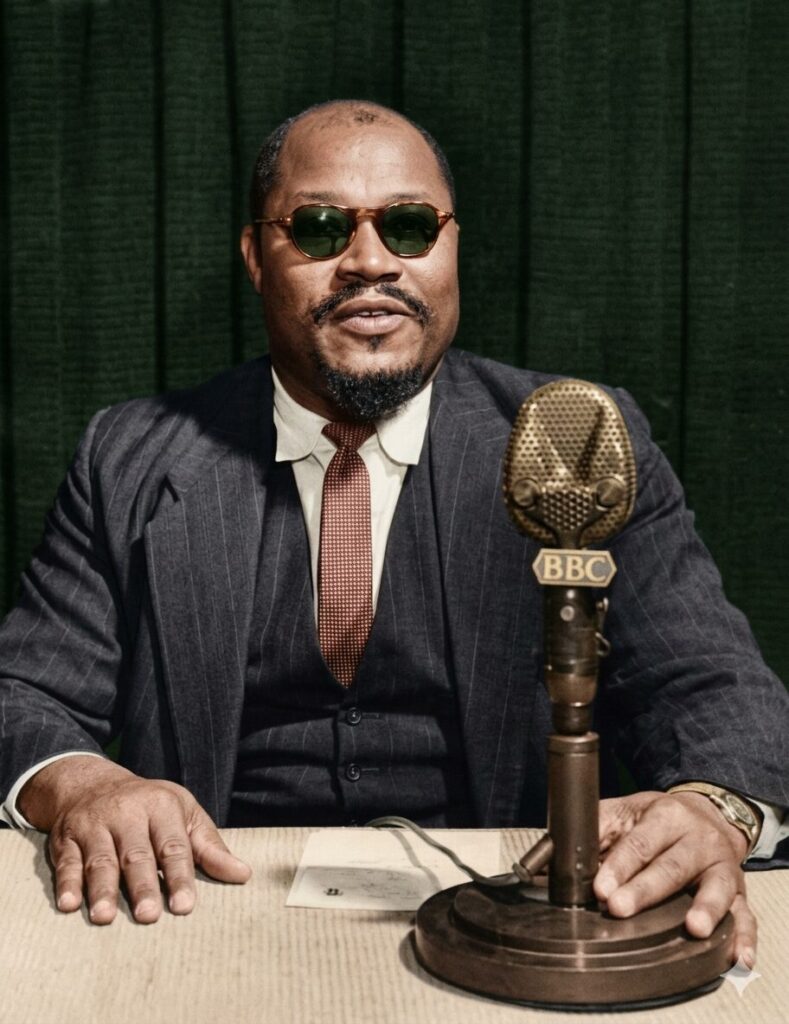

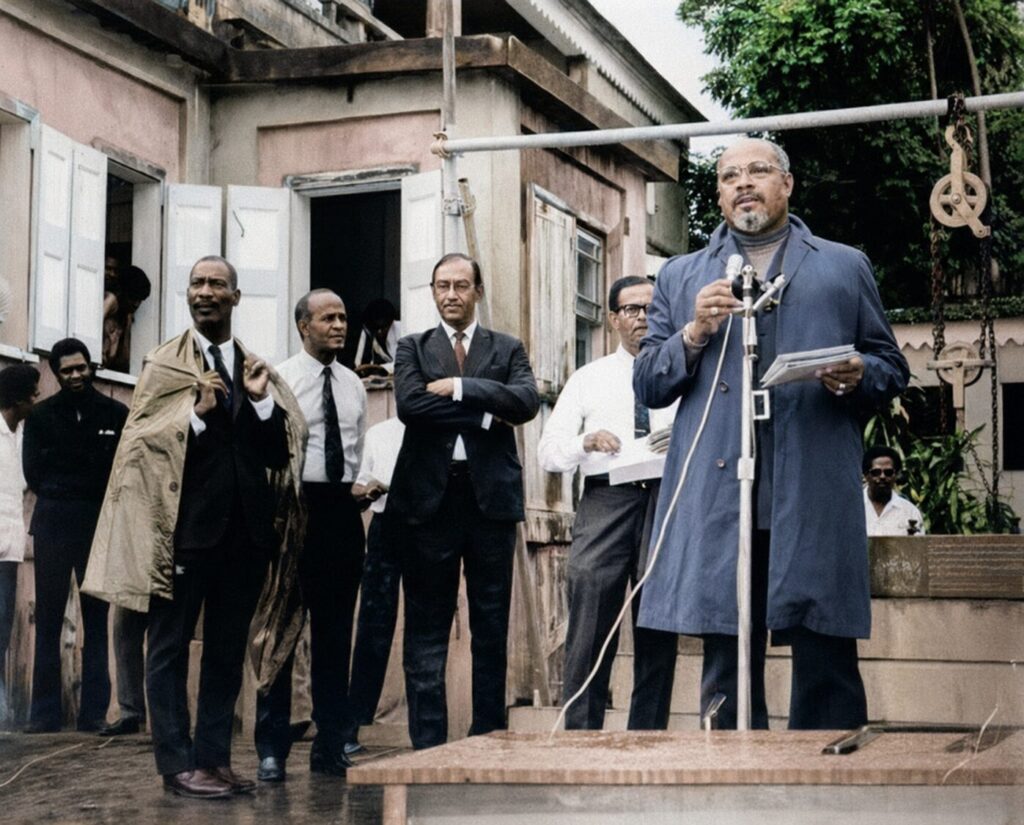
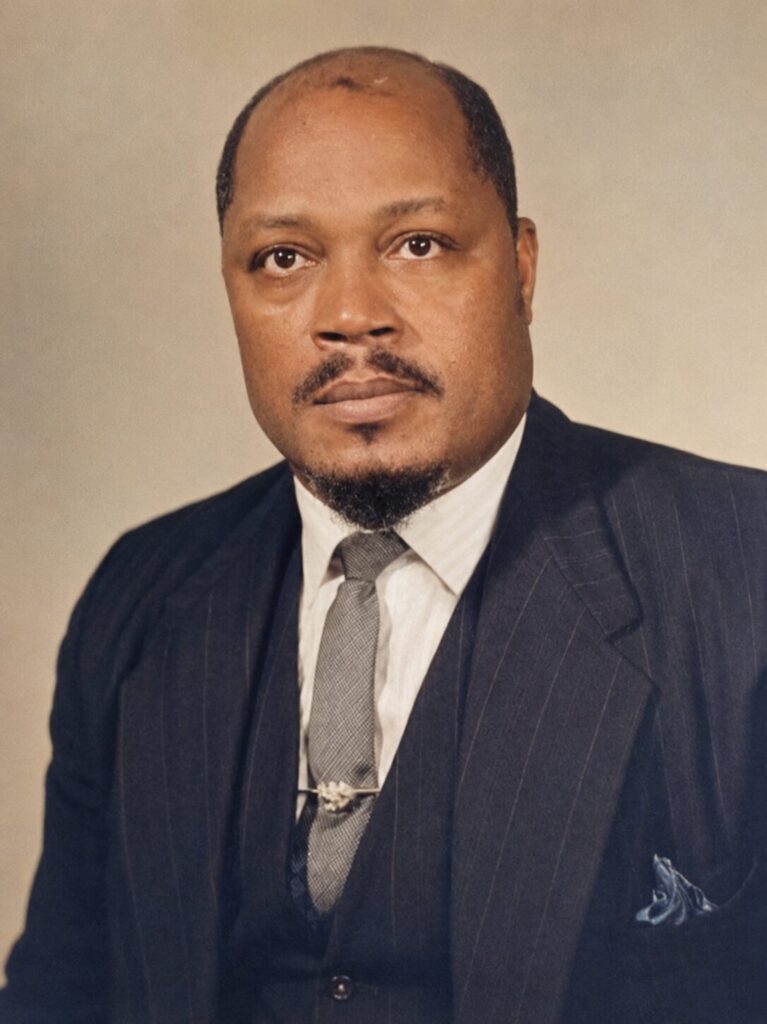
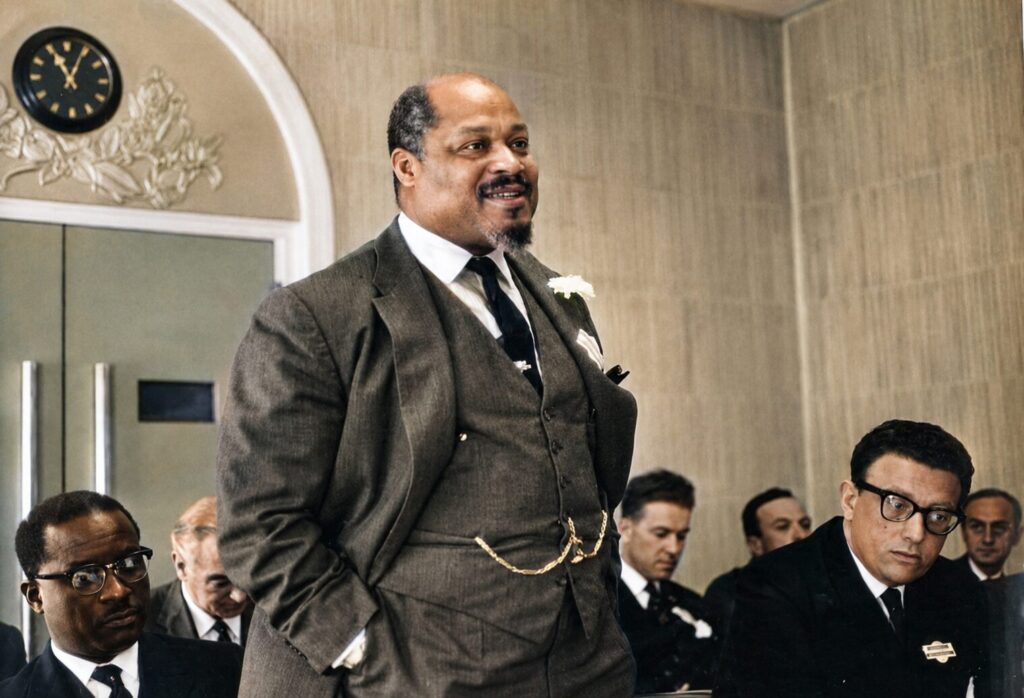
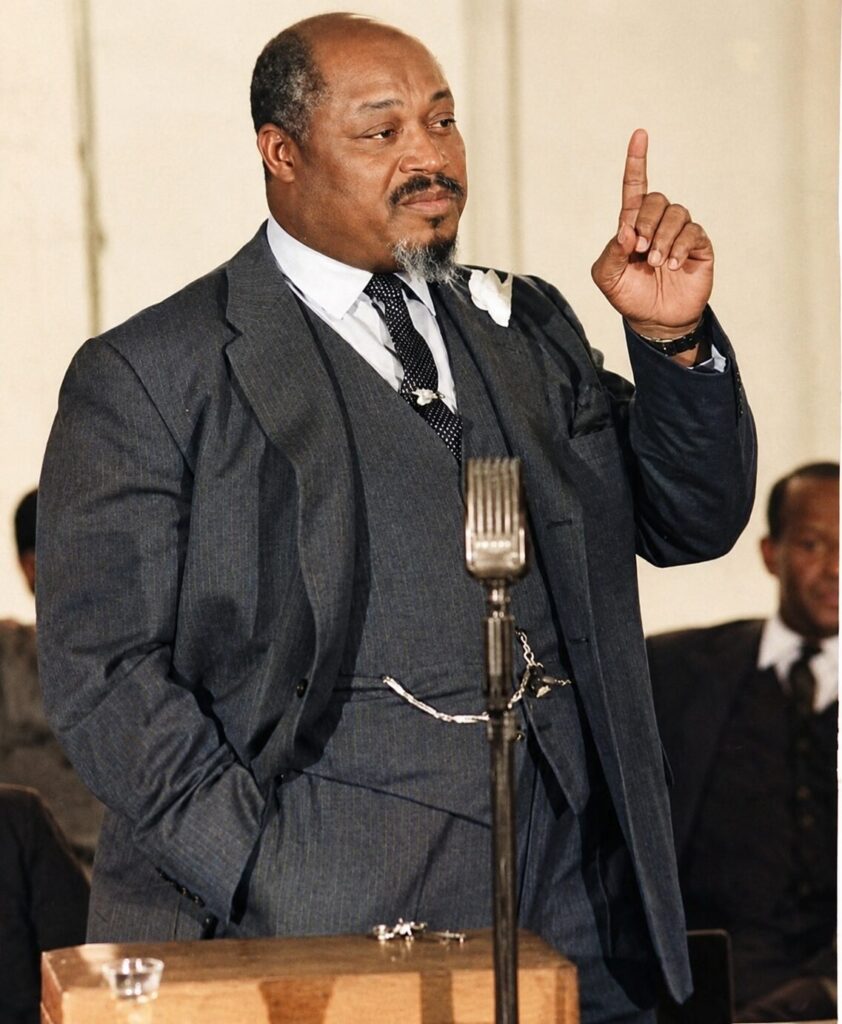
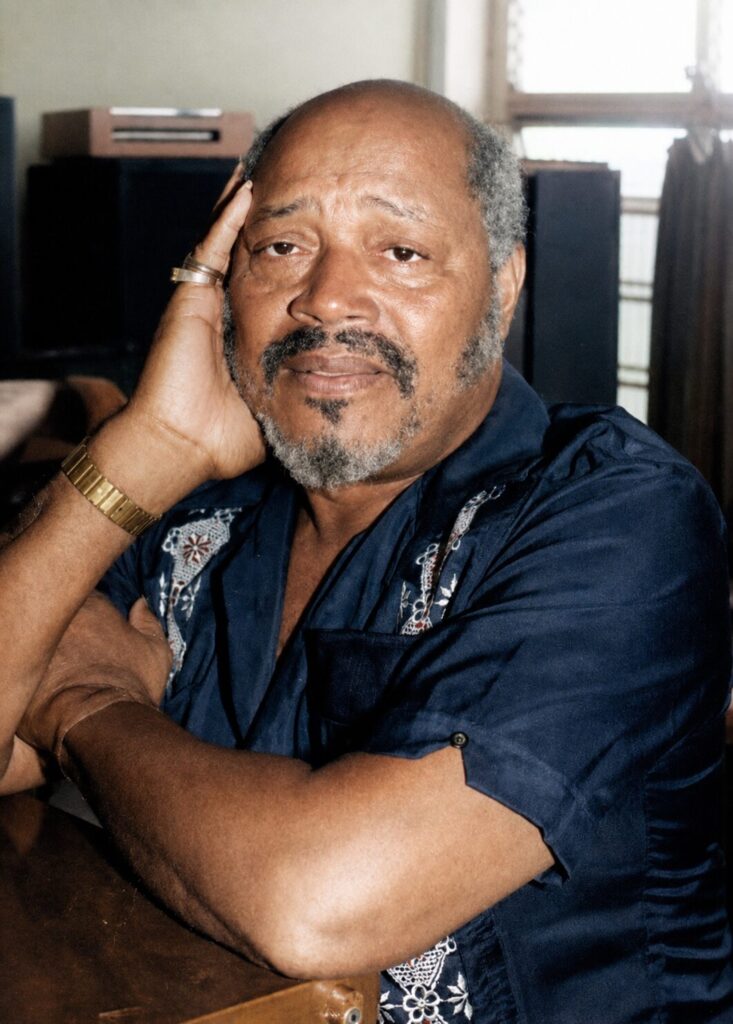
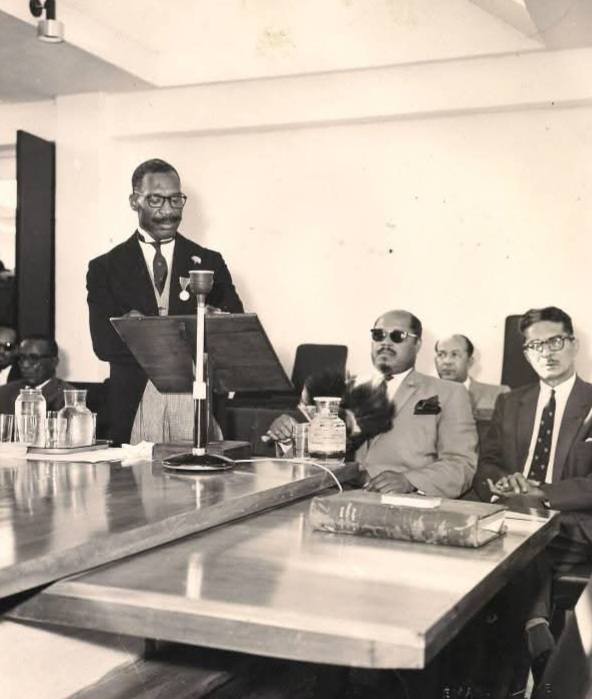
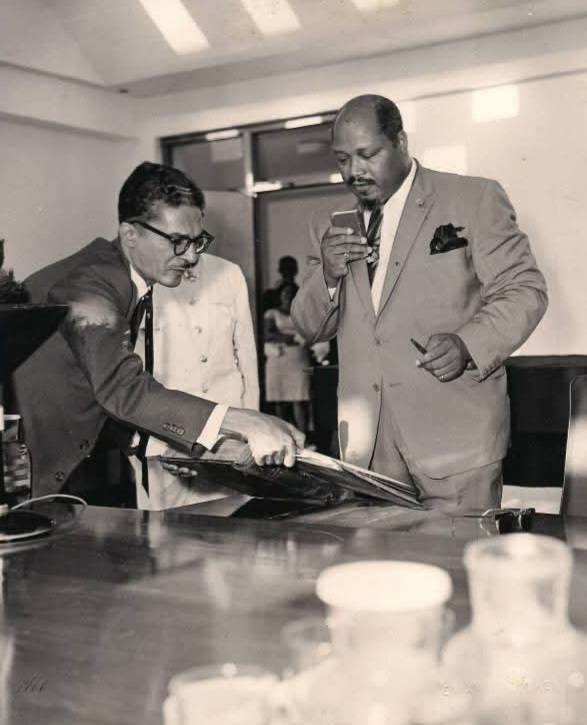
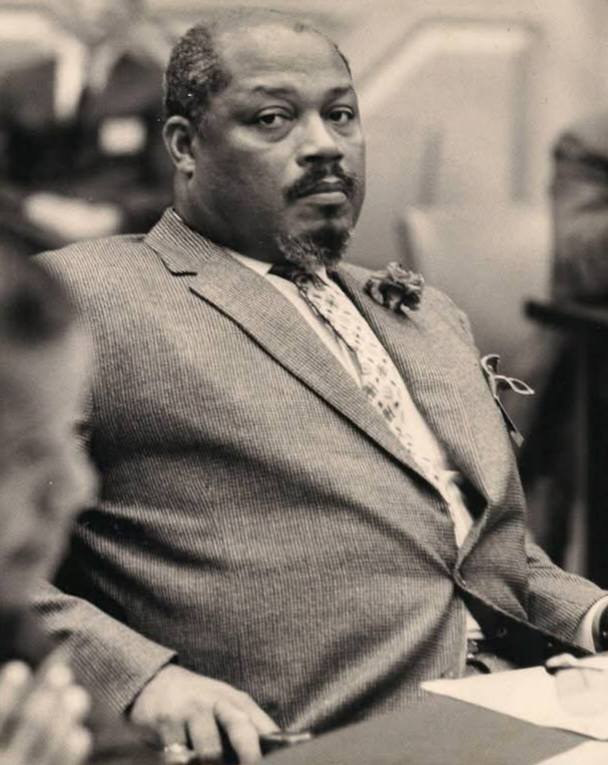
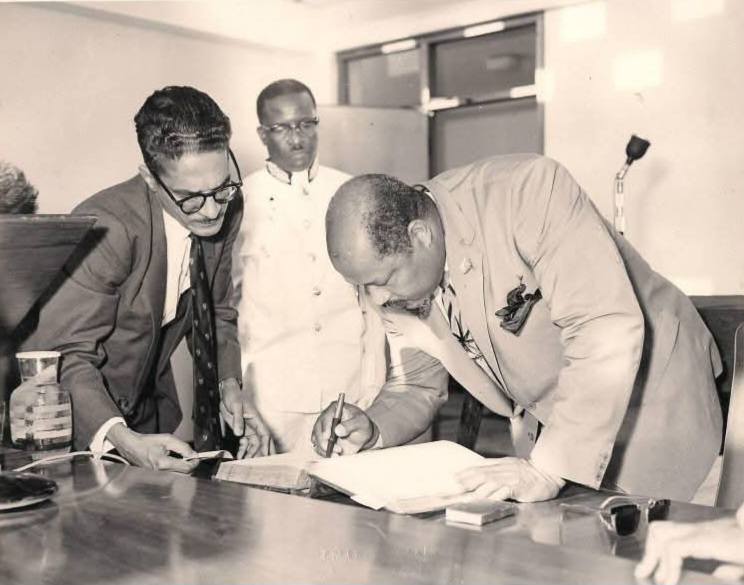
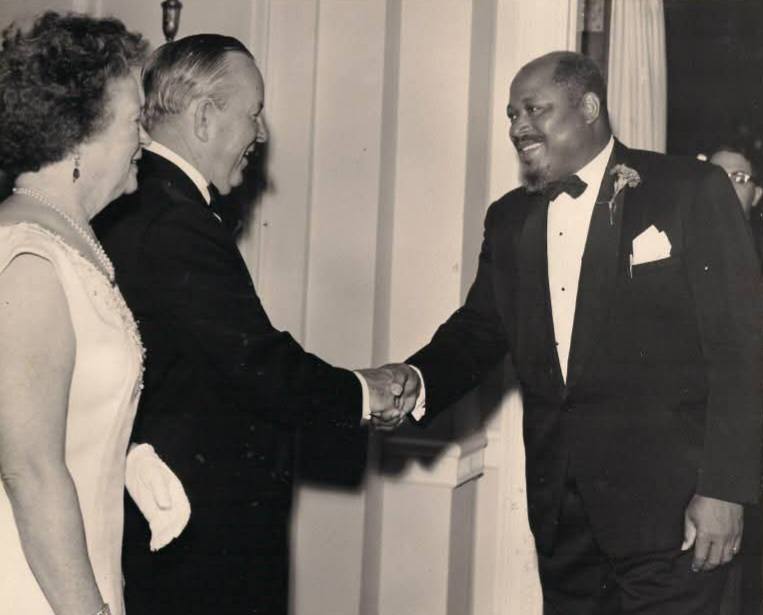
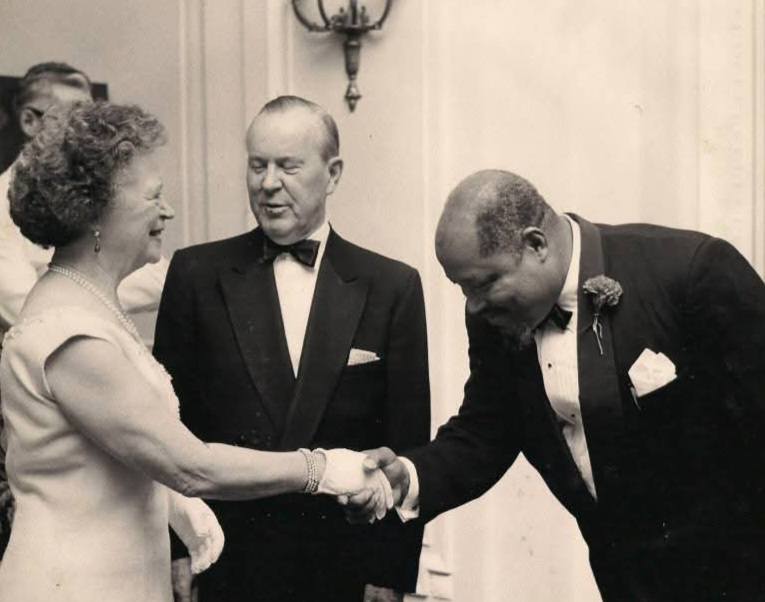
Sir Caleb Southwell died on May 18, 1979, leaving behind a legacy of discipline, sacrifice, public service, labour advocacy and regional leadership that helped shape the modern political and social foundations of St. Kitts and Nevis.
Nearly five decades later, historians, political observers, labour advocates and citizens continue to recognize Southwell as one of the indispensable pillars of the federation’s journey toward nationhood, democracy and regional cooperation.
FROM DOMINICA TO THE HEART OF KITTITIAN POLITICS
Born in Dominica on July 18, 1913 to Joseph and Amelia Southwell, Caleb Southwell’s life story reflected the determination and resilience of a generation of Caribbean people who rose from modest beginnings to become transformational leaders.
At just 13 years old, he became a teacher before later joining the Leeward Islands Police Force in 1938. His police service took him across several islands including Antigua, Montserrat and St. Kitts-Nevis-Anguilla.
Observers often note that this early exposure to the realities of colonial Caribbean society helped shape Southwell’s understanding of governance, labour conditions and regional identity.
After retiring from the police force in 1944, Southwell entered the sugar industry at the St. Kitts (Basseterre) Sugar Factory, working as a timekeeper and assistant stock clerk. It was during this era — amid widespread labour unrest and social inequality — that Southwell became deeply involved in organized labour and grassroots politics.
A GIANT OF THE LABOUR MOVEMENT
Sir Caleb joined the St. Kitts-Nevis Trades and Labour Union and the Workers League in 1946, organizations that would later become central to the political transformation of the federation.
His rise within the labour movement was swift and influential.
Southwell remained Vice President of the Union from 1946 until his death in 1979 — a remarkable testament to his enduring influence and loyalty to workers’ causes.
Political historians often describe the post-war labour movement in St. Kitts and Nevis as the engine that transformed colonial-era governance into mass political participation. Alongside towering figures such as Sir Robert Llewellyn Bradshaw and Sir Joseph Nathaniel France, Southwell emerged as one of the movement’s most stabilizing and strategic leaders.
While Bradshaw was often viewed as the fiery mass mobilizer, many political observers regarded Southwell as the calm administrator, consensus-builder and disciplined organizational strategist behind much of Labour’s institutional development.
RISE THROUGH GOVERNMENT
Southwell’s parliamentary career formally began in 1952 when he was first elected to the Legislative Council of St. Kitts-Nevis-Anguilla.
By 1955, he had been appointed to the Executive Council, and in 1956 became the first Minister of Communications and Works.
His political ascent continued rapidly.
In 1960, Sir Caleb Southwell became the first Chief Minister of St. Kitts-Nevis-Anguilla — a landmark moment in the constitutional development of the territory.
Throughout the 1960s and 1970s, Southwell held several critical portfolios under successive Bradshaw administrations, including Finance, Trade, Development, Industry and Tourism.
Political analysts say Southwell played a major role in strengthening government administration during a period marked by regional constitutional reform, growing nationalist movements and economic transition across the Caribbean.
THE TRANSITION AFTER BRADSHAW
One of the most defining periods of Sir Caleb’s political life came in May 1978 following the death of Premier Sir Robert Llewellyn Bradshaw on May 23, 1978.
Bradshaw’s passing created uncertainty and emotional shock across the federation. Many feared instability within the political system given Bradshaw’s dominant influence over national affairs for decades.
It was Southwell who stepped into leadership during this delicate transition period.
On May 24, 1978, he assumed the office of Premier, guiding the country through one of the most emotionally and politically sensitive chapters in its history.
Historians often argue that Southwell’s calm demeanor, administrative experience and institutional knowledge helped preserve continuity during a potentially turbulent political moment.
Though his tenure as Premier was tragically short, it is widely viewed as historically significant because it maintained governmental stability during a period of national mourning and political adjustment.
A REGIONAL VISIONARY
Sir Caleb Southwell’s influence extended beyond St. Kitts and Nevis.
He was deeply involved in regional affairs and Caribbean integration efforts at a time when Eastern Caribbean leaders were seeking stronger political and economic cooperation.
Tragically, on May 18, 1979, Southwell died from heart disease in Saint Lucia shortly after chairing a meeting of the West Indies Associated States Council of Ministers.
That meeting proved historically important because it included discussions and decisions that contributed toward institutionalizing what would later become the Organisation of Eastern Caribbean States (OECS).
His death therefore came at a moment when Caribbean regionalism itself was entering a new phase of development.
Many regional historians believe Sir Caleb’s contributions to Caribbean cooperation remain underappreciated despite his involvement in foundational regional discussions.
A NATION MOURNS
Following his death, Sir Caleb Southwell was buried in St. Kitts after a State Funeral on May 29, 1979.
Thousands reportedly mourned his passing, recognizing him not merely as a politician but as a labour stalwart, public servant and nation-builder.
Today, his name remains deeply embedded in the historical consciousness of St. Kitts and Nevis.
Schools, political discussions, historical analyses and national commemorations continue to reference his contributions to governance, labour empowerment and constitutional advancement.
MAY: A MONTH OF NATIONAL REMEMBRANCE
The month of May continues to hold deep historical significance for the federation because it marks the passing anniversaries of several towering national figures whose contributions helped shape modern St. Kitts and Nevis.
On May 6, 2026, the nation marked the 26th anniversary of the passing of Sir Lee Llewellyn Moore — former Attorney General, diplomat, Public Relations Officer to Premier Bradshaw and Permanent Representative to the United Nations.
May 21, 2026 marks the 29th anniversary of the death of Sir Joseph Nathaniel France, one of the longest-serving parliamentarians and labour leaders in national history.
May 23, 2026 will mark the 48th anniversary of the passing of Sir Robert Llewellyn Bradshaw, regarded as the Father of Independence and the federation’s first National Hero.
Meanwhile, May 27, 2026 marks the 14th anniversary of the passing of Sir Simeon Daniel, distinguished lawyer, statesman and the first Premier of Nevis.
Together, these anniversaries serve as a powerful reminder of the generation of leaders whose political struggles, labour activism, regional vision and institutional development laid the groundwork for the modern federation.
THE LEGACY OF SIR CALEB SOUTHWELL
Forty-seven years after his passing, Sir Caleb Azariah Paul Southwell remains remembered as a disciplined statesman, labour advocate and transitional leader whose steady hand helped guide St. Kitts and Nevis through pivotal moments in its national evolution.
Though often overshadowed in popular discourse by larger-than-life political personalities of his era, historians increasingly argue that Southwell’s contribution was indispensable to the federation’s political stability and institutional growth.
His life reflected the story of Caribbean resilience itself — rising from humble beginnings, dedicating himself to public service, championing workers’ rights and ultimately helping shape the destiny of a nation.
















Leave a comment
You must be logged in to post a comment.