PAY YOUR BILLS OR PAY THE PRICE! $28 MILLION WATER DEBT CRISIS ROCKS ST. KITTS AS GOVERNMENT BEGS CONSUMERS TO PAY UP
BASSETERRE, ST. KITTS — A staggering $28 MILLION in unpaid water bills has plunged Saint Kitts and Nevis into a growing financial and infrastructure crisis, forcing government officials to issue a blunt and urgent message to the public:
PAY YOUR BILLS. NOW.
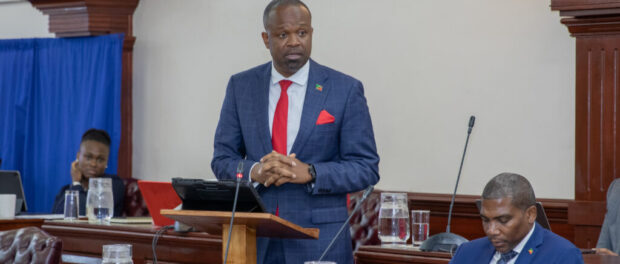
In a fiery and revealing presentation before the National Assembly on March 31, 2026, Minister responsible for water, Konris Maynard, pulled back the curtain on what he described as a culture of complacency that is crippling the nation’s ability to sustain and expand its water system.
“$20 TODAY… $20,000 TOMORROW”: THE DANGEROUS MINDSET
Minister Maynard did not mince words.
“People say, ‘Oh water is cheap. That’s $20, I will pay it later.’”
That casual attitude, he warned, has snowballed into a national liability—millions in arrears quietly piling up while critical infrastructure struggles to keep pace.
The irony?
St. Kitts and Nevis boasts some of the lowest water rates in the region, yet collection remains alarmingly weak.
The result is a dangerous paradox:
Cheap water
Expensive neglect
A SYSTEM UNDER PRESSURE—AND A GOVERNMENT UNDER SCRUTINY
While consumers are being called out, the government is simultaneously defending its aggressive spending push to fix a long-troubled water system.
Since 2022, millions have reportedly been poured into:
- Two desalination plants
- A new well in Cayon
- Expanded water storage capacity
- Replacement of aging underground pipelines
- Ongoing exploratory drilling in Saddlers
The stated goal?
Restore reliable 24/7 water supply across the Federation.
But here’s the uncomfortable truth:
Infrastructure costs money—and unpaid bills are choking the system meant to sustain it.
PAY OR GET CUT OFF: THE 90-DAY WARNING
The government is now tightening the screws.
Accounts in arrears beyond 90 days face service disconnection, a move that could impact hundreds—if not thousands—of households if the trend continues.
Yet, in a bid to soften the blow, authorities are offering what they describe as an “empathetic approach.”
“If you have challenges, present yourselves… a payment schedule will be developed,” Maynard assured.
Even partial payments can keep accounts active—but silence and inaction will not.
EMPATHY OR ENABLING? A NATION DIVIDED
The Water Services Department’s flexible payment plans are being framed as compassionate governance.
But critics are already asking tough questions:
- Has leniency fueled the very culture of non-payment now spiraling out of control?
- Is enforcement too weak to drive accountability?
- Are responsible, paying citizens being forced to subsidize chronic defaulters?
This is no longer just a billing issue.
It is a national discipline problem with economic consequences.
THE BIGGER PICTURE: WATER, WASTE, AND ACCOUNTABILITY
At its core, this crisis exposes a deeper tension in Saint Kitts and Nevis:
A government investing heavily to modernize essential services…
versus a segment of the population failing to meet even minimal financial obligations.
The numbers are damning.
$28 million owed is not just a statistic—it is:
- Delayed upgrades
- Strained operations
- Slower progress toward water security
BOTTOM LINE: NO MONEY, NO WATER
The message from the government is now unmistakable:
Water may be cheap—but running a water system is not.
And if the bills aren’t paid, the system cannot survive.
Whether this moment sparks a national reset—or deepens public frustration—remains to be seen.
But one thing is certain:
The era of “I’ll pay it later” is colliding with reality.

















Leave a comment
You must be logged in to post a comment.