CARICOM 50: Caracas Roars Back: Venezuela’s Scathing Rebuke of Persad-Bissessar Shakes Caribbean Unity
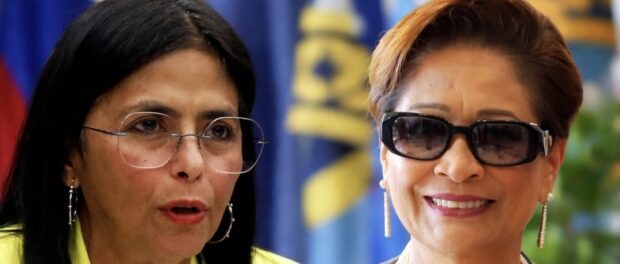
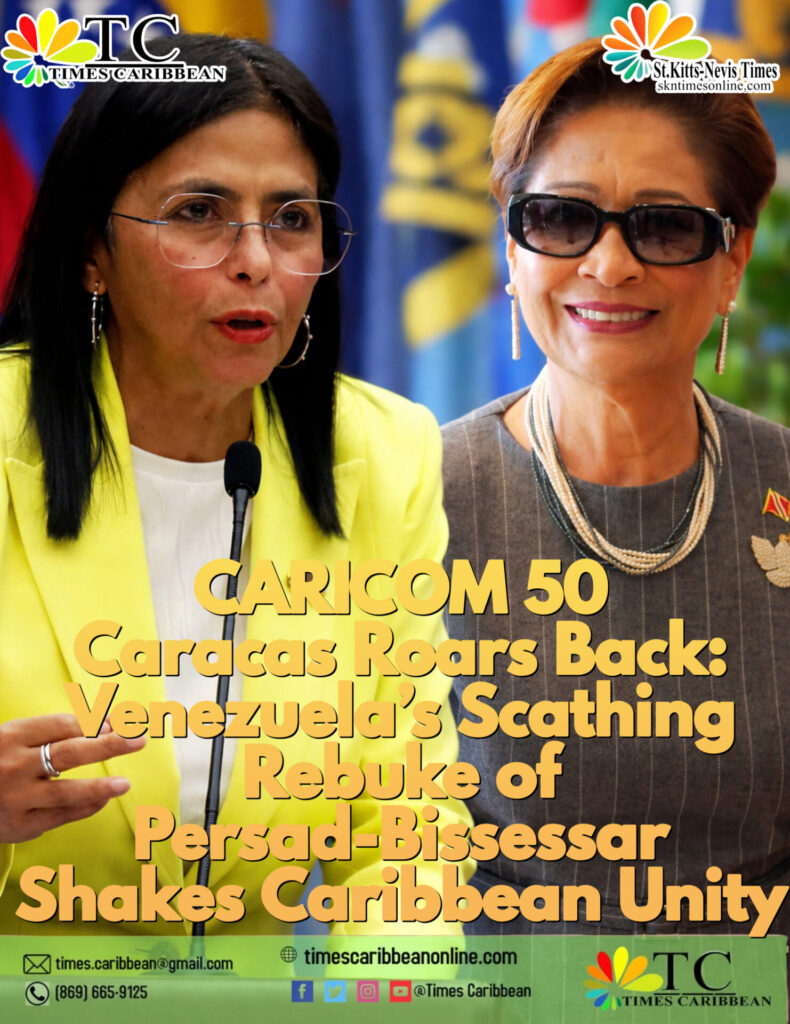
In perhaps the most dramatic diplomatic rupture to shadow the 50th Meeting of Heads of Government of the Caribbean Community (CARICOM) in Basseterre, Venezuela has delivered a blistering diplomatic rebuke of Prime Minister Kamla Persad-Bissessar of Trinidad and Tobago for statements she made that Caracas says undermine the very ethos of Caribbean integration. This unprecedented diplomatic salvo underscores tectonic tensions within CARICOM as geopolitics, hemispheric alliances, and national security strategies collide at the heart of one of the Caribbean’s most important summits. �
Facebook +1
A Bold Diplomatic Strike from Caracas
In an official communiqué dated 25 February 2026, issued from Caracas, Venezuelan authorities publicly and unequivocally “firmly reject” Persad-Bissessar’s remarks — a rare rebuke that marks a significant escalation in bilateral tensions. The statement accused the Trinidadian leader of straying from the “integrationist spirit” that has been the bedrock of CARICOM since its founding 53 years ago in Trinidad and Tobago. Caracas also charged that Persad-Bissessar’s comments directly contradict long-standing principles of unity, cooperation, and good neighbourliness that the regional bloc has traditionally championed. �
Facebook
According to the communiqué, other heads of government at the summit reaffirmed their commitment to those shared regional values during the opening session — a pointed rebuke to the Trinidad and Tobago prime minister’s approach. Venezuelan officials also described what they termed her “rhetorical obsession” with Venezuela as misaligned with broader CARICOM consensus, suggesting that many sectors within Trinidad and Tobago itself have publicly distanced themselves from her stance. �
Facebook
Persad-Bissessar’s Summit Speech: A Firebrand Address
Persad-Bissessar’s address to CARICOM leaders sparked controversy by breaking with traditional regional unity on critically sensitive geopolitical issues. In stark terms, she criticised CARICOM’s “unreliability” in responding to threats against Trinidad and Tobago and Guyana emanating from the previous Venezuelan regime — including the former Maduro administration’s threats against CARICOM member states. She questioned how CARICOM could consider the region a “zone of peace” if it could not effectively defend its own members. �
Stabroek News
Her speech also marked an emphatic departure from conventional Caribbean insistence on sovereignty and non-alignment, as she underscored her government’s strengthened partnership with the United States and its military presence in the region — crediting this cooperation with a dramatic reduction in violent crime in Trinidad and Tobago and discounting CARICOM’s collective security stance. �
Stabroek News
Fault Lines Within CARICOM: Security, Sovereignty, and External Partnerships
The essence of the dispute goes beyond rhetoric — it taps into profound questions about the future direction of CARICOM’s foreign and security policy. Historically, the Community has championed collective responses to external aggression, a diplomatic zone of peace, and autonomy in foreign policy. Persad-Bissessar’s remarks, which prioritized bilateral security cooperation with the United States and openly challenged CARICOM’s collective posture, have ignited intense debate within the regional bloc. �
Facebook
For Caracas, this represents not just a disagreement with one nation’s foreign policy — but a fundamental betrayal of the principles of Caribbean solidarity. Venezuela’s communiqué warned that Persad-Bissessar’s approach could strain bilateral relations, potentially risking economic and strategic ties forged over decades of cooperation. Yet it also reaffirmed Caracas’s commitment to what it called the “Bolivarian diplomacy of peace”, pledging continued engagement with CARICOM states in accordance with international law and mutual respect. �
Facebook
Regional Context: A Caribbean at Crossroads
This diplomatic storm erupts against the backdrop of a Caribbean grappling with mounting security challenges, shifting geopolitical alliances, and external powers’ growing influence. U.S. Secretary of State Marco Rubio has been actively engaging Caribbean leaders on regional security issues, defending U.S. intervention and pledging closer cooperation — rhetoric that many CARICOM states find unsettling even as some leaders applaud practical security gains. �
The Middletown Press
Moreover, while CARICOM chair Dr Terrance Drew has urged a humanitarian approach to regional issues such as the crisis in Cuba, striking differences among member states on how best to navigate security, migration, and economic development are on full display. �
Stabroek News
Conclusion: A Summit That Redraws Caribbean Diplomatic Lines
Venezuela’s public rebuke of Persad-Bissessar at the CARICOM 50 summit is far more than diplomatic theatre — it is a signal that the Caribbean Community is at a geopolitical inflection point. As regional leaders grapple with competing visions of sovereignty, security, and strategic alignment, the unity that once defined the Caribbean project may well be tested as never before. Whether this moment will fracture consensus or catalyse a renewed commitment to collective problem-solving remains the defining question emerging from Basseterre. �
Facebook
For Times Caribbean, I.A.N News — reporting from Basseterre, Saint Kitts and Nevis.
















Leave a comment
You must be logged in to post a comment.