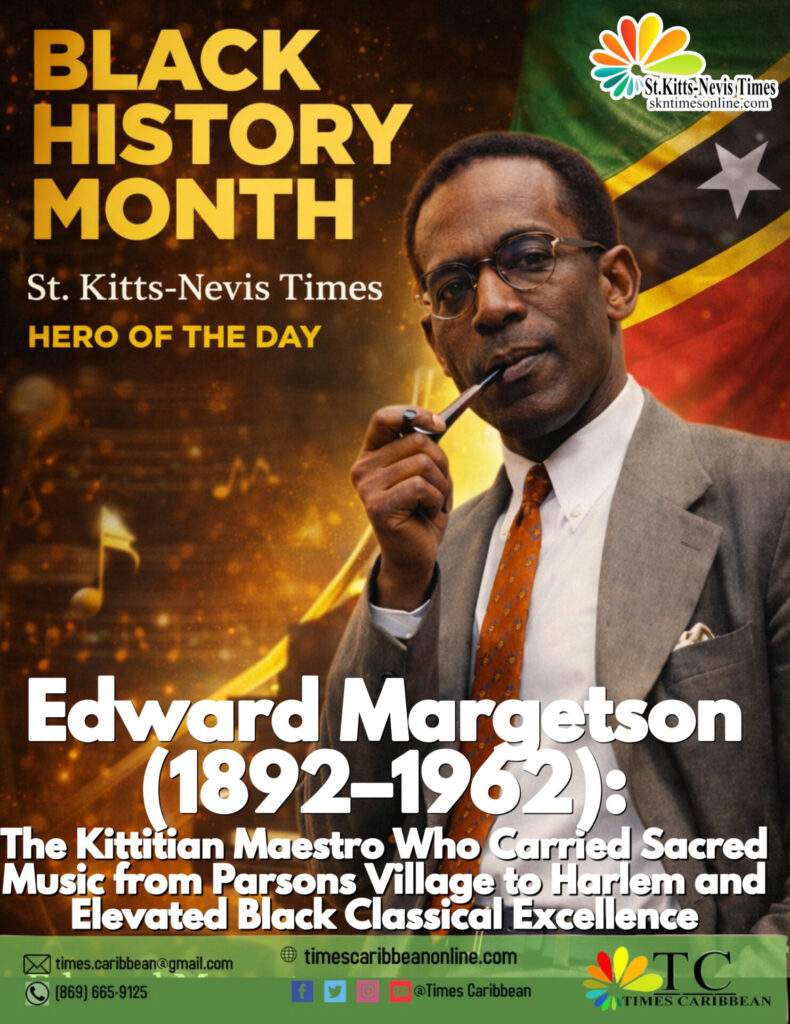
Edward Margetson (1892–1962): The Kittitian Maestro Who Carried Sacred Music from Parsons Village to Harlem and Elevated Black Classical Excellence
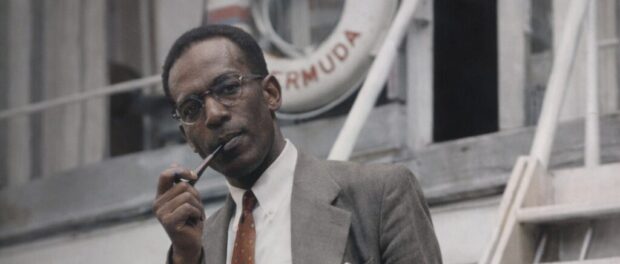
SKN TIMES BLACK HISTORY MONTH HERO OF THE DAY
Basseterre, St. Kitts & Nevis — In the grand tapestry of Kittitian excellence, few names resonate with the quiet majesty and international distinction of Edward “Teddy” Margetson — composer, organist, choral director, cultural architect, and one of the most refined musical minds ever produced by the Federation.
Born on 31st December 1892 in Parsons Village, Margetson inherited music not merely as a skill but as destiny. His father, Henry Francis Margetson, was a respected choral director. His mother, Marie Thomas Margetson, was celebrated as one of the finest pianists of her era. Music brought them together — and through their son, music would carry their legacy far beyond the shores of St. Kitts.
At just five years old, with feet barely reaching the pedals, young Edward stunned listeners by playing funeral hymns following his mother’s death. Many believed it was his father at the keys. It was the first public glimpse of a prodigy.
From Basseterre’s Churches to Cultural Leadership
Educated at the St. Kitts-Nevis Grammar School, Margetson sharpened his musical instincts under the encouragement of his grandmother. By age fourteen, he had already assumed the prestigious role of organist at St. George’s Anglican Church in Basseterre. Soon after, he became organist and choir director at the Moravian Church, guiding its choir and leading its brass band — the only brass ensemble on the island at the time.
When the First World War erupted, that Moravian band marched through the streets of Basseterre rallying support for Britain. The baton was in the hands of Edward Margetson — a symbol of youthful discipline and national pride.
Yet despite his obvious talent, financial realities intervened. The loss of the family fortune made a musical career uncertain. In 1910, Margetson entered the civil service as a junior clerk in the Treasury, later serving as Revenue Officer, Tariff Clerk, and Cashier. Even in bureaucratic halls, music remained his sanctuary.
The Harlem Renaissance Connection
In 1919, Margetson made the life-altering decision to migrate to the United States. Harlem was emerging as the epicenter of Black intellectual and artistic expression. It was there that Edward Margetson would carve out his greatest legacy.
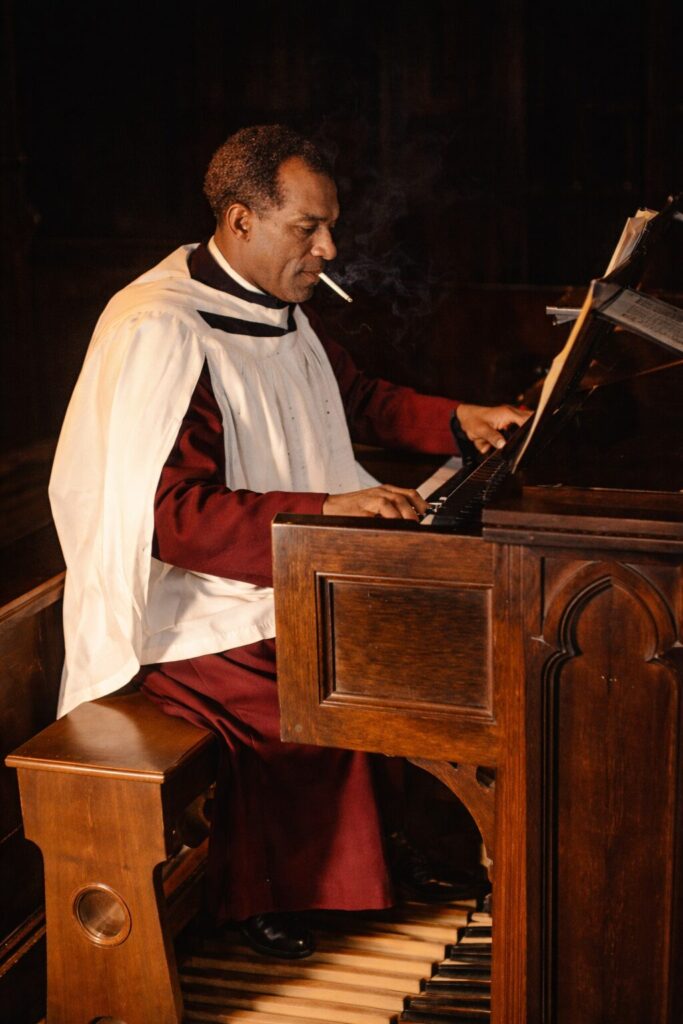
He became Organist and Minister of Music at the Church of the Crucifixion in New York, a position he held until retirement. He studied at Columbia University between 1921 and 1926, where his compositions were featured in annual concerts — an extraordinary achievement for a Caribbean-born Black composer during a time of deep racial exclusion in American classical circles.
In 1927, alongside his sister Marie, he founded the Schubert Society — an organization dedicated to elevating sacred and classical music among African-American communities. The name was deliberate. Franz Schubert symbolized music created for joy, not profit.
The impact was historic.
According to the New York Amsterdam News (June 27, 1992), the Society helped open doors for Black classical musicians who had been barred from mainstream orchestras. In effect, Margetson created a parallel space of excellence that quietly undermined segregation.
Awards, Recognition & Artistic Brilliance
The accolades followed:
- Victor Baier Fellowship in Church Music (1925)
- William Harmon Foundation Medal (1927)
- Joseph Mozenthal Fellowship in Composition (1934)
- American Academy of Arts and Letters Grant (1943)
- Recognition from the Rosenwald Foundation of Chicago
His 1938 performance of Bach’s “The Passion According to Matthew” was reportedly the first time the complex masterpiece was attempted in New York City by a Black-led ensemble.
Dr. Daniel Mason, head of Columbia University’s Music Department, wrote in The Herald Tribune (May 3, 1943):
“There is in Margetson’s best work a directness, a wholeheartedness, and therefore a persuasive power that is rare nowadays.”
Mason further noted that Margetson had been working quietly in Harlem for nearly a quarter of a century, contributing “far deeper than many showier ones” to both American musical art and social democracy.
This was not mere praise. It was recognition of a Caribbean man reshaping Black cultural dignity through sacred music.
The Patriot Abroad
Though rooted in Harlem, Margetson’s heart never left St. Kitts.
He returned briefly in 1923, contributed to the local press on cricket, helped organize the Progressive Cricket Club, and remained active in intellectual circles such as the Mutual Improvement Society.
In 1948, during the tense Thirteen Week Strike in St. Kitts, mediator Rufus King visited Margetson in New York. The composer expressed deep concern about unrest at home and urged peace and justice. Even abroad, he remained spiritually tethered to the struggles of his people.
A Quiet Giant
Edward Margetson was never flamboyant. He did not seek celebrity. His power was persuasive, not loud. His artistry was sacred, not commercial.
Failing health forced him to retire in 1960. On January 22, 1962, he passed away, leaving behind a body of choral compositions and an institutional legacy that helped redefine Black classical expression in America.
Why Edward Margetson Matters Today
In a world that often celebrates spectacle over substance, Margetson represents a different model of greatness:
- Intellectual refinement without arrogance
- Cultural pride without militancy
- Excellence without applause-seeking
He bridged Parsons Village and Harlem. He elevated sacred music. He expanded the space for Black classical musicians when doors were firmly shut.
He was proof that Caribbean brilliance could reshape global cultural landscapes — quietly, profoundly, permanently.
Edward Margetson was not simply a musician.
He was a cultural diplomat of sound.
A guardian of sacred excellence.
A Kittitian architect of Black artistic dignity.
And for that, during this Black History Month,
SKN Times proudly honours Edward Margetson — Hero of the Day.
















Leave a comment
You must be logged in to post a comment.